




What is a Terracotta Clay Wash?
Unlike standard latex or acrylic paints, a clay wash is a natural, mineral-based finish. It's essentially a very thin plaster made from clay, aggregates, and natural pigments. Terracotta, with its signature reddish-brown hue derived from iron oxide-rich
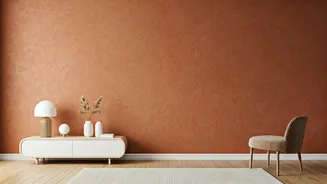
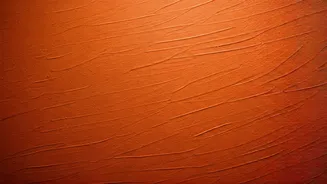
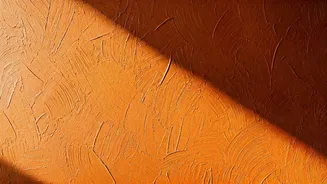
clay, evokes a connection to the earth that is both ancient and incredibly modern. These washes are non-toxic, breathable (allowing moisture to escape from the walls, which is great for humid climates), and free of the volatile organic compounds (VOCs) found in many conventional paints. The finish isn't uniform; its beauty lies in its subtle variations in colour and texture, creating a soft, suede-like or limewashed appearance with incredible depth.
The Appeal of an Earthy Finish
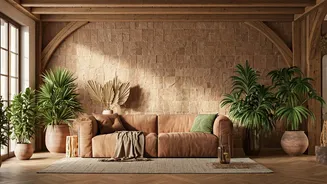
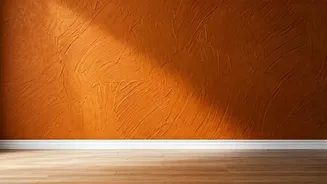
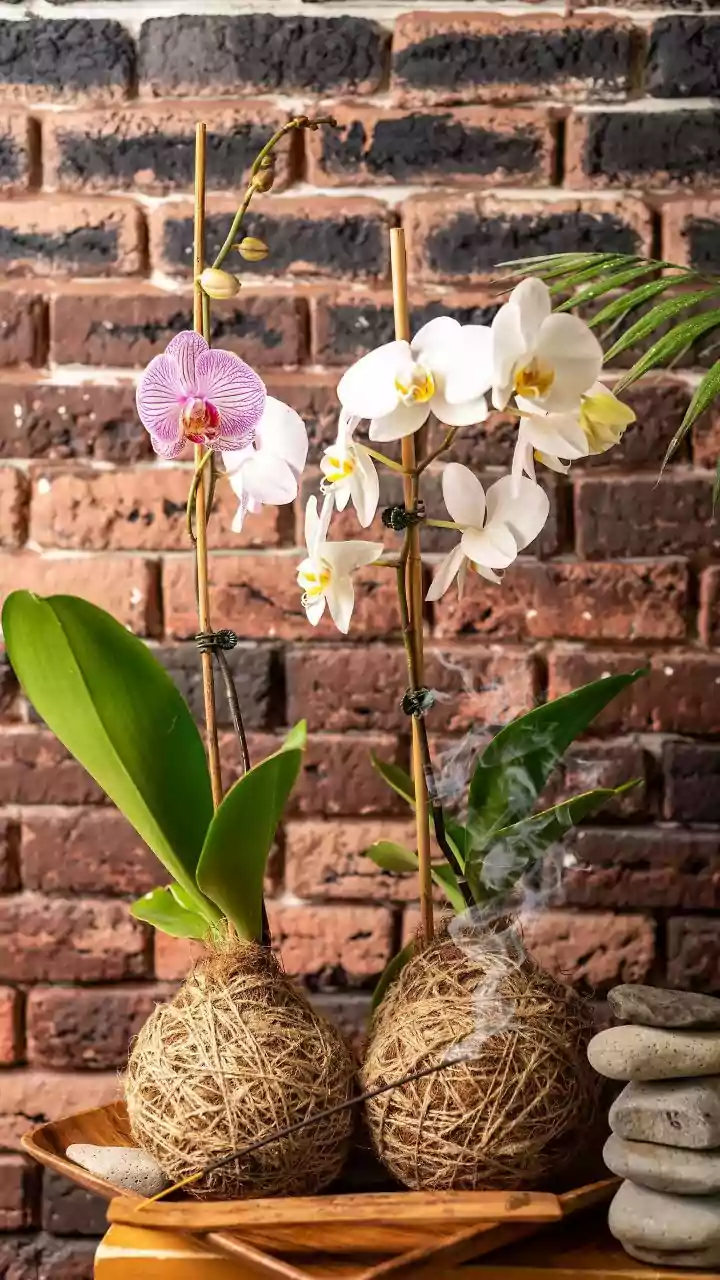
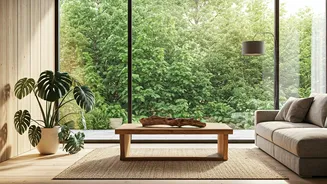
An earthy accent wall does more than just add colour; it transforms the atmosphere of a space. The textured surface plays with light throughout the day, creating shifting shadows and highlights that make the room feel alive. This connection to natural materials and colours is at the heart of biophilic design, a concept that links our indoor environments to nature to improve well-being. In India, the use of terracotta and earth tones is deeply ingrained in our aesthetic heritage, from rustic pottery to the walls of traditional homes. A clay-washed wall feels authentic, grounding, and calming. It’s a perfect backdrop for minimalist decor, bohemian styles, or even contemporary settings needing a touch of organic warmth.
Gathering Your Tools and Materials
Before you begin, gather everything you need to ensure a smooth process. You will need: the terracotta clay wash (available as a pre-mixed paste or a powder to be mixed with water), a large mixing bucket, a drill with a paddle mixer attachment (or a sturdy stick for manual mixing), a wide, high-quality brush (a block brush or whitewash brush works well), smaller brushes for cutting in at edges, painter's tape, drop cloths or plastic sheeting to protect your floors and furniture, a primer suitable for your wall type, and fine-grit sandpaper. Some kits may also recommend a specific sealer for high-traffic areas, so check the manufacturer’s instructions.
Preparing Your Wall Surface
Proper preparation is the key to a professional-looking finish. Start by clearing the area and covering your floor and any nearby furniture with drop cloths. Use painter's tape to protect your skirting boards, ceiling line, and any adjoining walls. The wall itself must be clean, dry, and smooth. Wipe it down to remove dust and grime. Fill any cracks or holes with putty and sand them smooth once dry. Most importantly, apply a coat of appropriate primer. A primer ensures the clay wash adheres properly and prevents the wall from absorbing the moisture too quickly, giving you more time to work and create your desired texture.
The Art of Application
This is where the creativity begins. If you are using a powder, mix it with water according to the package directions until it reaches a thin, pancake-batter consistency. Let it sit for the recommended time to allow the clay to fully hydrate. Start by using a small brush to 'cut in' around the edges. Then, using your large block brush, begin applying the wash to the main wall. Don't paint in straight, uniform lines like you would with regular paint. The goal is texture. Use short, random, overlapping strokes. Criss-cross patterns, arcs, and sweeping motions all work well. Embrace the imperfections; they contribute to the final organic look. Work in small, manageable sections to maintain a wet edge.
Building Depth with a Second Coat
Allow the first coat to dry completely, which can take several hours depending on humidity. It will likely look lighter and more translucent than you expected, but don't worry. The second coat is what builds the depth and richness of the colour. Apply the second coat using the same random, textured brushstroke technique. You can vary the pressure and direction of your strokes to enhance the texture. As you work, you will see the beautiful, subtle variations in tone appear as some areas absorb more wash than others. This layered, imperfect application is precisely what gives the wall its stunning, handcrafted character.