




The End of the Untouchable Sofa
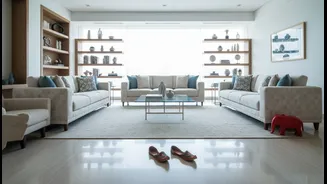
For decades, many Indian homes featured a formal drawing-room. It was a pristine space, often with plastic-covered sofas and decor that was to be looked at but rarely used. This room was a status symbol, designed to impress visitors. Today, however, there's
a collective move away from this concept. Homeowners are reclaiming these 'museum spaces' and transforming them into functional, lived-in areas that serve the family's needs every day, not just on special occasions. The shift reflects a change in how we see our homes: less as a backdrop for social performance and more as a sanctuary for personal well-being. This has led to the decline of rigid, formal furniture in favour of softer, more inviting forms that encourage lounging and relaxation.
Why Comfort Became King
Several factors are driving this comfort-first revolution. The global pandemic was a significant catalyst, forcing millions to spend unprecedented time indoors. Homes had to suddenly function as offices, schools, gyms, and retreats, leading to a profound reassessment of what makes a space truly liveable. Hard, glossy surfaces felt cold and impersonal during extended stays, while the need for dedicated, functional areas like home offices became a necessity. Beyond the pandemic, there's a growing focus on mental and emotional well-being. Homeowners now seek to create calming environments that reduce stress, with designers focusing on human-centric principles that cater to our innate need for softness and safety.
The Look and Feel of Lived-In Luxury
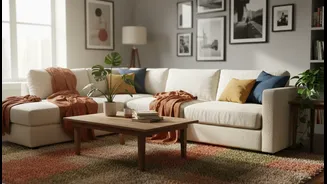
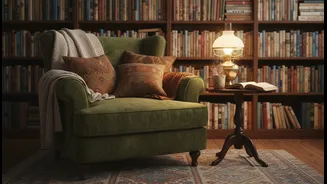
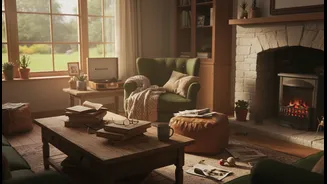
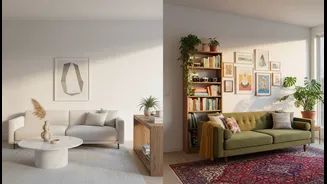
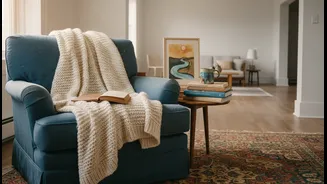
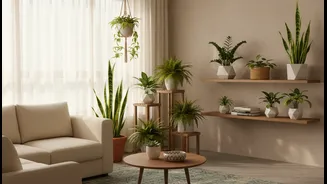
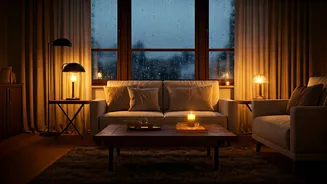
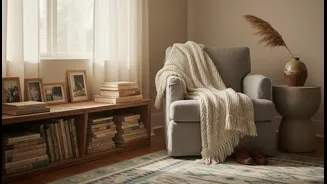
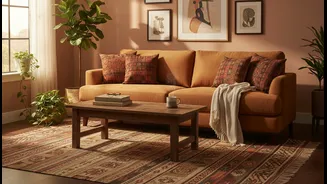
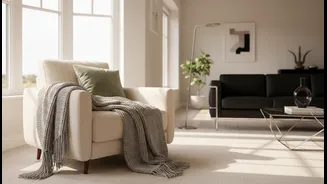
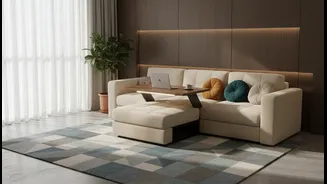
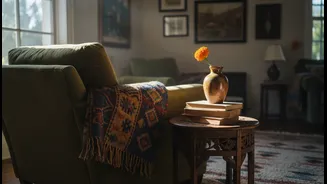
So, what does a comfort-first Indian home look like? It's less about a single style and more about a feeling. Think warm minimalism, which swaps cold, empty rooms for soft neutral palettes, natural textures, and clean layouts. Materials play a huge role, with a preference for natural and tactile surfaces like wood, stone, jute, cotton, and linen that feel good to the touch and add visual warmth. Furniture is changing shape, too. Sharp, straight lines are giving way to gentle curves and organic forms—from arched doorways to rounded sofas—that feel more welcoming and natural. Lighting is layered to create ambience, moving beyond a single ceiling light to include statement pendants and warm LEDs that provide emotional comfort. It's about creating spaces that are deeply personal, reflecting the owner's story through collected art and handcrafted decor.
A Return to Slower, More Mindful Living
This trend is also a reaction against the fast-paced, algorithm-driven world of social media, which often promotes homogenous, 'Instagram-perfect' interiors. There's a growing desire for authenticity and a move toward what is being called 'slow interiors'. This philosophy champions building a home gradually, with fewer but better pieces that are expected to last. It values quality craftsmanship and sustainability over fleeting trends, encouraging homeowners to invest in items that hold personal meaning. This approach is not entirely new; it echoes a time when furniture was saved up for and rooms evolved slowly over years, gathering warmth and coherence. It's a return to creating homes that feel honest and are allowed to be imperfectly beautiful.