






What is El Niño and Why is 2026 Different?
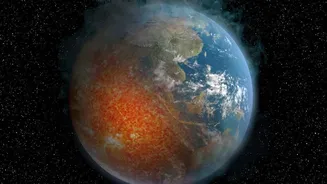
El Niño is a natural climate pattern marked by the warming of sea surface temperatures in the central and eastern Pacific Ocean. This event, which occurs every two to seven years, disrupts global weather, influencing rainfall and temperature far from
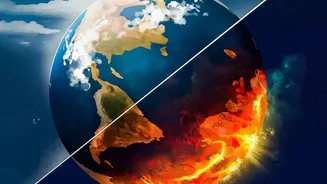
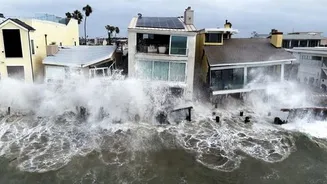
its origin. The World Meteorological Organization (WMO) has confirmed the 2026 event is firmly established and strengthening, with forecasts indicating it could be one of the strongest since 1950. Sea surface temperatures in key parts of the Pacific are expected to be significantly above normal, releasing a massive amount of heat into the atmosphere and amplifying weather extremes worldwide. Climate change may also be making these events stronger than in the past, loading them with more heat to release.
The Domino Effect on India's Weather
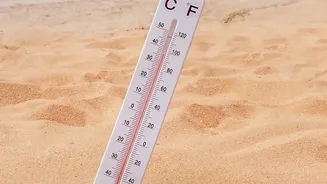
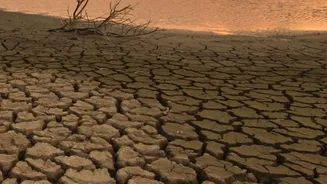
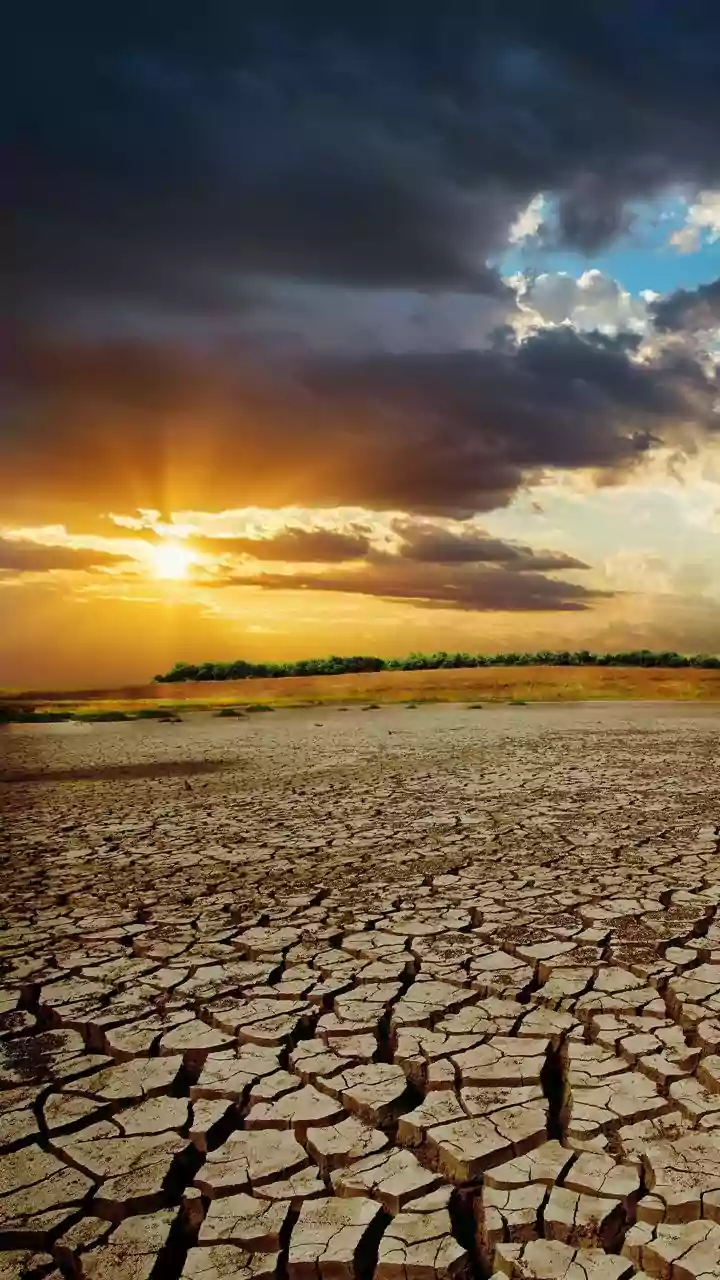
For India, a strong El Niño historically brings warmer temperatures and drier conditions. The phenomenon tends to weaken the southwest monsoon, which is vital for agriculture and replenishing water reservoirs. The 2026 event is expected to follow this pattern, leading to below-normal rainfall and an increased risk of drought, particularly in the country's central and northwestern regions. This combination of reduced rainfall and higher-than-average temperatures creates a dangerous recipe for more frequent, longer, and more intense heatwaves across the subcontinent. The World Health Organization (WHO) has already identified India as a country facing 'high or very high' public health risks due to these expected climate disruptions.
Understanding Heat Exhaustion vs. Heatstroke
It is crucial to recognise the signs of heat-related illnesses. Heat exhaustion occurs when the body loses too much water and salt, typically through heavy sweating. Symptoms include fatigue, dizziness, headache, nausea, heavy sweating, and cool, clammy skin. If you suspect heat exhaustion, move the person to a cooler place, loosen their clothing, and have them sip water.Heatstroke is a far more serious, life-threatening condition where the body's temperature regulation system fails, causing the core temperature to rise rapidly. Signs include a high body temperature (over 40°C), hot and dry skin (or sometimes heavy sweating), rapid pulse, confusion, slurred speech, and potential loss of consciousness. Heatstroke is a medical emergency that requires immediate action, including calling for an ambulance and trying to cool the person down with cold water or ice packs while waiting for help.
Who Is Most at Risk?
While extreme heat can affect anyone, some groups are more vulnerable. The elderly and infants are less able to regulate their body temperature. Outdoor workers, such as construction and agricultural labourers, face prolonged exposure during the hottest parts of the day. People living in urban informal settlements or 'bastis' are also at high risk, as homes with materials like tin roofs can become 'heat traps'. Additionally, individuals with chronic health conditions, including heart disease, respiratory illnesses, and diabetes, are more susceptible to the effects of heat. The WHO has flagged these vulnerabilities as a major concern for India ahead of the anticipated heatwaves.
Practical Steps to Stay Safe This Season
Preparedness is key to navigating the risks. The Ministry of Health advises staying hydrated by drinking plenty of water, even if you don't feel thirsty, and consuming homemade drinks like lemon water or ORS. Avoid strenuous activity outdoors during peak heat hours, typically between noon and 3 p.m. When you do go out, wear lightweight, loose-fitting, and light-coloured cotton clothing and cover your head. At home, keep your living space cool by closing curtains during the day and opening windows at night. Never leave children or pets in a parked vehicle. Authorities across states are activating Heat Action Plans, which include ensuring hospitals are prepared and making clean drinking water and ORS available in public places.