





The New AI-Powered Study Kit
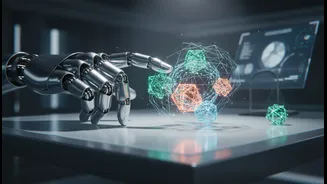
Forget simply highlighting textbooks. The modern student’s exam preparation now includes a suite of AI-powered tools designed to streamline learning. Apps and platforms like NotebookLM, Mindgrasp, and StudyX can instantly summarize lengthy lecture notes,
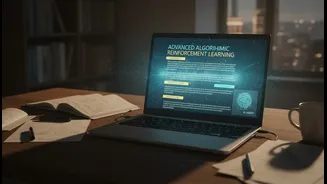
transform dense PDF textbooks into easy-to-digest key points, and automatically generate digital flashcards. Students can upload all their course materials—from lecture slides to research papers—and ask an AI to create a comprehensive study guide, identifying themes and connections they might have missed. This shift allows students to spend less time on the grunt work of organizing information and more time engaging with it.
A Personal Tutor in Your Pocket
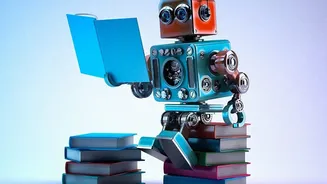
Perhaps the most significant change is the rise of AI as a personalized, 24/7 tutor. If a student is struggling with a complex concept, they no longer have to wait for a professor’s office hours. They can ask an AI chatbot like ChatGPT or Claude to explain the idea in simpler terms, provide analogies, or even generate practice problems and quizzes to test their understanding. These tools can adapt to a student's learning pace, offering instant feedback and targeted support that was previously only available through one-on-one human tutoring. This individualised approach helps to fill knowledge gaps and build confidence before walking into an exam hall.
The Academic Integrity Tightrope
With great power comes great temptation. The same AI that can create a study guide can also write an entire essay or provide answers during an online quiz, raising major concerns about academic dishonesty. Universities are now grappling with how to draw the line between using AI as a legitimate study aid and using it to cheat. Over-reliance on these tools can also lead to a superficial understanding of topics, as students may accept AI-generated answers without questioning their accuracy or logic. This has sparked a campus-wide debate about what constitutes learning and whether students are outsourcing the critical thinking process itself.
How Campuses Are Responding
In response, universities are racing to update their academic integrity policies. Many are adopting a nuanced approach rather than an outright ban. Some professors are using a traffic-light system: 'Green' for assignments where AI use is encouraged, 'Yellow' for limited and cited use, and 'Red' for exams and major papers where it is strictly forbidden. Syllabi are now often required to include explicit rules on acceptable AI use. At the same time, institutions are investing in AI detection software like Turnitin's to identify work that has been generated by machines. This has created a new cat-and-mouse game, pushing educators to design assessments that are more 'AI-proof'—focusing on in-class discussion, presentations, and applied problem-solving rather than rote memorization.
Rethinking the Future of Learning
Ultimately, the integration of AI into exam prep is forcing a broader conversation about the purpose of education. While some studies suggest AI can have a positive effect on learning outcomes, others warn that it could erode essential skills if not used carefully. The challenge for both students and educators is to treat AI not as a shortcut to an answer, but as a tool to enhance understanding. This might mean using AI to brainstorm ideas before writing, to verify one's thinking, or to explore a topic more deeply. The goal is to move from a model where students simply consume and repeat information to one where they actively engage with it, using AI to augment, not replace, their own intellect.