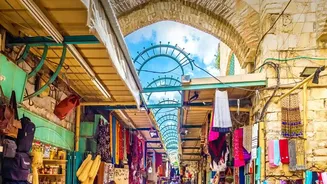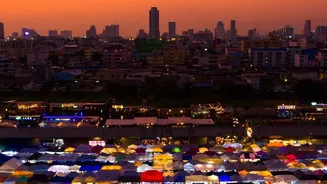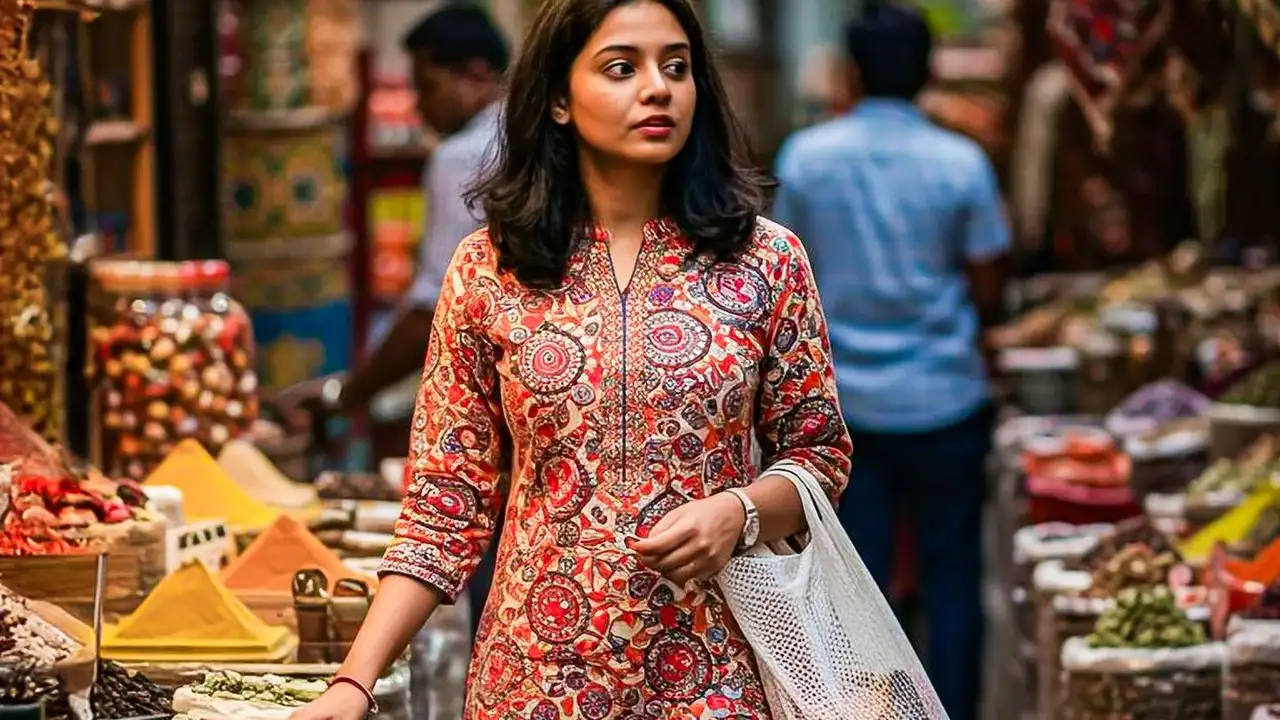





In an era defined by quick commerce and digital storefronts, a fascinating trend is taking hold in India’s cities. The same generation that grew up on smartphones is increasingly seeking out the chaotic, vibrant, and very traditional local bazaar.
The Search for Authenticity
For
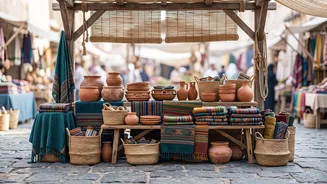
many young shoppers, malls and online platforms offer a predictable, homogenous experience. Local bazaars, in contrast, are treasure troves of unique items that tell a story. Here, one can find everything from handcrafted textiles and terracotta pottery to regional spices and artisanal snacks that are not available in mainstream retail. This preference for homegrown and small-business brands is a significant trend, with studies showing that more than half of Indian consumers now prefer them. The appeal lies in authenticity and the feeling of a personal connection to the product and its creator, something that mass-produced goods often lack.
An Experience, Not Just a Transaction
Shopping in a bazaar is a rich sensory experience that an app cannot replicate. It's an outing filled with the lively sounds of vendors, the animated chatter of shoppers, and the aromatic smells of street food and fresh produce. This environment turns a routine shopping trip into a social and cultural activity. It’s a place for spontaneous discovery, where you might stumble upon a vintage decor piece, a unique piece of jewellery, or a local artisan whose family has been perfecting their craft for generations. This interactive and unstructured experience is a major draw for a generation seeking connection and memorable moments.
The Value Proposition
While experience is important, economics plays a crucial role. Bazaars offer competitive pricing, largely because they cut out the middleman, with farmers and artisans often selling their goods directly to consumers. This direct supply chain not only ensures freshness but also affordability. Furthermore, the culture of bargaining is an integral part of the bazaar experience, offering a sense of satisfaction and smart shopping that fixed-price retail does not. While Gen Z is known for being digitally savvy, they are also value-conscious, prioritising affordability alongside trends. Local markets deliver on this front, providing quality products without the premium price tag of malls or some online stores.
A Sustainable Choice
A growing environmental consciousness among younger demographics is also driving them toward local markets. Shopping at a bazaar often means less plastic packaging, a smaller carbon footprint due to a shorter supply chain, and direct support for local economies and small-scale producers. Many young consumers actively seek out eco friendly products and ethical brands. In this context, the local market is seen as a more sustainable alternative to mass market retail, aligning with a value system that prioritises community and environmental responsibility. This trend reflects a broader shift where brand choices are increasingly seen as a form of self expression and a reflection of personal values.