



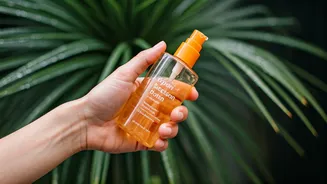




The Great Monsoon Myth: 'No Sun, No Sunscreen'
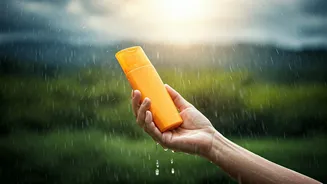
It’s a common and understandable mistake: if you can’t see the sun, you don’t need sun protection. However, clouds are not a perfect shield. According to dermatologists and scientific studies, up to 80% of the sun's ultraviolet (UV) rays can penetrate
through cloud cover. [2, 4, 11, 23, 26] This means that on an overcast, rainy day, your skin is still being exposed to radiation that causes long-term damage. The cool breeze and lack of direct heat can create a false sense of security, leading many to unknowingly accumulate UV damage throughout the monsoon season. [4, 8] In fact, under certain conditions with scattered clouds, the reflection and scattering of rays can even increase UV exposure. [2, 9]
Understanding the Invisible Threat: UVA vs. UVB
To understand why monsoon sun care is crucial, it's important to know about the two main types of UV rays that reach us. UVB rays are what we typically associate with sunshine; they cause sunburn and are more intense in the summer. [20, 25] Clouds do block a good portion of UVB rays, which is why you're less likely to get a sunburn on a cloudy day. [23] However, UVA rays are a different story. They have a longer wavelength, allowing them to penetrate deep into the skin, through clouds, and even glass. [20, 23, 24] UVA rays are present with consistent intensity all day, year-round, and are responsible for premature ageing, like wrinkles and dark spots, while also contributing to the risk of skin cancer. [4, 20, 25] Up to 95% of the UV radiation reaching the earth is UVA, making it a persistent threat regardless of the weather. [14, 23, 25]
Why Humidity Makes Your Choice of SPF Crucial
Applying sunscreen in the sticky, humid conditions of the Indian monsoon can feel like a chore. The high moisture content in the air can make heavy, cream-based sunscreens feel greasy, leading to clogged pores and breakouts, especially for those with oily or acne-prone skin. [21] Humidity and sweat also mean that sunscreen can wear off more quickly, making the choice of formula and reapplication even more important. [4, 6] Furthermore, wet surfaces like puddles and roads can reflect UV rays, potentially increasing your overall exposure. [4, 6, 11] The challenge, therefore, is finding a product that provides adequate protection without feeling uncomfortable on the skin.
Choosing Your Monsoon Armour: The Right Formula
For the Indian monsoon, the texture and formulation of your sunscreen are just as important as the SPF number. Dermatologists recommend looking for specific features to ensure comfort and efficacy. Opt for lightweight, non-comedogenic (meaning it won't clog pores) formulas. [5, 15, 19] Gel-based, fluid, or ultra-light sunscreens are excellent choices as they absorb quickly without leaving a sticky or greasy residue. [5, 7, 10, 16] Look for products with a "matte finish" to help control shine in the humid weather. [10] A broad-spectrum sunscreen with an SPF of 30 to 50 is ideal, providing strong protection against both UVA and UVB rays. [5, 15] Finally, consider a water-resistant formula, which will hold up better against rain and sweat, but remember that reapplication is still key. [6, 10]
Application Tips for Maximum Protection
To get the most out of your sunscreen during the rainy season, a few application tweaks can make a big difference. Always apply sunscreen as the last step of your skincare routine, before any makeup. Makeup with SPF is generally not sufficient on its own for primary protection. [8] Apply a generous amount to all exposed skin at least 15-20 minutes before heading outdoors to allow it to form a protective layer. Remember to reapply every two to three hours if you're outdoors, and more frequently if you've been in the rain or have been sweating heavily. [6, 9] Don't forget often-missed spots like your ears, neck, and feet. And even if you're working from home, if you sit near a window, you're still exposed to those persistent UVA rays, making daily application a smart habit. [9, 24]