


Prioritise Paw Hygiene
Your pet's paws are on the frontline, constantly in contact with muddy, wet, and potentially contaminated surfaces. Puddles can harbour harmful bacteria and parasites, increasing the risk of infections. Make it a non-negotiable rule to wash and dry their
paws after every single walk. Use lukewarm water and a soft cloth to clean between the toes and pads, then dry the area completely to prevent fungal growth. For extra protection, consider trimming the fur between the paw pads to stop mud from caking there.
Master Monsoon Grooming
High humidity means your pet's coat takes much longer to dry, creating a breeding ground for fungal and bacterial skin infections. Never let your pet air-dry after getting wet. Use absorbent microfibre towels to pat them dry, paying special attention to the belly, underarms, and skin folds. For pets with thick coats, a blow dryer on a cool, low setting can be a lifesaver. While it's tempting to bathe them often, over-bathing can strip their skin of natural protective oils. Stick to a bath every two to three weeks with a mild, vet-approved anti-fungal shampoo. Daily brushing is crucial to remove dirt, prevent matting, and allow air to circulate through the coat.
Fortify Against Ticks & Fleas
The warm, damp conditions of the monsoon are a paradise for ticks and fleas, which see a population boom during this season. These parasites are not just an itchy nuisance; they can transmit serious illnesses like tick fever. Be vigilant with your pet's vet-prescribed preventive treatments, whether it's a spot-on application or an oral tablet. After every walk, perform a thorough check of their body, focusing on common hiding spots like behind the ears, under the collar, between the toes, and around the tail. Keeping their bedding clean and dry also helps control the parasite population indoors.
Mind Their Diet and Hydration
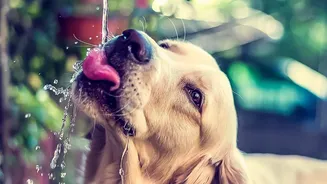
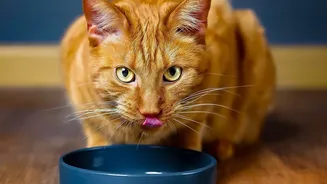
Digestive issues like gastroenteritis are common during the monsoon, often caused by contaminated food or water. Always provide fresh, clean drinking water, and consider using boiled or filtered water to be extra safe. Store dry kibble in airtight containers to prevent it from absorbing moisture and growing mould. Gut health can be compromised in this weather, so focus on light, easily digestible meals. Ensure their deworming schedule is up to date, as the risk of worm infections also increases.
Create a Safe & Dry Environment
Your pet’s immediate environment is key to their health. Ensure their bedding is kept clean, dry, and preferably raised off the floor. Wash their bedding and toys regularly to prevent bacterial and fungal growth. Since outdoor time might be limited, keep them engaged with indoor games and activities to prevent boredom and anxiety. During thunderstorms, create a secure and quiet space for your pet, as the loud noises can be stressful. Using raincoats for walks can also help minimise their exposure to rain and make the post-walk cleanup easier.