
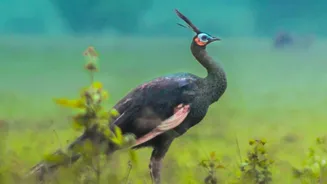

The Monsoon Advantage: Lush and Uncrowded
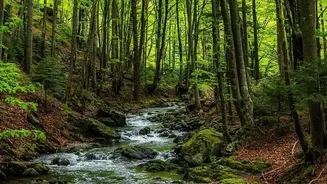
August transforms India’s wilderness. The monsoon rains breathe life into the forests, turning dusty trails into emerald corridors and filling water bodies to the brim. This rejuvenation of the landscape is a spectacle in itself. The air is clean, the dust has
settled, and the entire forest feels fresh and alive. For photographers, the soft, diffused light and dramatic skies create unparalleled opportunities for stunning shots. Beyond the beauty, the off-season timing means you’ll be sharing this paradise with far fewer tourists. This translates to a more intimate, serene, and personal safari experience, allowing you to connect with nature without the usual crowds and vehicle queues.
Where to Go: Parks Open in August
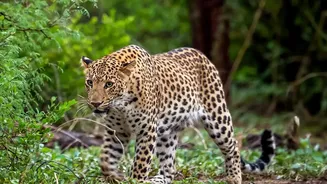
The key to a successful August safari is knowing where to go. While many core zones of major tiger reserves are closed, several parks and specific buffer zones remain open, offering fantastic wildlife viewing. In South India, Periyar National Park in Kerala is a prime monsoon destination that stays open year-round. Similarly, parks in Karnataka like Nagarhole (also known as Kabini) and Bandipur remain accessible, famous for their elephant herds and potential leopard sightings. In Central India, the buffer zones of Tadoba-Andhari and Pench in Maharashtra welcome visitors. In Rajasthan, select zones (6 to 10) of Ranthambore National Park remain open for safaris. For a different experience, Dachigam National Park in Jammu and Kashmir sees less rainfall and provides a chance to spot the rare Hangul, or Kashmir stag.
Unique Wildlife Behaviour and Sightings
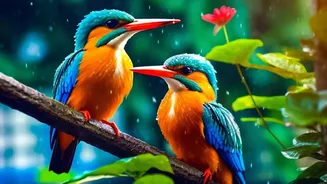
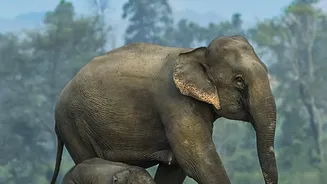
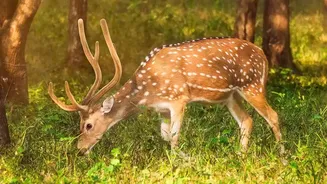
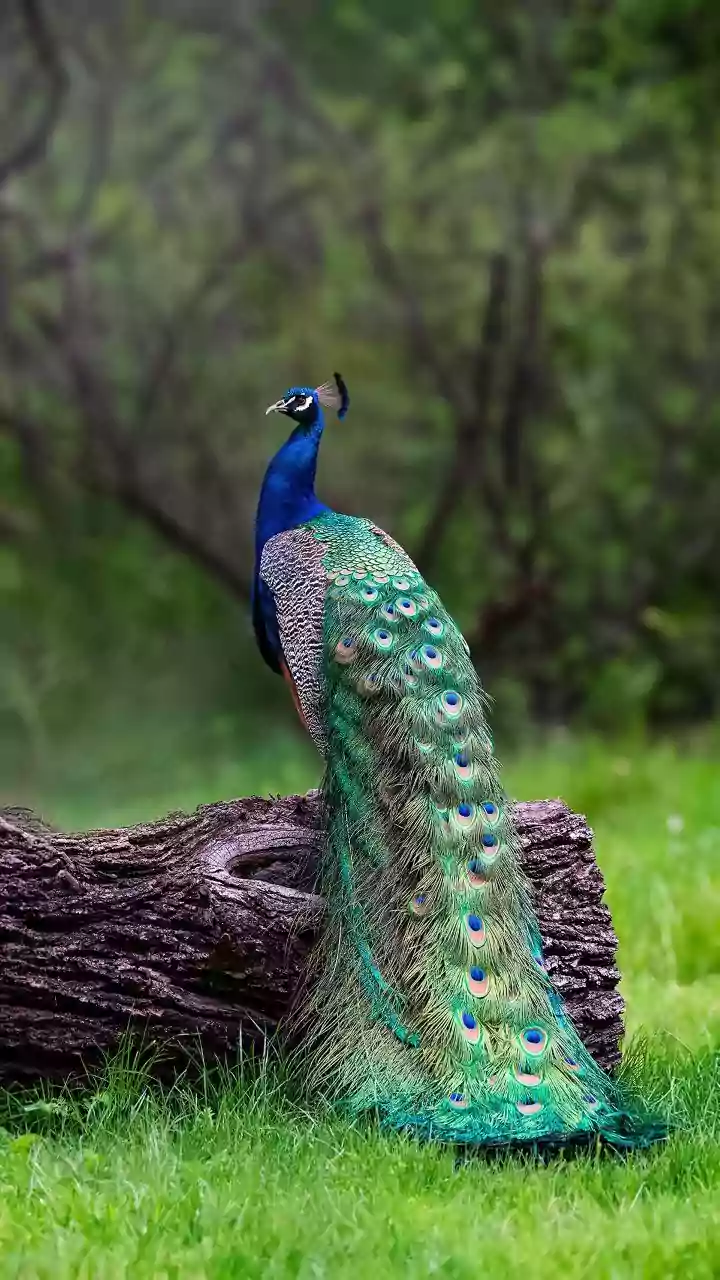
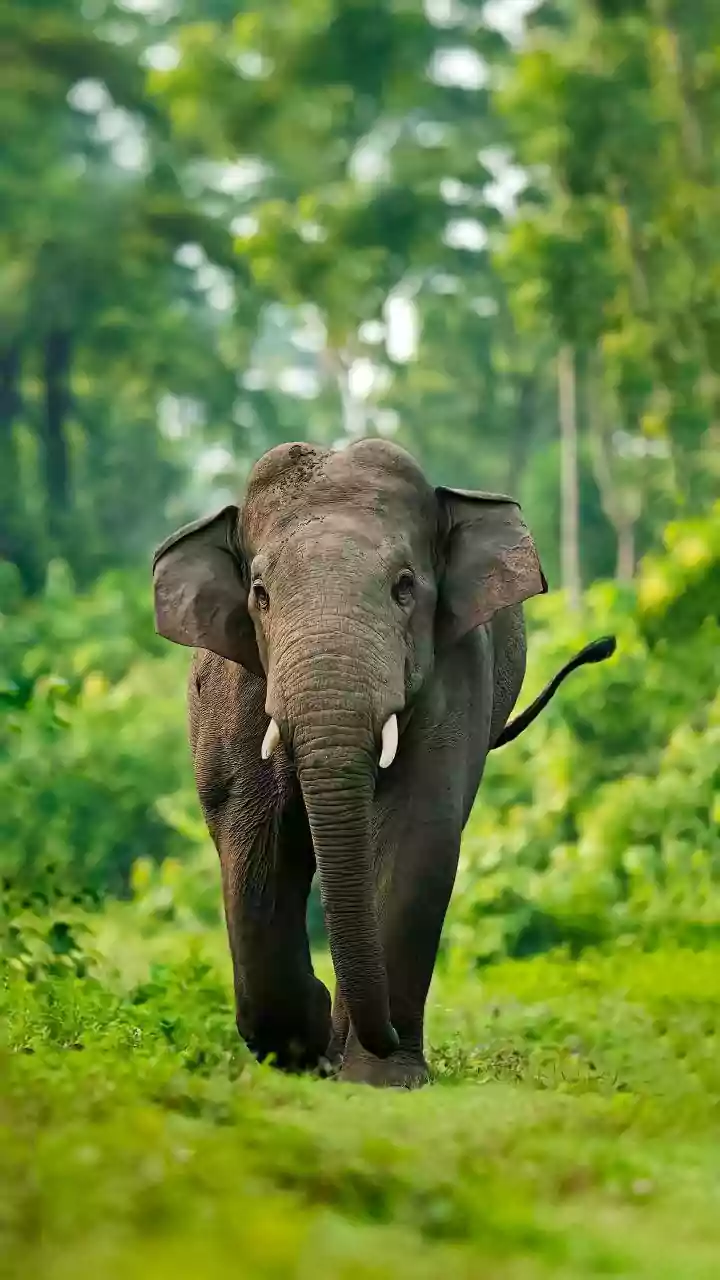
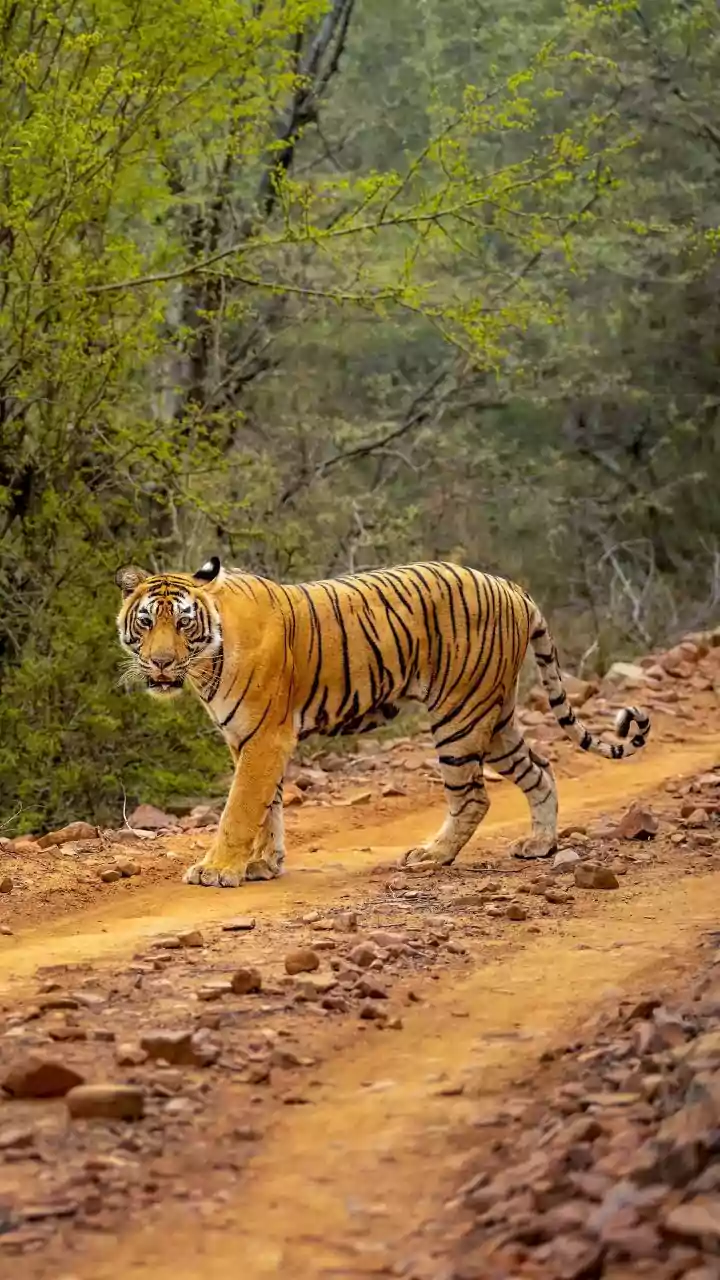
The monsoon alters animal behaviour in fascinating ways. With water abundant everywhere, animals are more dispersed, but the cooler temperatures mean they are often active for longer periods during the day. Contrary to popular belief, tiger sightings can still be excellent. The rain washes away scent markings, forcing tigers to patrol their territories more frequently to re-establish them. Elephants are particularly playful during the rains and can often be seen enjoying the water. The season is also phenomenal for birdwatching, as the burst of insect life attracts numerous resident and migratory species. In places like Periyar, boat safaris on the lake provide a unique vantage point to see herds of elephants, gaur, and sambar deer at the water's edge amidst misty, atmospheric conditions.
Practical Tips for Your Monsoon Safari
A monsoon safari requires a bit of specific planning. Waterproofing is essential, so pack rain jackets, ponchos, and protective gear for your cameras and electronics. Leeches can be common in the damp environment, especially in parks like Periyar, so carrying leech-proof socks is a wise precaution. Footwear should be sturdy, waterproof, and have good grip for potentially muddy trails. Since some parks operate with fewer safari permits during this season, it's crucial to book your safaris well in advance to avoid disappointment. Embrace the rain as part of the adventure; safaris will generally proceed even in a light drizzle, which often adds to the magical atmosphere of the jungle. Remember to be flexible, as heavy downpours can occasionally cause delays or route changes.