






Go Light on Digestion
The monsoon season brings high humidity, which, according to both modern nutrition and ancient Ayurvedic wisdom, can slow down our digestive system. Heavy, oily, and fried foods that you might crave, like samosas and pakoras, become much harder for your
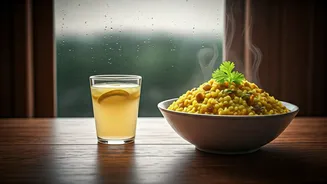
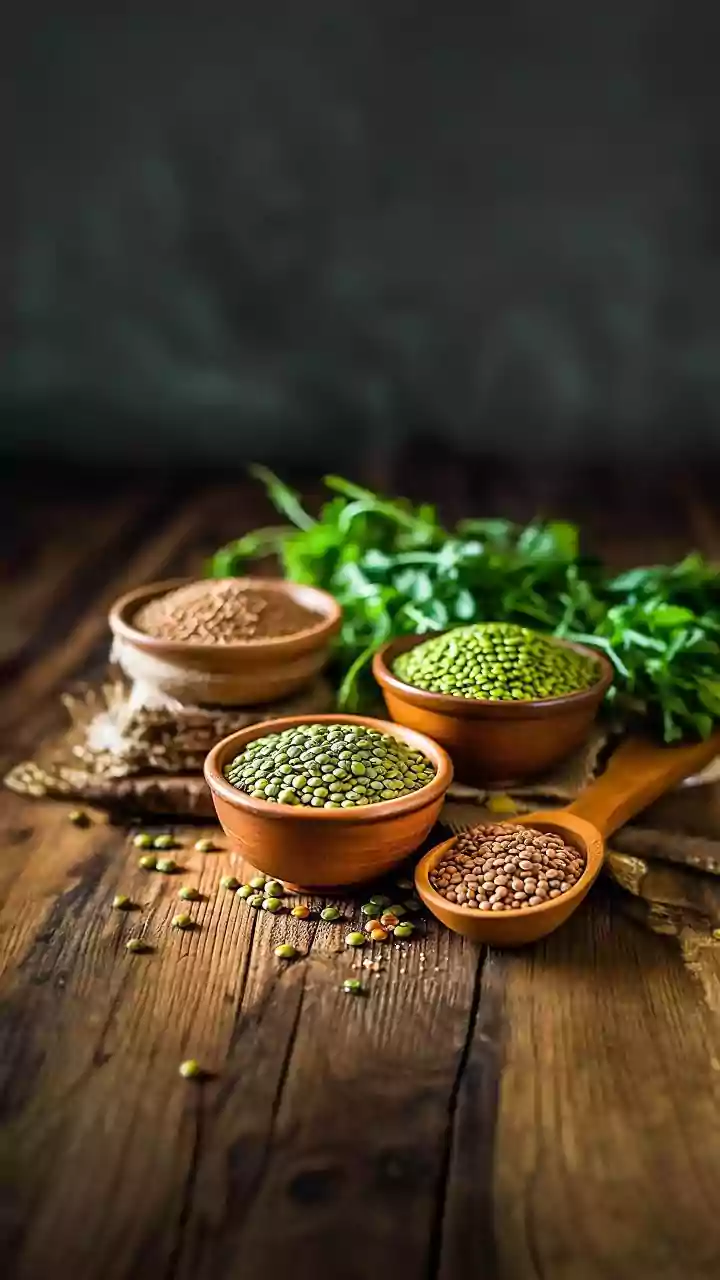
body to process. This can lead to bloating, indigestion, and a general feeling of lethargy. Instead, this is the season to embrace light and easy-to-digest meals. Think warm, comforting bowls of moong dal khichdi, simple vegetable stews, or steamed dishes. Opt for grains like oats, barley, and old rice. Reducing your intake of rich curries and deep-fried snacks will keep your gut happy and your energy levels stable, allowing you to enjoy the weather without feeling weighed down.
Embrace Bitter and Astringent Veggies
While your heart might yearn for potatoes and paneer, your body needs something different. Traditional Indian wisdom suggests including bitter vegetables in your monsoon diet. Vegetables like karela (bitter gourd), neem, and turmeric are known for their infection-fighting properties. They help in keeping gut-related issues at bay, which are common during this season due to contaminated water. Other excellent choices include gourds like lauki (bottle gourd), tori (ridge gourd), and parwal (pointed gourd). A word of caution about leafy greens: while nutritious, vegetables like spinach and cabbage can be home to a lot of dirt and germs during the rains. If you do consume them, ensure they are washed meticulously, preferably in warm water with a pinch of salt or turmeric.
Spice Up Your Immunity
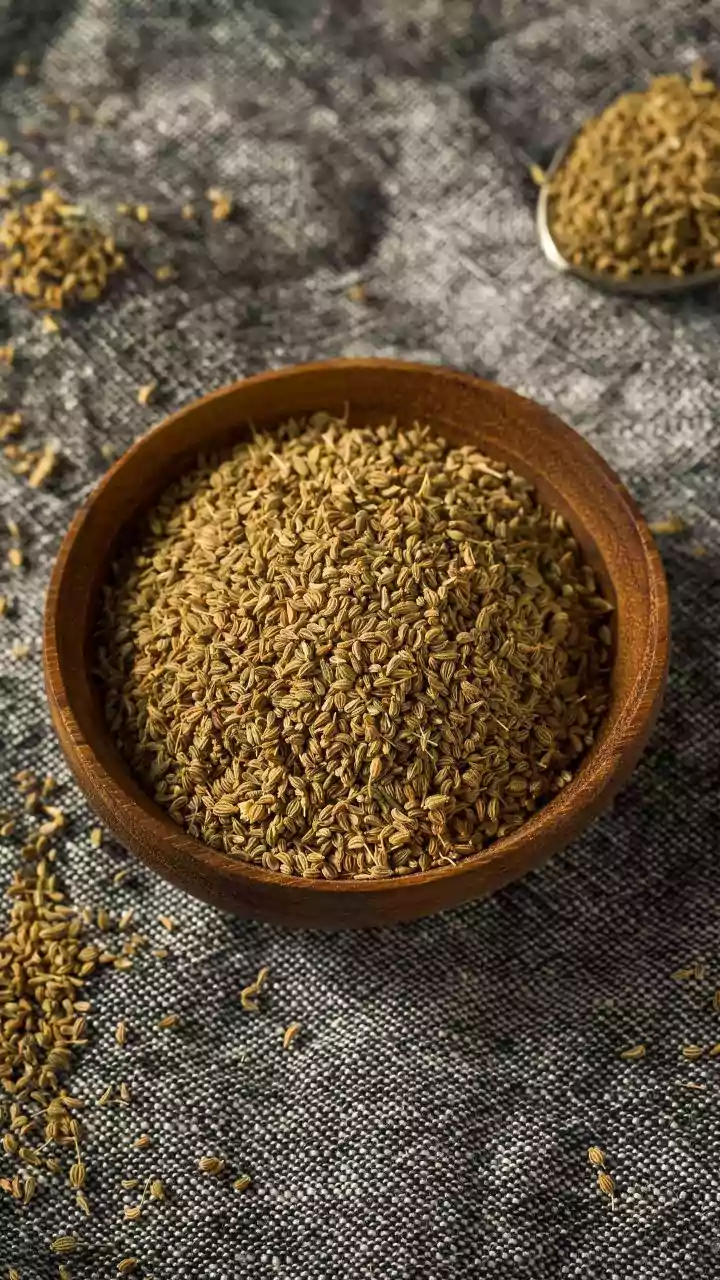
Indian spices are not just for flavour; they are a powerhouse of medicinal properties perfect for the monsoon. This is the time to make friends with ginger, garlic, turmeric (haldi), black pepper (kali mirch), and asafoetida (hing). Ginger and garlic have potent anti-inflammatory and antibacterial properties, making them great for fending off colds and coughs. A warm cup of ginger tea is a classic monsoon remedy for a sore throat. Turmeric is a well-known immunity booster. Adding a pinch of black pepper to your food not only enhances flavour but also helps increase the absorption of curcumin, the active compound in turmeric. Hing is excellent for preventing gas and bloating, making it a valuable addition to dals and curries.
Choose Your Fruits Wisely
Fruits are essential, but making the right choice is key during the monsoon. Focus on seasonal fruits like jamun, cherries, peaches, and pears. These are packed with antioxidants and vitamins that help boost your immunity. Pomegranates are another excellent choice for their ability to improve digestion and fight off infections. It’s generally advised to avoid fruits with very high water content, like watermelon and muskmelon, as they can lead to water retention in some individuals during this humid season. Also, be extremely careful with pre-cut fruits sold by street vendors, as the risk of contamination is significantly higher. It’s always safest to buy whole fruits, wash them thoroughly at home, and cut them yourself right before eating.
Hydrate, But with Warmth
Staying hydrated is important year-round, but how you hydrate during the monsoon matters. Instead of reaching for ice-cold drinks from the fridge, which can shock your digestive system, opt for warm or room-temperature fluids. Warm water with a dash of lemon and honey in the morning can kick-start your metabolism. Throughout the day, sip on herbal teas made with tulsi, ginger, or mint. Warm vegetable soups are another fantastic way to stay hydrated while getting a dose of nutrients. Try to limit your intake of dairy products like milk and dahi, as they can be heavy to digest for some people during this season and may increase phlegm.
The Street Food Dilemma
The craving for a plate of spicy chaat or a roasted bhutta is almost synonymous with the Indian monsoon. However, this is the time to exercise maximum caution. Street food is often prepared in the open, exposed to contaminated water and flies, which thrive in this weather. This greatly increases the risk of water-borne diseases like typhoid, cholera, and diarrhoea. If the craving is irresistible, the best solution is to recreate your favourite street food snacks at home. This way, you can control the hygiene, the quality of the water, and the ingredients used, ensuring you get all the flavour and comfort without the health risks.