



In the world of health foods, quinoa and lentils are titans. Both are praised for their nutritional punch, but they spark a key question: what's the real difference between a 'complete protein' like quinoa and a powerhouse legume like lentils?
The Protein Showdown: Complete vs. Incomplete
The biggest
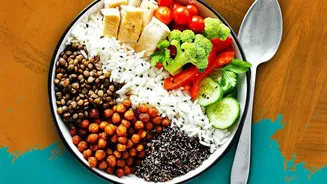
distinction highlighted between quinoa and lentils lies in their protein structure. Protein is made of amino acids, and there are nine 'essential' amino acids our bodies can't produce on their own. Quinoa is famously called a 'complete protein' because it contains all nine of these essential amino acids in sufficient amounts. This makes it a standout in the plant world, as many plant-based foods are lacking in one or more. Lentils, on the other hand, are technically an 'incomplete protein'. While they contain all nine essential amino acids, they are low in two specific ones: methionine and cysteine. However, this isn't a deal-breaker. The idea that you must eat a complete protein at every single meal is now considered outdated. Your body can store and combine amino acids from different foods eaten throughout the day. Lentils are exceptionally high in the amino acid lysine, which grains like rice often lack. This is why the classic pairing of lentils and rice (like in dal) creates a complete protein profile, as one food's weakness is the other's strength.
A Nutritional Deep Dive Beyond Protein
When you look beyond protein, the comparison gets even more interesting. Per cooked cup, lentils generally offer more protein and fibre than quinoa. A cup of cooked lentils packs about 18 grams of protein and a massive 15.6 grams of fibre. In comparison, a cup of cooked quinoa provides about 8 grams of protein and 5 grams of fibre. Lentils take a clear lead in fibre, which is crucial for digestive health, feeling full, and promoting a healthy gut.
Lentils are also a superior source of certain micronutrients, notably folate and iron. In fact, lentils contain significantly more iron than quinoa. However, quinoa shines in its mineral content, boasting higher levels of magnesium, phosphorus, manganese, and zinc than lentils. Quinoa is also rich in antioxidants like quercetin and kaempferol, which have anti-inflammatory properties.
Impact on Blood Sugar
For those managing blood sugar, both foods are excellent choices, but with slight differences. The glycemic index (GI) measures how quickly a food raises blood sugar. Lentils typically have a very low GI, which means they are digested slowly and cause a gradual rise in blood glucose. This is due to their high fibre and resistant starch content.
Quinoa also has a relatively low GI, usually around 53, which is much better than refined grains like white rice. Its combination of protein and fibre helps slow digestion and prevent sharp blood sugar spikes. Both are considered beneficial for managing diabetes and improving overall metabolic health, but the exceptionally high fibre in lentils gives them a slight edge for blood sugar stabilisation.
In the Kitchen: Cooking and Versatility
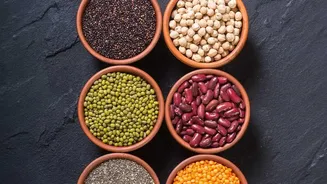
Practicality is a major factor, and here both are winners, though they serve different culinary roles. Lentils, especially split varieties like red lentils, cook very quickly, often in 15–20 minutes without any pre–soaking required. They break down to create a creamy, thick texture, making them perfect for soups, stews, curries, and dips. Larger green or brown lentils hold their shape better and are great for salads or as a meat substitute.
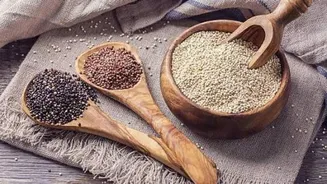
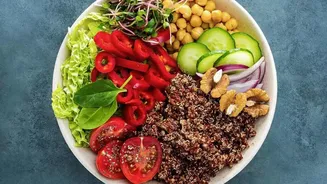
Quinoa also cooks quickly, typically in about 15 minutes. After cooking, it has a fluffy, slightly chewy texture with a subtle nutty flavour. This makes it an incredibly versatile substitute for rice or couscous. It works well as a base for salads, grain bowls, breakfast porridges, or as a hearty addition to soups. While lentils absorb the flavours of a dish and provide creaminess, quinoa offers a distinct texture and serves as a neutral base.