




A New Kitchen Mindset
The natural reaction to a rising grocery bill is to hunt for discounts or switch to cheaper brands. While helpful, this strategy has its limits. The real game-changer is a mental shift: stop focusing on the cost of each ingredient and start calculating
the cost of the whole dish. A slightly pricier block of paneer might feel like an indulgence, but if it becomes the star of a vegetable-heavy curry that yields five servings, the cost per person can be surprisingly low. This approach moves you from being a shopper who buys items to a cook who creates value. It encourages thinking about versatility, portioning, and how ingredients work together to create a satisfying and affordable meal.
Calculating Your Cost-Per-Serving
The idea of 'pricing a dish' might sound like something from a restaurant kitchen, but it's a simple concept for home cooks. To figure out the cost per serving, you add up the approximate cost of the ingredients you used and divide that by the number of meals you get from it. For example, if you use half a bag of lentils (costing ₹50), some spices from your pantry (maybe ₹10), and vegetables (₹40) to make a dal that serves four people, your total recipe cost is ₹100. That works out to just ₹25 per serving. Seeing the final number makes it clear that a home-cooked meal is incredibly cost-effective compared to any alternative.
Your Pantry: The Financial Foundation
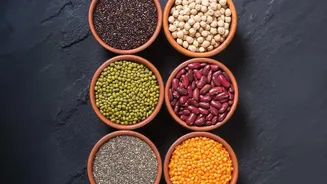
A well-stocked pantry is the cornerstone of this entire strategy. Items like rice, atta, lentils, beans, and common spices are the foundation of countless Indian meals. Buying these staples in larger quantities when prices are stable or on sale can lead to significant savings over time. When your pantry is full, you are less likely to make impulsive trips to the store for a single missing item, which often leads to buying other things you don't need. A stocked pantry means you always have the base for a meal, and you only need to shop for fresh, perishable items like vegetables, which you can buy based on what's seasonal and affordable.
The Art of Stretching Ingredients
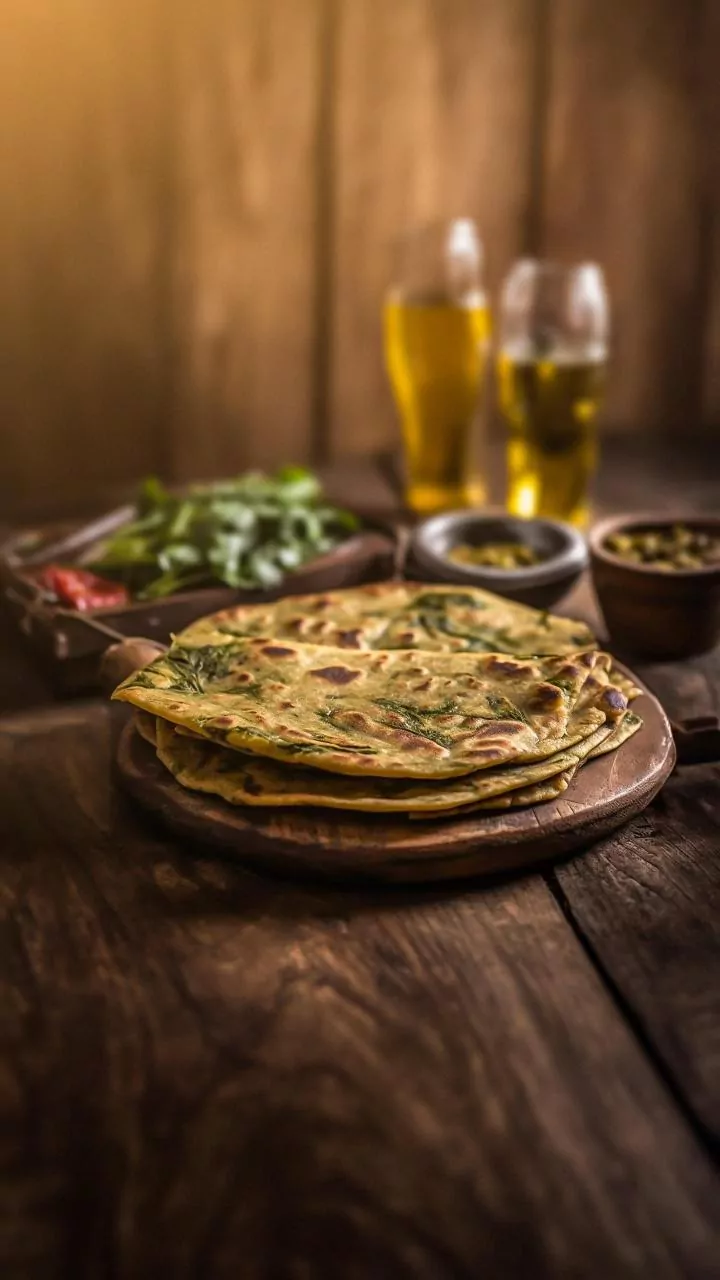
Pricing the whole dish teaches you to become a master of stretching more expensive ingredients. Proteins like chicken or paneer don't always have to be the main event in large quantities. By dicing them smaller and incorporating them into a rich gravy with more affordable vegetables like potatoes, carrots, and peas, you can create a flavourful and filling dish where a little goes a long way. The same principle applies to using leftovers creatively. Yesterday's sabzi can be stuffed into a paratha for breakfast, and leftover rice can be quickly transformed into a delicious lemon rice or fried rice for the next day's lunch, effectively giving you a 'free' meal from ingredients you already paid for.
Smart Meal Planning Wins the Week
You don't need a complicated spreadsheet to benefit from meal planning. Just having a rough idea of three or four main dishes for the week allows you to shop with purpose. This prevents the dreaded 'what's for dinner?' question that often leads to expensive takeout orders. Planning helps you use what you already have, buy only what you need, and avoid waste. You can plan meals around a single versatile vegetable—use half a cabbage for a stir-fry on Monday and the other half for a sabzi on Wednesday. This thoughtful approach not only lowers your grocery bill but also reduces food waste, saving you even more money in the long run.