



Your Pre-Trip Vehicle Health Check
Before you even turn the key, a thorough vehicle inspection is your first line of defence. Your tyres are the single most critical component for monsoon safety. Ensure they have a tread depth of at least 3mm for adequate grip on wet surfaces. The standard
one-rupee coin test can be a good indicator; if the coin's edge is fully visible, your tyres are too worn for safe monsoon driving. Equally important are your windscreen wipers. Indian heat degrades rubber quickly, so replace them if they leave streaks or judder across the glass. Finally, do a complete light check—headlights, taillights, brake lights, and indicators. In heavy rain and fog at night, being visible is just as important as seeing the road ahead.
Mastering the Art of Wet-Road Driving
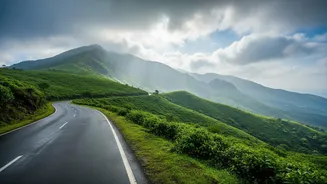
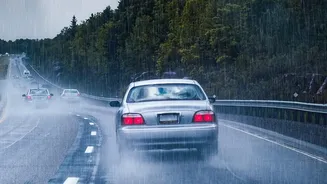
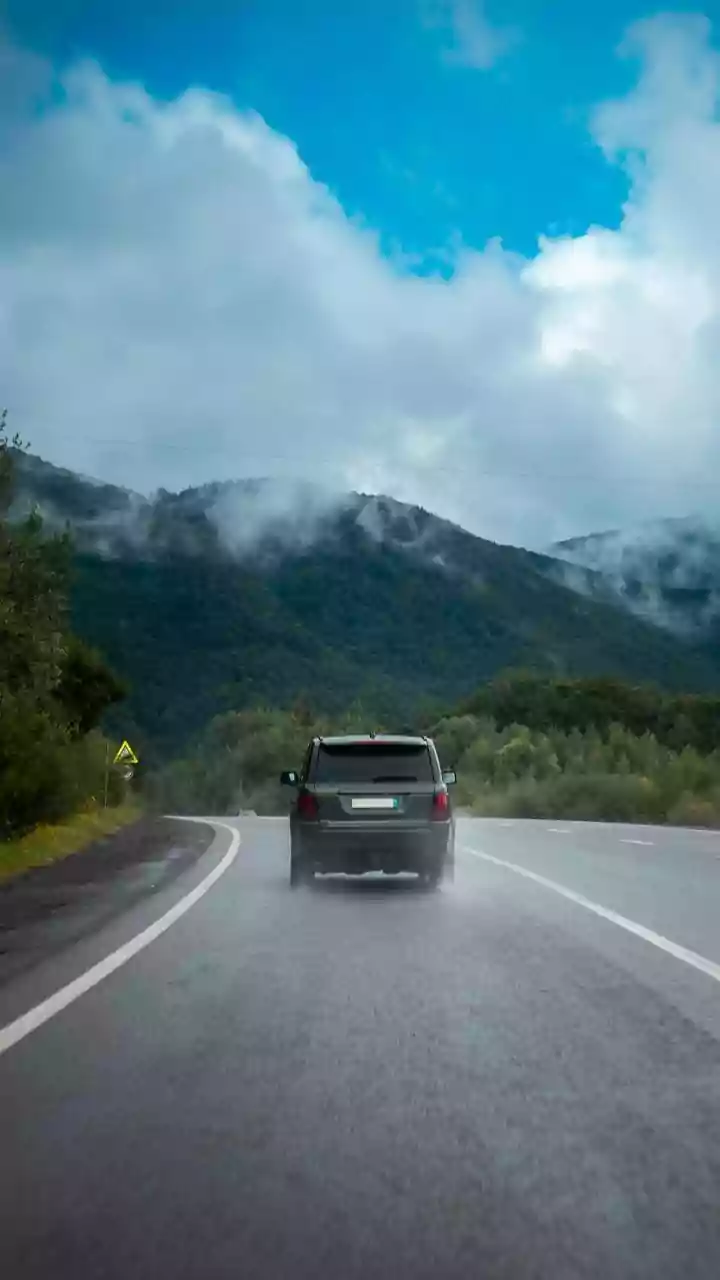
Driving on ghats at night in the rain is a test of smoothness and patience. All your inputs—braking, steering, and accelerating—must be gentle to avoid losing traction. Wet roads can significantly increase braking distances, so maintain a larger than usual gap from the vehicle in front. One of the biggest risks is hydroplaning, where a layer of water between your tyres and the road causes a complete loss of control. To avoid it, reduce your speed, especially when you see standing water. When navigating hairpin bends, a common feature of ghat routes, downshift to a lower gear before the turn. This uses engine braking to control your speed and gives you better power to exit the curve. Always honk on blind curves to alert oncoming traffic.
Combating Low Visibility and Darkness
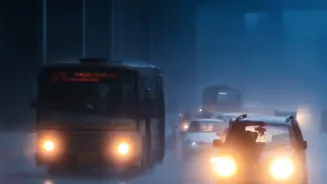
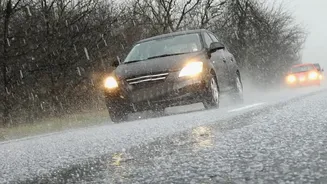
The combination of darkness, heavy rain, and fog can reduce visibility to almost zero. Use your low-beam headlights even in light rain, as this makes you more visible to others. Avoid using high beams in fog or heavy rain, as the light will reflect off the water droplets and worsen your visibility. Instead, use fog lamps if your car is equipped with them. To keep your windows from fogging up from the inside due to humidity, run your car’s air conditioner and defogger. If conditions become too severe and you can barely see the road edges, the safest action is to pull over. Find a safe spot away from the main road, well clear of any curves or potential landslide zones, and wait for the rain to subside.
Anticipating Landslides and Hidden Hazards
Ghat roads are prone to landslides during the monsoon. Be vigilant for warning signs like small streams of mud, falling rocks, or trees leaning at unusual angles. Driving slowly and steadily gives you more time to react if you spot a potential slide ahead. If you find yourself caught in a landslide, the safest place is usually inside your car. A vehicle's frame can offer protection from debris. Another hidden danger is waterlogging, which can conceal massive potholes or wash away parts of the road. Never attempt to drive through deep or fast-moving water, as it can stall your engine or even sweep your vehicle away.
The Essential Monsoon Emergency Kit
Getting stranded is a real possibility, and a well-stocked emergency kit can be a lifesaver. Your kit should be practical and packed in a waterproof bag. Key items include a powerful torch or headlamp with extra batteries (a phone torch isn't enough), a reflective warning triangle, and a high-visibility jacket to make yourself seen if you have to get out of the car. Also include a portable tyre inflator, a puncture repair kit, and jumper cables. A first-aid box with basic supplies, a power bank for your phone, drinking water, and high-energy snacks like nuts or glucose biscuits are non-negotiable. Having these items means you are prepared to handle a breakdown or a long wait for help.