


The Secret Charm of the Shoulder Season
For years, Indian travel calendars were dictated by summer breaks and winter holidays, leading to crowded destinations and peak-season pricing. That model is changing. A growing number of Indian travellers are discovering the 'shoulder season'—the period
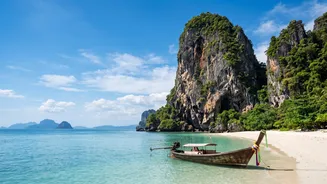
just before or after a destination's high season. Autumn, from late September to November, is the perfect example. The benefits are compelling: flights and hotels can be significantly cheaper, sometimes 25-60% less than in peak summer. More importantly, the experience on the ground is transformed. Imagine exploring Rome's Colosseum or Prague's Charles Bridge without the crushing summer crowds, or finding a quiet spot on a Thai beach. This shift also supports more sustainable tourism, easing the pressure on local infrastructure and providing a steadier income for local businesses year-round.
Europe's Golden Hues and Milder Days
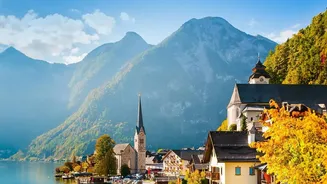
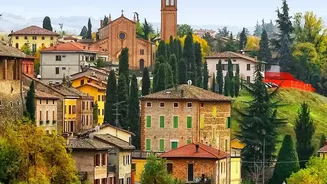
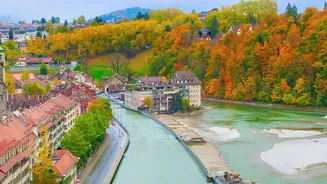
While Europe is a perennial favourite, autumn offers a unique and arguably more authentic experience. Southern European destinations like Spain, Portugal, and Italy still enjoy mild, sunny days, perfect for sightseeing without the sweltering heat of July and August. Central and Eastern Europe, meanwhile, are ablaze with fall colours. Consider wandering through the fairytale town of Colmar in France's Alsace wine region or witnessing the fiery foliage surrounding Neuschwanstein Castle in Bavaria, Germany. The crowds of Oktoberfest have dispersed, but the festive spirit remains in many German towns. For Indian travellers, securing a Schengen visa is still a necessary step, requiring documentation like proof of accommodation, return tickets, and adequate travel insurance. While the rules are becoming more digitized, planning ahead remains crucial.
Asia's Post-Monsoon Splendour
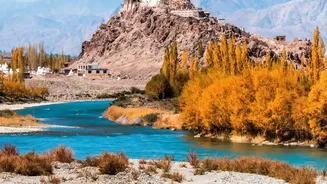
Closer to home, Asia offers a stunning array of autumn options. In much of Southeast Asia, the rainy season is ending, leaving behind lush, green landscapes and comfortable temperatures. Vietnam's northern region, including Sapa, showcases golden rice terraces ready for harvest. Thailand, a long-time favourite, is less crowded, with great deals on accommodation and shopping. Further east, Japan and South Korea are famous for their spectacular autumn foliage, a tradition known as 'momijigari' in Japan. Cities like Kyoto and Seoul are transformed by hues of red, orange, and gold. Many Asian destinations also offer simplified visa processes for Indians. Countries like Thailand, Malaysia, and Kazakhstan provide visa-free entry for specified periods, making last-minute trips more feasible. However, it's always wise to check the latest regulations before booking, as policies can change.
Making Your Autumn Trip Happen
The trend towards experiential travel is clear; Indians are increasingly seeking unique, meaningful trips. Autumn facilitates this by offering a more relaxed pace. This is the time for a food and wine tour through Tuscany, a hiking trip in Nepal post-monsoon, or a cultural deep-dive into South Korea's serene temples. For booking, online platforms are increasingly popular, but don't discount travel packages, which can offer value and convenience, especially for multi-country itineraries. When packing, remember that autumn weather can be variable. Layering is key—pack light sweaters, a waterproof jacket, and comfortable walking shoes. Whether you're chasing autumn colours in Japan or enjoying a final glass of wine outdoors in a European piazza, the autumn travel window provides a chance to see the world in a different, more brilliant light.