





Zinedine Zidane: The Fall of a Legend
The 2006 final should have been Zinedine Zidane's coronation. Playing the last match of a glittering career, the French captain was immense, scoring an audacious Panenka penalty early in the game. But deep into extra time, with the score tied 1-1, the legend
unravelled. After a verbal exchange with Italian defender Marco Materazzi, Zidane shockingly turned and drove his head into Materazzi's chest. The world watched, stunned, as the referee produced a red card. Zidane walked off the pitch, past the trophy he would not lift, his career ending in infamy. France went on to lose the penalty shootout, and a moment of madness became the final, unforgettable chapter of a genius's career.
Marco Materazzi: The Provocateur
Every villain needs a foil, and in 2006, Marco Materazzi played the part to perfection. The Italian defender, who had earlier scored Italy's equaliser, was tasked with marking Zidane. After some shirt-pulling, Zidane offered to give Materazzi his jersey after the match. Materazzi’s reply, which he later confirmed, was a crude insult directed at Zidane's sister. While Zidane’s reaction was his own, Materazzi’s provocation was the catalyst for one of the most shocking moments in World Cup history. He absorbed the headbutt, saw his rival sent off, and coolly converted his own penalty in the ensuing shootout to help Italy win the cup. In the annals of the game, he is remembered as the man who engineered a hero's downfall.
Nigel de Jong: The Kung-Fu Kick
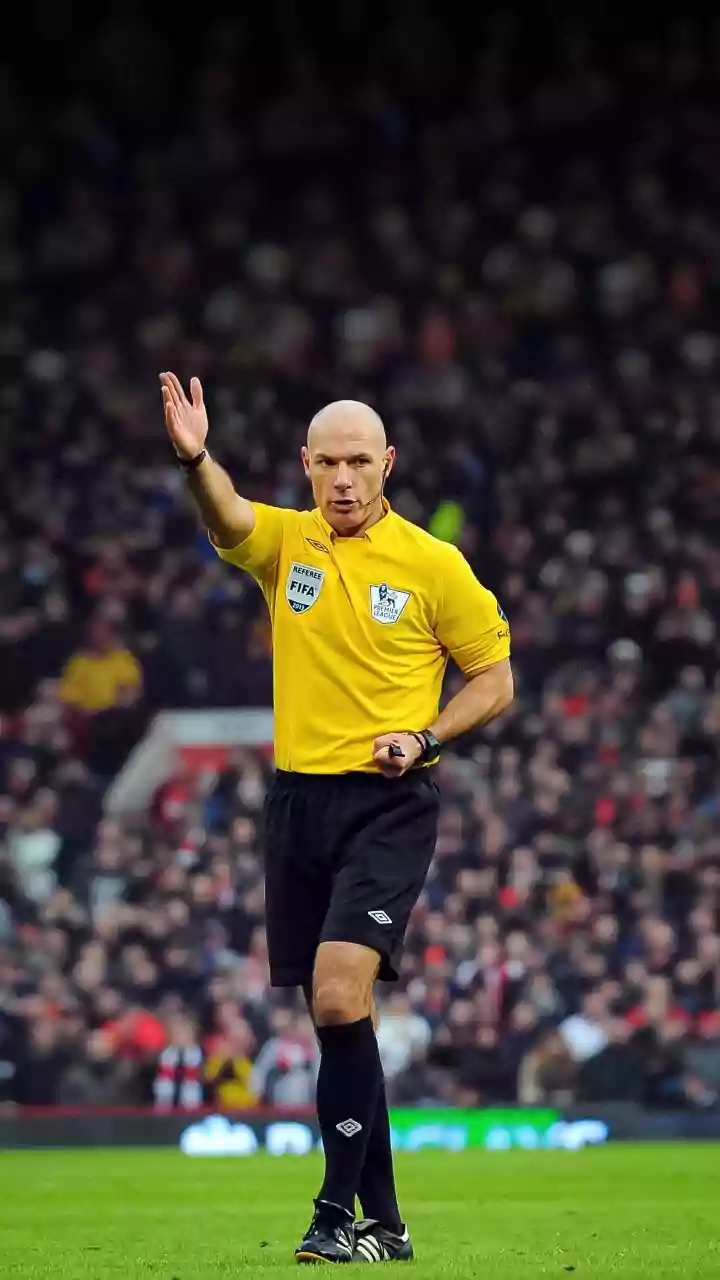
The 2010 final between Spain and the Netherlands was a brutal, cynical affair, and one moment encapsulated its ugliness. Just 28 minutes into the match, Dutch midfielder Nigel de Jong launched a chest-high, studs-up kick into Spain's Xabi Alonso. It was a challenge more suited for a martial arts movie, an act of shocking violence on football's biggest stage. Astonishingly, English referee Howard Webb only showed a yellow card, a decision he later admitted was a mistake. De Jong played on, but the image of his boot connecting with Alonso's chest became the defining symbol of that final. While the Netherlands lost, De Jong's tackle cemented his reputation as a remorseless enforcer, a villainous figure in a final that abandoned artistry for aggression.
Roberto Baggio: The Tragic Anti-Hero
Not all villains are born from malice. Some are created by the crushing weight of a single moment of failure. Roberto Baggio, 'The Divine Ponytail', was Italy's hero at the 1994 World Cup, single-handedly dragging his team to the final. After a tense 0-0 draw with Brazil, the championship came down to a penalty shootout. With Italy needing to score to stay alive, their best player stepped up. But Baggio, the reigning world player of the year, blazed his penalty over the crossbar. The image of him standing motionless, head bowed in disbelief, as Brazil celebrated is one of the most tragic in football history. He wasn't a cheater or a brute; he was the hero who failed at the final hurdle, a villain born not of intent, but of heartbreaking misfortune.