



This Isn't Your Aunt's Minimalism
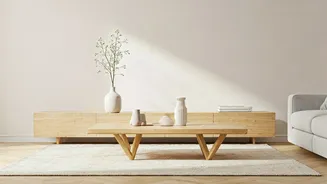
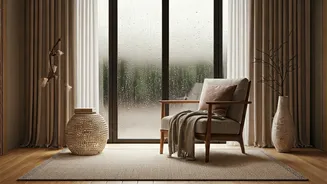
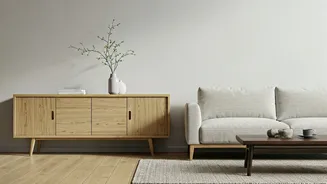
Let’s get one thing straight: this isn’t the cold, sterile, all-white-box minimalism that felt more like a hospital waiting room than a home. The new movement toward simplicity is warm, textured, and deeply personal. Think of it as 'conscious simplicity'
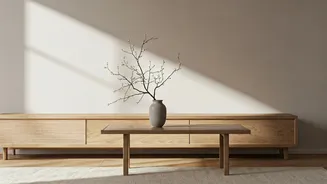
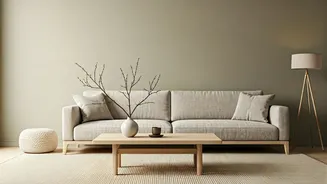
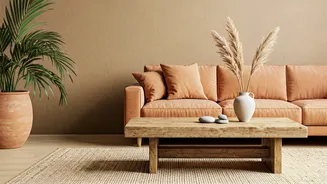
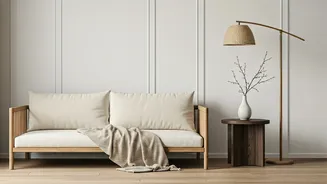
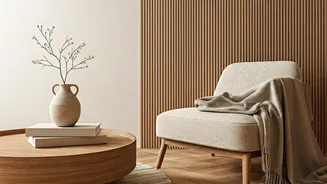
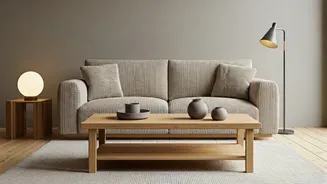
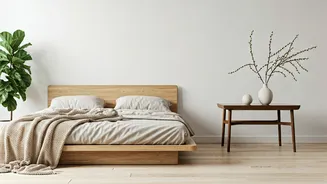
or 'warm minimalism.' It’s less about deprivation and more about intention. Design insiders often point to trends like 'Japandi,' a hybrid of Scandinavian function and Japanese rustic minimalism, as the perfect example. These spaces are defined by natural materials like light woods, linen, rattan, and stone. They prioritize natural light, embrace imperfection (the Japanese concept of wabi-sabi), and celebrate craftsmanship. The goal isn't to own nothing; it's to ensure that everything you own has a purpose, a story, or brings you genuine joy. The statement isn’t 'I have nothing,' but rather, 'Everything I have, matters.'
A Sanctuary from Digital Chaos
So, why is this happening now? In a word: burnout. Our brains are marinating in a constant stew of notifications, news alerts, and the endless scroll of social media. We're overstimulated and overwhelmed. The home is becoming the last bastion of peace, and a cluttered home only adds to the cognitive load.
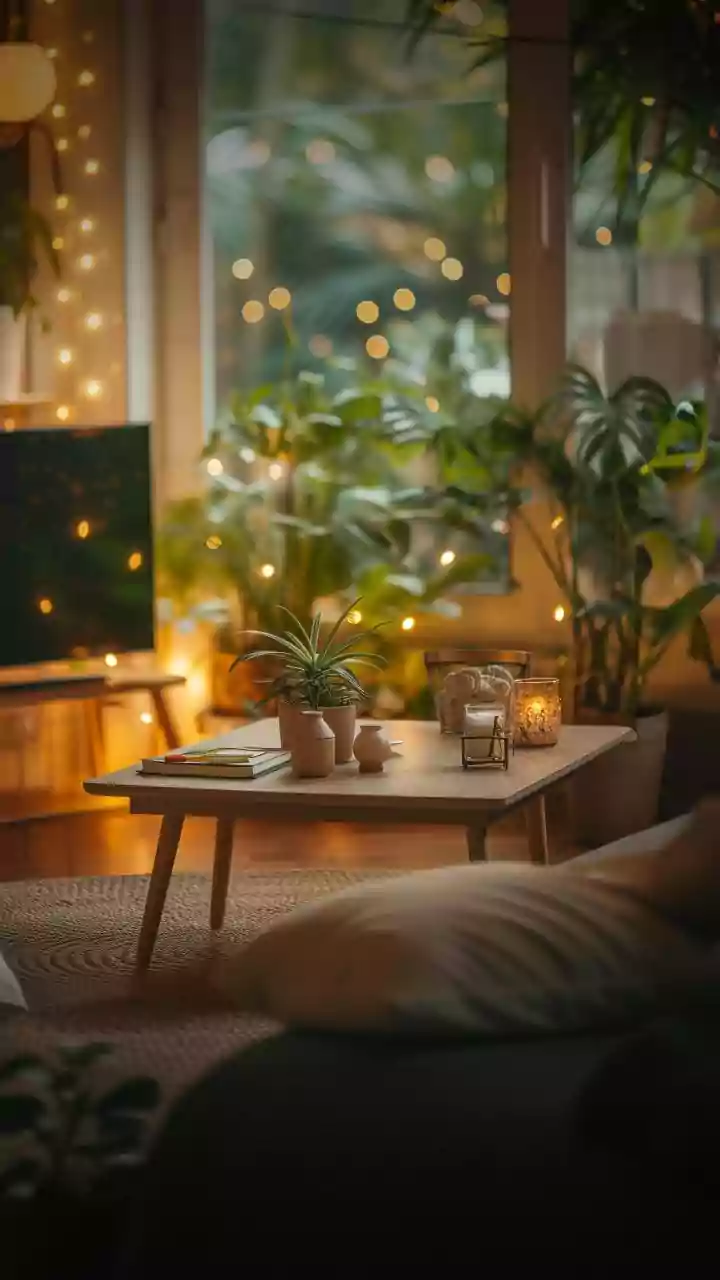
A simple, organized space offers a psychological exhale. When your eyes can rest, your mind can too. Stripping away visual noise reduces decision fatigue and creates a sense of control and calm that is increasingly rare in the outside world. It’s no coincidence that this trend has accelerated since 2020; after spending so much time at home, many Americans realized their environment was directly impacting their mental well-being. A simple space is no longer just an aesthetic choice; it’s a form of self-care, a deliberate act of creating a sanctuary from the chaos.
Redefining What Luxury Means
For decades, luxury was synonymous with opulence and excess—gilded fixtures, overflowing closets, and the conspicuous display of brand names. Simple spaces are making the biggest statement of all by challenging that very definition. Today, true luxury is shifting from material wealth to experiential wealth: time, space, and peace of mind.
Having an uncluttered countertop isn't about not being able to afford more appliances; it's about valuing the calm, open space more than another gadget. A single, beautifully crafted wooden chair can feel more luxurious than a room full of fast-furniture. This trend champions a 'buy less, but better' philosophy. It’s a quiet rejection of the consumerist pressure to constantly upgrade and acquire. The ultimate status symbol is no longer what you own, but the clarity and freedom you have because of what you don't own. It’s a statement of confidence and security that doesn’t require external validation.
How to Find Your Own Simple
Embracing this ethos doesn't require you to sell all your possessions and live in a yurt (unless that’s your thing). It’s about personal editing. The process is less about following a rigid set of rules and more about asking a series of questions. Does this object serve a function? Does it hold sentimental value? Does its presence make my life better or just more complicated?
Start small. Clear one surface—a coffee table, a nightstand, your desk. See how it feels. Pay attention to the things you consistently choose to keep. Often, they are the items with a story, an artisanal touch, or a connection to a person you love. This isn’t about creating a home that looks like a magazine, but one that feels like a true reflection of your values. It’s a space designed not for an audience, but for the people who live in it. The most powerful statement a simple space can make is that it's unapologetically yours.