



The Great Antarctic Anomaly
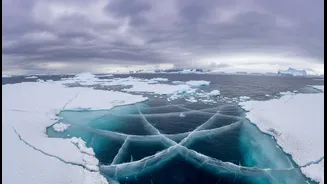
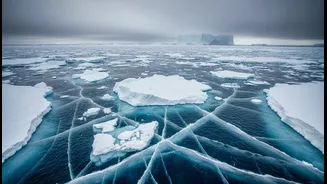
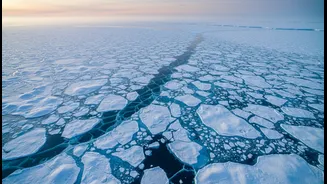
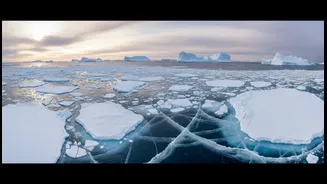
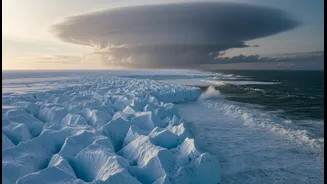
For many years, while the Arctic was clearly and rapidly losing its ice, Antarctica seemed to be playing by different rules. For decades leading up to the mid-2010s, the sea ice surrounding the southern continent was stable, and even expanding in some
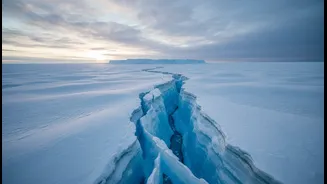
areas. This resilience was a major scientific puzzle. However, starting around 2016, the system abruptly flipped. The continent began losing sea ice at an unprecedented rate, hitting record lows and leaving scientists to grapple with a new and alarming reality. It appears Antarctica has now shifted from a buffer against global warming to a potential amplifier of it.
Sea Ice vs. Land Ice: A Critical Distinction
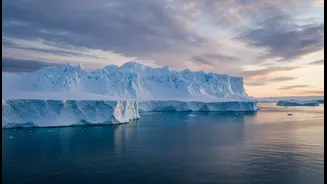
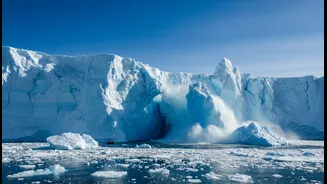
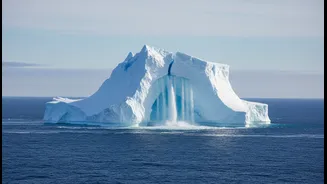
To understand what’s at stake, it’s vital to know the difference between two types of ice. Sea ice is frozen ocean water; it forms, grows, and melts in the sea. Like an ice cube in a glass of water, its melting doesn't directly raise sea levels because it's already floating in the ocean. Land ice, on the other hand, is the massive ice sheet covering the continent itself, formed from compacted snow over millennia. When land ice melts and flows into the ocean, it adds new water, directly causing global sea levels to rise. If the entire Antarctic Ice Sheet were to melt, it would raise global sea levels by a catastrophic 60 meters. While sea ice melt doesn't cause this directly, the forces causing it to vanish are also attacking the land ice.
What Is Driving the Sudden Decline?
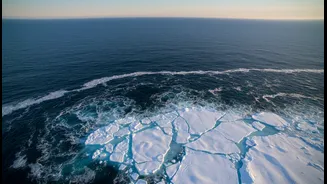
Recent research points to a 'triple whammy' of factors that tipped the system into a new low-ice state. For years, a layer of cold, fresh water at the ocean's surface acted like a lid, trapping warmer, saltier water deep below. However, strengthening winds around Antarctica, linked to climate change and the ozone hole, have started to haul that deep, warm water up to the surface. This upwelling of warm water melts the sea ice from below. This creates a dangerous feedback loop: as the bright, reflective ice disappears, the darker ocean surface absorbs more sunlight, which further warms the water and melts even more ice. Different processes are at play in different regions, with increased cloud cover trapping heat over West Antarctica, adding to the melt.
Why It Matters for India and the World
What happens in Antarctica does not stay in Antarctica. The continent is a crucial regulator of the planet's climate. Its vast white surface reflects sunlight back into space, helping to keep the Earth cool—an effect known as albedo. The annual formation of sea ice also helps drive global ocean currents that transport heat, nutrients, and carbon. The recent, rapid changes threaten to disrupt these systems. For coastal nations like India, the most direct threat comes from sea-level rise caused by the melting of Antarctica's land ice, which is destabilized by the same warming oceans melting the sea ice. Furthermore, changes in Antarctic weather patterns can influence storms and climate across the Southern Hemisphere and beyond.
A Return to Normal, or a Brief Reprieve?
Despite the alarming trend, the situation remains complex. After several years of record or near-record lows, the Antarctic sea ice minimum in early 2026 rebounded to a near-average level. Scientists note this is due to high year-to-year variability and specific wind patterns in areas like the Weddell Sea. However, the overall extent remains below the long-term average, and the winter growth of ice has been slower than normal since March 2026. This single-year rebound does not erase the worrying long-term shift. Researchers are now debating whether Antarctica has crossed a critical tipping point and entered a permanently new, low-ice state that could accelerate global warming.