

The Science of Nutrient Loss
When you cook vegetables, you're introducing heat and, often, water. This combination can be a double-edged sword. While cooking can break down tough cell walls and make some nutrients more accessible, it can also destroy or leach out others. The main
culprits are water-soluble vitamins, like Vitamin C and B vitamins, and certain delicate antioxidants. These compounds are sensitive to both high temperatures and being submerged in water. Boiling, for example, is particularly harsh. Because the greens are fully immersed, water-soluble nutrients can easily escape from the vegetable and end up in the cooking water, which is usually discarded. Frying, on the other hand, involves very high temperatures that can degrade these sensitive compounds.
Why Steaming Reigns Supreme
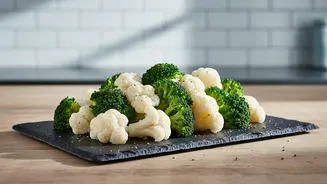
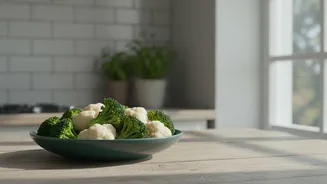
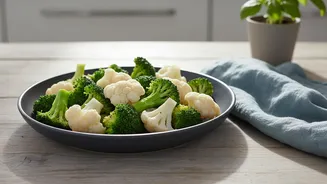
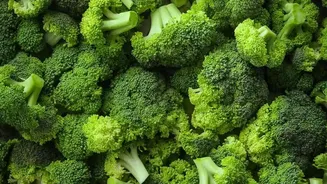
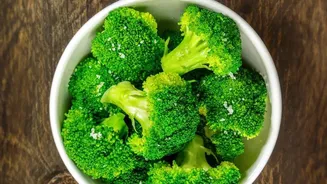
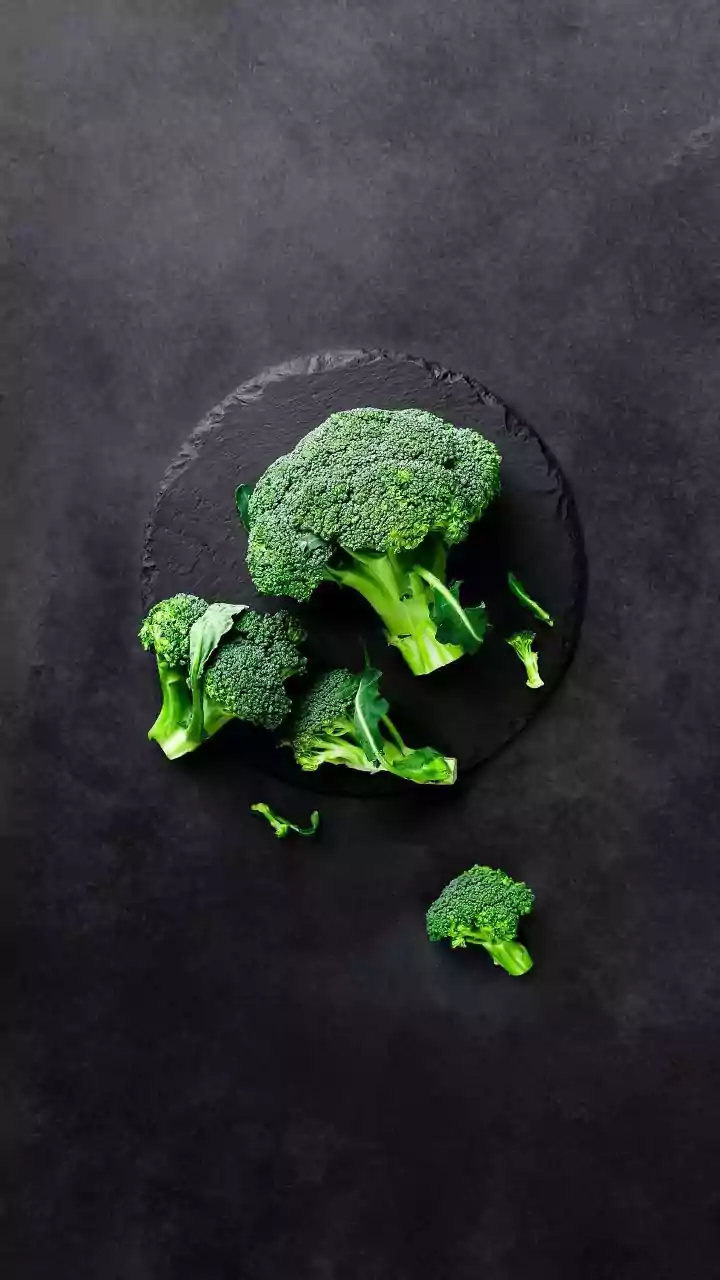
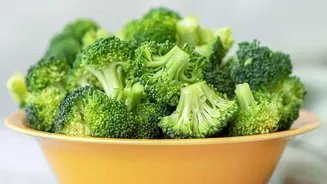
Steaming stands out as one of the best cooking methods for preserving the nutritional integrity of fresh greens. Unlike boiling, steaming cooks the vegetables with hot water vapour rather than direct contact with water. This simple difference means far fewer water-soluble vitamins and antioxidants are leached out. Studies consistently show that steaming leads to the lowest loss of compounds like Vitamin C and beneficial glucosinolates compared to boiling, stir-frying, or microwaving. For example, one study on broccoli found that steaming was the only method that did not cause a significant loss of chlorophyll, Vitamin C, and soluble proteins. Another noted that while boiling broccoli could destroy over 70% of its key cancer-fighting glucosinolates, steaming preserved them far more effectively. The colour of your greens is often a good visual cue; the bright green of a steamed vegetable indicates that its chlorophyll and many of its nutrients are still intact.
The Art of the Perfect Steam
Mastering the art of steaming is simple and requires minimal equipment. All you need is a pot with a tight-fitting lid and a steamer basket. 1. Add about an inch of water to the pot, ensuring the water level is below the bottom of the steamer basket. 2. Bring the water to a rolling boil. 3. Place your washed greens in the steamer basket, put the basket in the pot, and cover it tightly. 4. The key is to cook for the shortest time possible. Most leafy greens like spinach need only 2-3 minutes. Hardier greens like kale or broccoli florets might take 5-7 minutes. Your goal is 'tender-crisp'—the greens should be bright, slightly softened, but still have a bit of a bite. Over-steaming can lead to a mushy texture and increased nutrient loss, so keep a close eye on them.
Which Greens Benefit the Most?
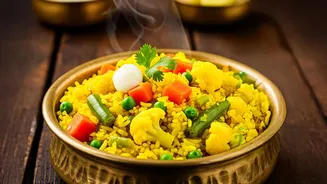
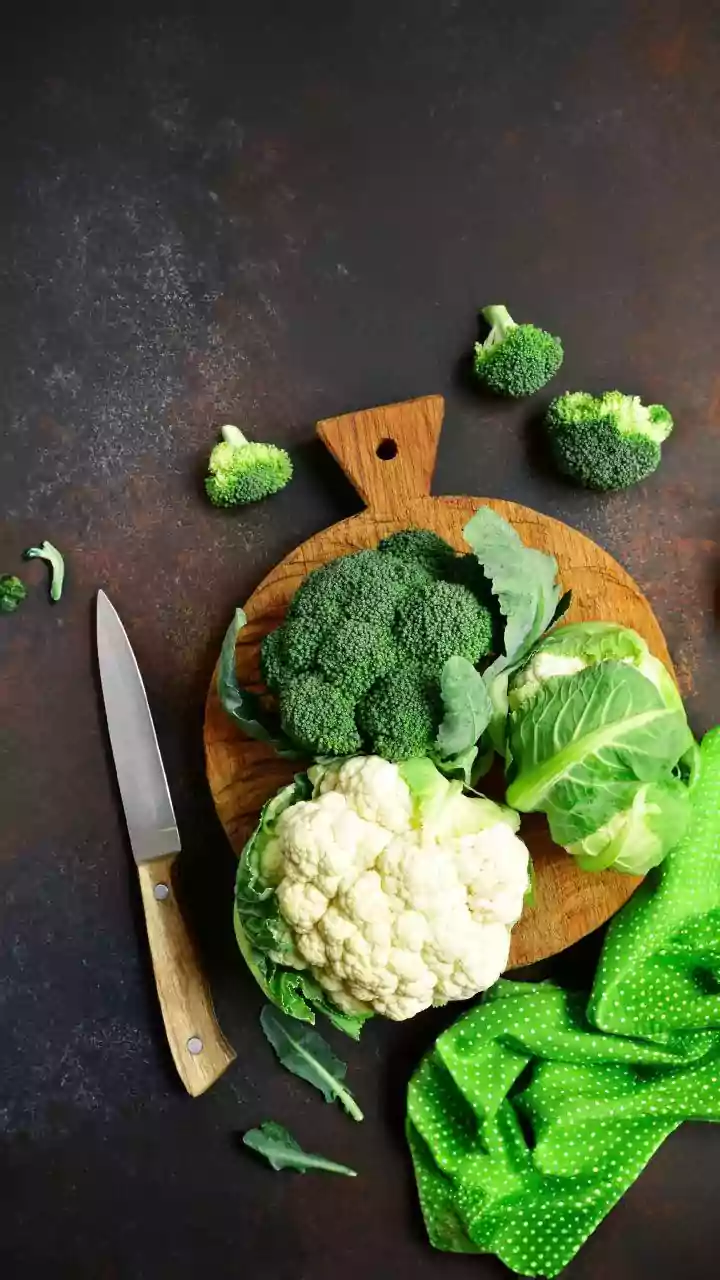
This gentle cooking method is fantastic for a wide variety of greens commonly found in Indian kitchens. Delicate leaves like spinach (palak) and fenugreek (methi) are perfect for a quick steam. They wilt quickly and retain their vibrant colour and nutrients. Mustard greens (sarson) and amaranth leaves (chaulai) also benefit greatly. Beyond traditional greens, this method is ideal for cruciferous vegetables. Broccoli, prized for its compound sulforaphane, retains this nutrient best when steamed. Similarly, cabbage, cauliflower, and Brussels sprouts all maintain more of their health-promoting properties, including glucosinolates and Vitamin C, when steamed rather than boiled. Some studies even show that steaming can increase the antioxidant capacity of certain vegetables by making the compounds more available to the body.