






The Summer Workout Struggle
When you exercise in the heat, your body sweats to cool down. This is a vital and healthy response, but it comes at a cost. Sweat isn't just water; it's also packed with essential minerals known as electrolytes. The more you sweat, the more electrolytes you lose.
Dehydration and electrolyte imbalances are primary culprits behind those sudden, painful muscle spasms. This loss disrupts your body’s ability to function optimally, impairing nerve signals and causing muscles to lock up unexpectedly. For anyone trying to stay active during warmer months, managing this fluid and mineral loss is key to performance and comfort.
Understanding Electrolytes and Hydration
Electrolytes are minerals that carry an electric charge and are crucial for countless bodily functions, especially muscle contractions and hydration. The main players include sodium, potassium, calcium, and magnesium. Sodium and potassium work together in a delicate balance; sodium helps muscles contract, while potassium helps them relax. When you sweat heavily, you lose a significant amount of sodium and a smaller amount of potassium. If you only rehydrate with plain water, you risk further diluting your body's sodium levels, which can actually worsen the problem and lead to cramps and other issues. This is why simply drinking water often isn't enough during intense, sweaty workouts.
Why Coconut Water Is a Good Start
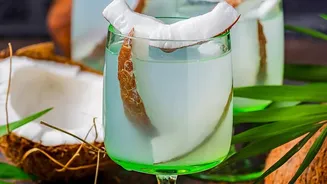
Coconut water has earned its reputation as "nature's sports drink" for a reason. It is naturally rich in electrolytes, particularly potassium. An average cup of coconut water can contain 470-600mg of potassium, which is more than you’d find in a banana. Potassium is vital for proper muscle and nerve function. However, while coconut water excels in potassium, it is naturally low in sodium, the main electrolyte lost through sweat. A typical serving might only have 30-60mg of sodium. This makes it an excellent base for a hydration drink, but it's an incomplete solution for athletes or anyone sweating profusely in the summer heat.
The Missing Ingredient: A Pinch of Salt
This is where a simple pinch of salt comes in. By adding salt (sodium chloride) to coconut water, you can create a more comprehensive electrolyte drink that replenishes what your body is actually losing. Sodium is critical for fluid retention, helping your body absorb and hold onto the water you drink, ensuring it gets to your cells where it's needed most. Creating a drink that contains both sodium and potassium helps restore the natural balance required for muscles to contract and relax properly, effectively preventing the misfires that lead to cramps. This simple combination turns a potassium-rich drink into a more balanced and effective hydration tool.
Your DIY Hydration Hero
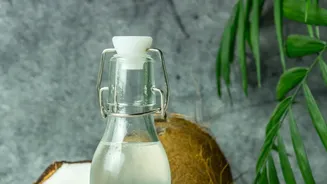
Creating your own salt-infused coconut water is incredibly simple. For a standard one-liter bottle of unsweetened coconut water, a good starting point is to add about a quarter to a half teaspoon of salt. This will provide roughly 600-1,200mg of sodium, an effective range for replenishing losses during a moderate to intense workout of an hour or more. You can use regular table salt or a mineral-rich salt like Himalayan pink salt. For the best results, start sipping your drink 30 to 60 minutes before your workout to pre-hydrate. Continue to drink it consistently throughout your exercise session and finish any remainder afterward to aid in recovery. To improve the taste, you can also add a small splash of pineapple or lime juice.