





The Sticky, Unsettled Weather
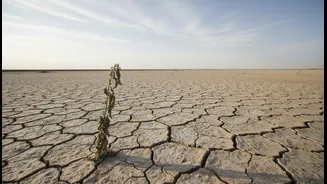
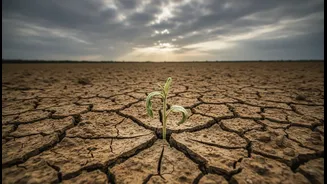
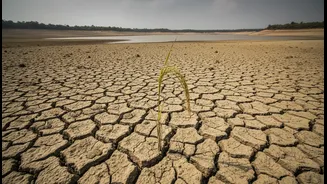
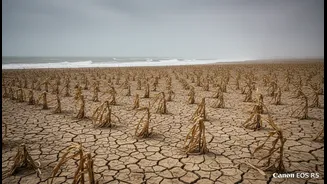
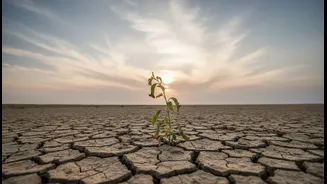
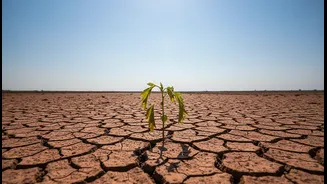
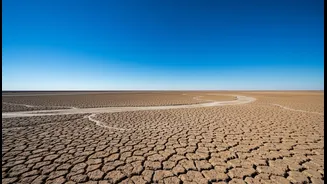
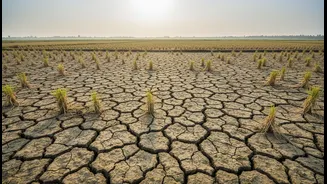
For weeks, residents in many of India's major urban centers have been caught in a frustrating climatic limbo. June 2026 was marked by a significant rainfall deficit of about 40%, leaving cities sweltering under higher-than-normal temperatures and oppressive
humidity. This delayed the crucial cooling effect of the monsoon, creating uncomfortable living conditions and impacting everything from water supply to daily comfort. While the monsoon has now officially covered the country as of early July, its arrival was sluggish, and the season's overall forecast remains below normal. Meteorologists point to a developing El Niño, a large-scale climate pattern known to weaken India's monsoon, as a key factor behind the challenging season.
Understanding the Monsoon's Performance
According to the India Meteorological Department (IMD), while rainfall in the first week of July helped reduce the cumulative deficit, the forecast for the rest of the month suggests below-normal rain for many areas. After one of the driest Junes in decades, the overall deficit for the season stood at around 14-15% as of July 9. This erratic performance has tangible consequences. A weak monsoon can strain urban water reservoirs, delay the sowing of critical kharif crops for farmers, and even influence the nation's broader economic outlook by affecting rural incomes and food prices.
The Great Escape to the Coast
This meteorological story has a very human consequence: people are leaving the heat behind. There's a notable trend of "climate-driven tourism," where travel decisions are directly influenced by the desire to escape uncomfortable weather. With cities remaining hot and sticky, there has been a remarkable surge in domestic travel to coastal regions. Reports from early 2026 already showed a massive influx of tourists to coastal districts. Destinations in the MahaGoa region, which includes the Konkan coast and Goa, have seen strong growth, attracting travellers with their cooler sea breezes and the promise of a break from the inland heat. This isn't just planned vacationing; it's a spontaneous search for relief, a trend clearly visible in the rush to any destination that offers a respite.
A New Pattern in Domestic Travel
This reactive travel is part of a larger boom in domestic tourism. Surveys from 2026 indicate that a strong majority of Indian travellers, around 60%, prefer holidaying within the country, a figure significantly higher than the global average. While cost and convenience are factors, the immediate environment is proving to be a powerful motivator. Just as heatwaves drive tourists from the plains to cooler Himalayan hill stations, the delayed monsoon is pushing city dwellers towards the sea. This has created an unexpected off-season boom for many coastal businesses, from hotels to local vendors. While this provides an economic boost, it also underscores how deeply our leisure and travel patterns are becoming intertwined with changing climate realities.