




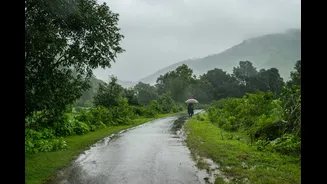
What's Really Changing About the Monsoon?
The classic image of the Indian monsoon is of steady, daily rains that cool the land from June to September. However, climate change is altering this rhythm. Scientists and meteorologists have observed that the monsoon is becoming more erratic. Instead
of gentle, prolonged showers, the trend is towards long dry spells broken by short, intense bursts of extreme rainfall. This leads to a dual problem: some regions experience drought-like conditions, while others face sudden flash floods. The timing is also shifting, with monsoons sometimes arriving later or withdrawing earlier than historically noted, making traditional travel calendars less reliable.
High-Risk Regions and Timings
Certain parts of India are more vulnerable to these new patterns. The Himalayan states, such as Uttarakhand and Himachal Pradesh, have seen a dangerous increase in landslides and flash floods, often triggered by sudden, intense downpours. Unchecked construction in these ecologically sensitive zones has made tourist hubs particularly susceptible. Coastal areas in states like Goa and Kerala are also at risk, not just from heavy rains but from rising sea levels and coastal erosion that threaten beach infrastructure. Conversely, other regions might face delayed or deficient rainfall, impacting water availability even in popular tourist spots. Travellers should be especially cautious during the peak monsoon months of July and August in these vulnerable zones.
Rethinking Your Itinerary: Plan for Uncertainty
Flexibility is the new mantra for monsoon travel in India. Given the unpredictability, it's wise to build buffer days into your itinerary, especially if your plans involve road travel in hilly or remote areas. Journeys that once took a few hours could be delayed by landslides or waterlogging. Before booking, and just before travelling, check local weather advisories and district-level alerts, not just a national forecast. Booking accommodations with flexible cancellation policies is also a prudent step, allowing you to change plans if a region becomes unsafe due to extreme weather.
The Smart Traveller's Guide to Packing
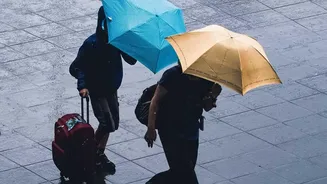
Packing for an unpredictable monsoon means preparing for everything. Lightweight, quick-drying clothing made from synthetic fabrics is essential. A high-quality raincoat or poncho is more practical than an umbrella, which is often useless against wind-driven rain. Sturdy, waterproof footwear with a good grip is non-negotiable to navigate slippery streets and muddy trails. Electronics are particularly vulnerable; protect your phone, camera, and power banks in waterproof dry bags or zip-lock pouches. It's also wise to carry a basic medical kit with remedies for common monsoon ailments and a strong insect repellent.
Discovering New Travel Seasons and Destinations
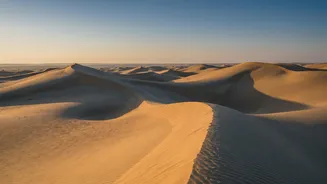
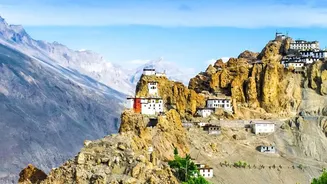
The changing patterns are leading savvy travellers to discover the 'shoulder seasons'—the periods just before and after the traditional peak monsoon. Months like September, October, and November can offer the best of both worlds: lush, post-monsoon landscapes, fewer crowds, and more competitive pricing. Furthermore, not all of India is drenched. Rain-shadow regions like Ladakh and Spiti Valley remain dry and are prime destinations from June to September. Similarly, parts of Rajasthan receive only moderate rainfall, transforming the arid landscape into a surprisingly green and pleasant environment, offering a unique travel experience away from the crowds.