




The Celestial Fireworks of August
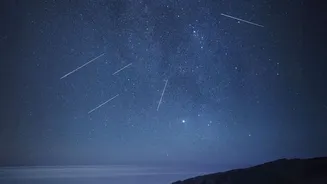
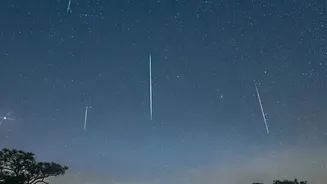
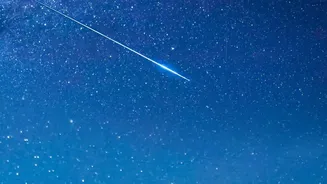
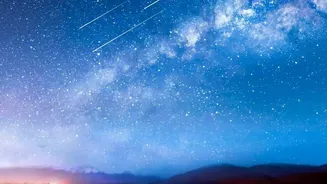
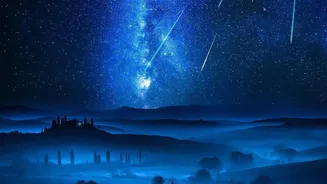
The Perseid meteor shower is an annual celestial event beloved by stargazers for its reliability and brightness. These ‘shooting stars’ are not stars at all, but tiny pieces of debris left behind by the comet Swift-Tuttle. Every August, Earth passes through
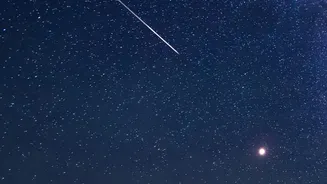
this trail of cosmic dust. The particles, many no larger than a grain of sand, enter our atmosphere at tremendous speeds—nearly 60 kilometres per second—and burn up, creating brilliant streaks of light across the sky. The shower is known for producing a high number of meteors, with rates of 50 to 100 per hour possible under perfect conditions. It's also famous for its fireballs, which are exceptionally bright meteors that can light up the entire sky for a moment.
Why Location is Key This Monsoon
For most of India, August falls squarely in the middle of the monsoon season, which presents the single biggest challenge to viewing the Perseids: cloud cover. A blanket of clouds can easily obscure the entire show. This is why the most promising locations for viewing the 2026 shower are in regions that are either shielded from the monsoon rains or experience a drier climate. High-altitude areas are doubly blessed; the air is thinner and typically drier, offering clearer and more transparent skies. Furthermore, getting away from the light pollution of cities is essential. Artificial light creates a glow that washes out fainter meteors, drastically reducing the number you can see. A truly dark sky is the final ingredient for a memorable experience.
Prime Viewing: The High-Altitude Advantage
The rain-shadow regions of the Himalayas offer the best possible conditions in India for the August Perseids. Places like Ladakh and the Spiti Valley in Himachal Pradesh are high-altitude cold deserts that receive minimal monsoon rainfall. Locations such as Hanle in Ladakh, which is home to India's first Dark Sky Reserve, provide exceptionally clear and dark skies. Similarly, the areas around Kaza, Komic, and Kibber in Spiti Valley are renowned for their pristine night skies. Higher-altitude destinations in Uttarakhand, like Kausani and Mukteshwar, also serve as excellent viewing spots, combining accessibility with significantly less light pollution and clearer air than the plains.
Mark Your Calendar: Best Dates and Times
The 2026 Perseid meteor shower is predicted to peak on the night of August 12-13. For observers in India, the optimal viewing window will be in the early morning hours, roughly between 2:00 AM and dawn on both August 12 and August 13. This is when the shower's radiant point—the constellation Perseus from which the meteors appear to originate—climbs higher in the sky, increasing the number of visible meteors. An added bonus for 2026 is that the peak coincides with a new moon, meaning the sky will be completely dark and free of moonlight, creating ideal conditions to spot even the faintest shooting stars.
Your Essential Viewing Guide
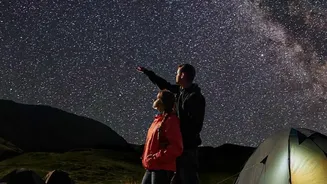
You don't need a telescope or binoculars to enjoy a meteor shower; the naked eye is best as it allows you to see a wide swath of the sky. The most important step is to find a dark spot away from city lights. Once you're settled, give your eyes about 20 to 30 minutes to fully adjust to the darkness. Comfort is key, as you'll be looking up for a while. A reclining chair or a blanket on the ground works perfectly. Dress warmly, as even summer nights can get chilly, especially at high altitudes. Finally, put your phone away. The bright screen will ruin your night vision, and the best part of the experience is disconnecting and immersing yourself in the cosmic display.