






India's long-held dream of high-speed rail is rapidly turning into reality. The planned launch of the first bullet train segment between Surat and Vapi marks a pivotal moment in the nation's infrastructure and technological journey.
A Milestone in Motion
The initial operational
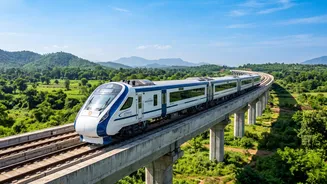
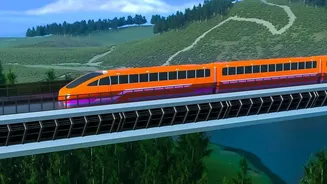
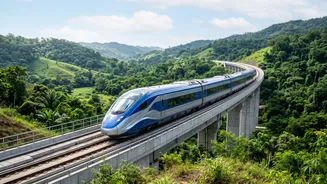
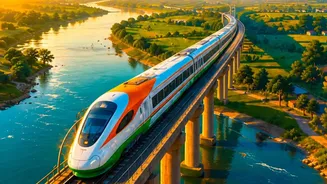
segment of India's ambitious Mumbai-Ahmedabad High-Speed Rail (MAHSR) corridor is set to connect the bustling commercial hubs of Surat and Vapi in Gujarat. This priority section is not just a trial run; it represents the first tangible piece of a transportation revolution for the country. Overseen by the National High Speed Rail Corporation Ltd. (NHSRCL), the project has seen significant progress on this stretch, including the erection of girders and the construction of state-of-the-art stations. This segment will serve as a proof of concept, demonstrating the capabilities of high-speed rail technology on Indian soil and setting the stage for the completion of the entire 508-kilometre corridor. For the first time, passengers in India will experience travel at speeds exceeding 300 kilometres per hour, heralding a new era of efficiency and connectivity.
The Strategic Starting Point
Choosing the Surat-Vapi portion as the inaugural section was a calculated decision. This stretch of southern Gujarat is one of the most industrialized corridors in the country, home to thriving textile and diamond industries in Surat and a concentration of chemical and manufacturing plants around Vapi. The relatively flat terrain and faster progress in land acquisition in this area made it an ideal candidate to demonstrate the project's viability and build momentum. By first connecting these two economic powerhouses, the project aims to showcase the immediate benefits of high-speed rail to the business community. The reduced travel time is expected to provide a significant boost to commerce, allowing for quicker movement of personnel and fostering closer economic integration within the region long before the full line to Mumbai is complete. It acts as a powerful pilot, demonstrating value and ironing out operational details on a manageable scale.
The Japanese Shinkansen Connection
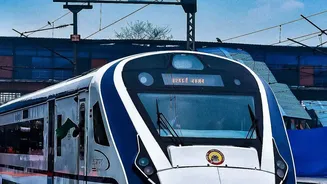
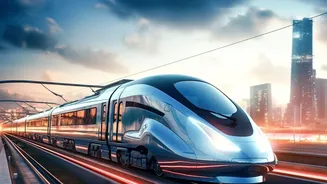
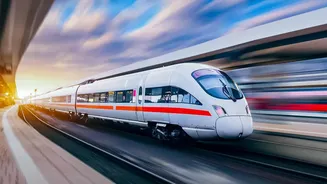
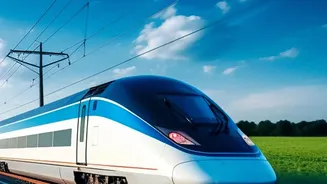
At the heart of India's bullet train project is Japan's renowned Shinkansen technology. Known globally for its impeccable safety record and punctuality, the E5 series Shinkansen trains are being adapted for Indian conditions. This technology is more than just about speed; it encompasses the entire system, from the advanced rolling stock to the sophisticated signalling and dedicated tracks that prevent accidents and ensure smooth operation. The decision to partner with Japan brings decades of expertise and a proven track record to the project. The trains are designed for ultimate passenger comfort and safety, featuring aerodynamic noses to reduce noise and vibrations at high speeds. This technological collaboration represents a significant leap for India's railway system, moving it from a colonial-era infrastructure to a world-class, modern network capable of meeting the demands of a 21st-century economy.
More Than Just Speed
The impact of the Surat-Vapi high-speed link extends far beyond just reducing travel time. It is poised to be a major catalyst for economic growth and urban development. The project is expected to create thousands of jobs, both directly in construction and operations and indirectly in ancillary sectors like hospitality and services. The development of multi-modal hubs around the stations will further integrate different forms of transport, making last-mile connectivity seamless. By shifting a portion of passenger traffic from congested roads and conventional railways, the bullet train will also contribute to reducing the carbon footprint of the transport sector. Furthermore, the presence of a high-speed corridor is expected to spur real estate development and attract new investments into the region, creating new economic opportunities and transforming the urban landscape of southern Gujarat.
Challenges and the Road Ahead
While the progress on the Gujarat portion is commendable, the overall MAHSR project has not been without its challenges. Issues related to land acquisition, particularly in Maharashtra, have caused delays and required persistent negotiation and effort from state and central authorities. The sheer scale and cost of the project have also been subjects of public debate. However, the successful launch of the Surat-Vapi segment is designed to build confidence and showcase the undeniable benefits of the investment. As this first section becomes operational, it will serve as a powerful testament to the project's potential. The lessons learned here—in construction, operations, and public-private coordination—will be invaluable as the NHSRCL works to complete the more complex sections of the line, ultimately connecting India's financial capital, Mumbai, to the economic hub of Ahmedabad and paving the way for a future network of high-speed corridors across the nation.