


The Soul of South Indian Kitchens
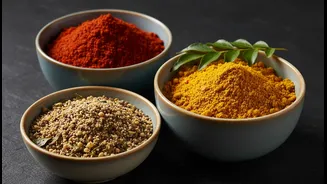
For generations, podi has been a non-negotiable pantry staple in South Indian homes. The word 'podi' simply means 'powder' in languages like Tamil and Telugu, but it represents an entire ecosystem of flavour. At its core, it's a coarse, dry blend of roasted
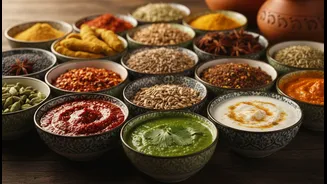
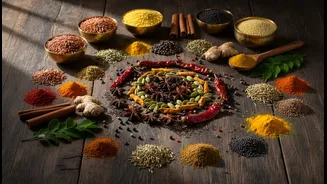
lentils (like chana and urad dal), seeds (often sesame), dried red chillies, and other spices. Traditionally mixed with ghee or sesame oil, it serves as a deeply satisfying and flavourful accompaniment to simple dishes like steamed idlis, crisp dosas, and hot rice. Nicknamed 'gunpowder' for its explosive flavour, each family has its own treasured recipe, a culinary signature passed down through generations. It's a taste of home, a quick comfort meal, and a testament to the ingenuity of preserving flavour and nutrition.
From Pantry Staple to Pub Grub
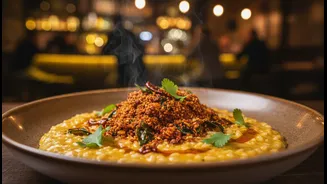
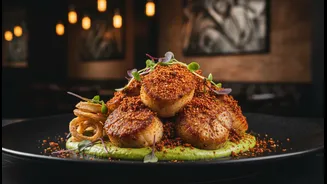
Suddenly, this quintessential taste of home is showing up in the most unexpected places: the menus of high-energy gastropubs and modern Indian restaurants. The humble podi is no longer just for breakfast. Chefs are now sprinkling it with abandon, turning familiar bar snacks into something uniquely Indian and utterly addictive. We're seeing Guntur podi chicken wings, molaga podi-dusted French fries, podi-crusted paneer, and even podi-infused mayonnaise served as a dip. This migration from the traditional 'tiffin' plate to the small plates of a pub menu marks a significant shift in how regional Indian ingredients are perceived and celebrated.
The Flavour Bomb Advantage
So why the sudden mainstream obsession? For chefs, podi is a perfect secret weapon. Michelin-starred chef Garima Arora calls it a "flavour bomb" for its ability to add an instant layer of complexity to any dish. It provides multiple dimensions of taste and texture at once: nuttiness from the roasted lentils, smokiness from the chillies, a hint of bitterness from curry leaves, and a satisfying umami depth. In a fast-paced kitchen, podi is a highly efficient way to introduce authentic, bold Indian flavours without a long cooking process. It’s a versatile seasoning that can be sprinkled, coated, or mixed into dips, offering a quick and powerful flavour upgrade.
Reinventing the Classics, One Sprinkle at a Time
The creativity on display is a testament to podi's versatility. Gastropubs are taking Western-style comfort foods and giving them a decisive Indian twist. The most popular creation is arguably 'podi fries', where classic French fries are tossed in a fiery spice mix, creating a snack that's both familiar and new. But it doesn't stop there. Some menus feature mini idlis tossed in ghee and podi, served as a bar snack. The fusion experiments get even bolder, with social media buzzing about dishes like ghee podi spaghetti and podi-dusted avocado toast. This playful experimentation introduces the flavour to a new generation of diners in a format they already love.
A Sign of Modern Culinary Confidence
Podi's journey from the kitchen cabinet to the cocktail bar is part of a larger, exciting trend in Indian food. It signals a growing confidence among chefs to look inward, exploring the vast and diverse pantry of regional Indian cuisines rather than constantly looking to the West for inspiration. By taking a humble, traditional ingredient and re-imagining it in a modern, urban context, chefs are celebrating India's culinary heritage while also pushing its boundaries. It shows a move away from generic 'curry house' fare towards a more specific, authentic, and yet innovative approach to Indian dining. The rise of podi is a delicious symbol of this new-found self-assurance in modern Indian gastronomy.