






Bottle Gourd (Lauki)
Often overlooked, the humble lauki is a superstar during the monsoon. Composed of over 90% water, it is incredibly hydrating and light on the digestive system, which tends to be weaker during this season. Rich in both soluble and insoluble fibre, it aids
in smooth digestion, prevents constipation, and helps maintain a healthy gut. Its cooling properties also help balance the body’s temperature amidst the humid weather. Furthermore, bottle gourd is low in calories and fat, making it an excellent choice for weight management. It contains essential minerals like sodium, potassium, and iron, helping replenish what you might lose through sweat in the sticky, non-summer heat. A simple lauki soup or a sabzi can be a comforting, nutritious, and easily digestible meal.
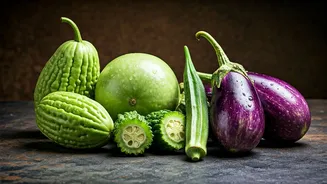
Bitter Gourd (Karela)
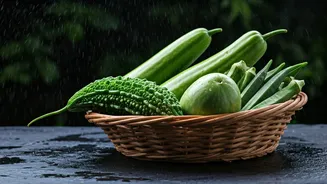
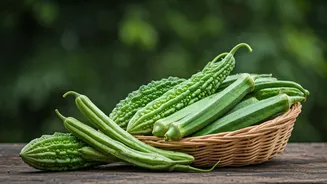
Don’t let its bitter taste deter you; karela is a powerhouse of nutrients perfectly suited for the monsoon. It is packed with Vitamin C and potent antioxidants that are crucial for strengthening the immune system and helping the body fight off common seasonal infections like the cold and flu. Traditional Ayurvedic medicine has long celebrated bitter gourd for its medicinal properties, including its ability to purify the blood and improve skin health, which can be affected by the damp climate. Its active compounds also help regulate blood sugar levels. To make it more palatable, you can marinate it in salt before cooking or pair it with stronger flavours like onion, garlic, or even a bit of jaggery in your preparation. A stuffed karela or a simple stir-fry can be a great way to incorporate this vegetable into your diet.
Pointed Gourd (Parwal)
Parwal, or pointed gourd, is another excellent vegetable for the monsoon. It is exceptionally easy to digest and is known to soothe the stomach and prevent digestive issues like acidity and gas. Rich in vitamins A and C, as well as antioxidants, it contributes significantly to a robust immune system. This gourd is also a good source of fibre, which aids in keeping your bowels regular. According to Ayurveda, parwal helps balance the Kapha dosha, which can become aggravated during the rainy season, leading to respiratory issues and lethargy. Its blood-purifying properties also help keep your skin clear and healthy. Whether you make a simple curry, a dry sabzi, or a hearty stew, parwal is a versatile and beneficial addition to your monsoon plate.
Indian Squash (Tinda)
Often called a round gourd or apple gourd, tinda is a mild-flavoured vegetable that is perfect for the rainy season. Its high water content makes it hydrating and easy on the stomach, while its anti-inflammatory properties can help pacify the digestive tract. Tinda is a great source of antioxidants, which protect the body from damage caused by free radicals and support overall immunity. Being low in calories and high in fibre, it promotes a feeling of fullness and aids in weight control. This humble vegetable is incredibly versatile and absorbs flavours well, making it a great addition to curries, dals, and mixed vegetable dishes. Including tinda in your diet helps ensure you get essential nutrients without overburdening your system.
Vital Roots: Turmeric & Ginger
While not vegetables in the classic sense, these underground stems are non-negotiable for a healthy monsoon kitchen. Ginger is a well-known digestive aid, helping to combat nausea, indigestion, and bloating. Its anti-inflammatory and antimicrobial properties make it a go-to remedy for sore throats and colds. A warm cup of ginger tea is not just comforting on a rainy day; it’s a shield for your health. Fresh turmeric, with its active compound curcumin, is a powerful antiseptic, antiviral, and immunity-booster. It reduces inflammation and helps the body ward off infections. Adding a pinch of fresh or powdered turmeric to your milk, curries, and soups is one of the easiest ways to harness its protective benefits during the monsoon.
A Note on Leafy Greens
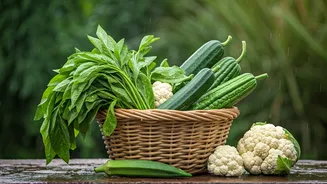
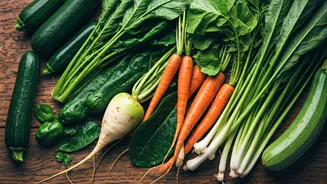
Many people advise avoiding leafy green vegetables like spinach, cabbage, and cauliflower during the monsoon, and there's a good reason for it. The high moisture and humidity in the air create a perfect environment for germs, bacteria, and pests to thrive on the leaves and crevices of these vegetables. If not cleaned properly, they can lead to stomach infections and other illnesses. This doesn't mean you have to eliminate them completely. If you choose to eat leafy greens, be extra cautious. Wash them thoroughly in clean water, perhaps with a bit of salt or vinegar. Most importantly, always cook them well. Steaming, boiling, or sautéing at high temperatures can help kill harmful pathogens, making them safer to consume.