




From Scarcity to Surplus: The Water Level Story
Heavy rainfall is crucial for replenishing India’s water resources. It fills up reservoirs, recharges groundwater aquifers, and sustains rivers that are vital for agriculture, drinking water, and industry. A good monsoon is directly linked to higher agricultural
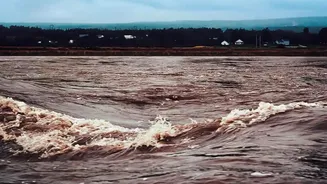
yields, especially for rain-fed crops like rice, cotton, and maize, which supports a significant portion of the population. Furthermore, this water influx is essential for hydropower generation, which helps green the country's energy supply and reduces reliance on fossil fuels. However, the blessing of rain can quickly turn into a curse. When rainfall is exceptionally intense or concentrated in a short period, it can overwhelm natural and man-made systems. This leads to dams releasing large quantities of water to prevent structural failure, which can worsen downstream flooding. Rivers break their banks, and in urban areas, the combination of saturated ground and inadequate drainage can lead to severe waterlogging and floods.
The Anatomy of a Monsoon-Damaged Road
Indian roads face an annual battle with the monsoon. The impact starts even before the potholes appear. Water seeps into tiny cracks in the asphalt, weakening the bond between the sticky bitumen and the stone aggregates. As vehicles pass over these weakened spots, the pressure dislodges the stones, creating the beginnings of a pothole. The problem is compounded by waterlogged conditions. When roads are submerged, the soil subgrade beneath the pavement becomes saturated and loses much of its strength. This softened foundation can no longer properly support the weight of traffic, causing the surface to flex, crack, and eventually collapse. In urban areas, outdated or clogged drainage systems are a major culprit, unable to handle the runoff from increasingly concreted surfaces. In hilly regions, the danger is even greater. Saturated slopes can lead to devastating landslides, washing away entire sections of road and cutting off communities for days.
Travel Plans: A Tale of Two Monsoons
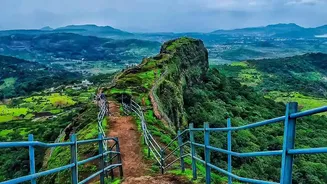
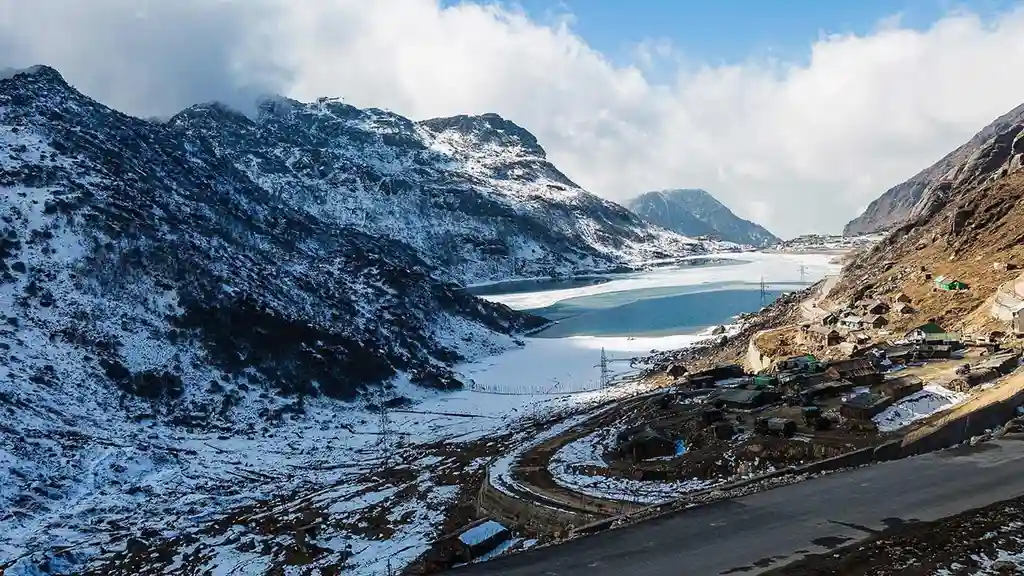
For tourists, the monsoon presents a mix of spectacular beauty and significant risk. On one hand, destinations in the Western Ghats like Coorg and Munnar, along with places like Meghalaya, transform into lush, green paradises with roaring waterfalls and misty landscapes. This period can be ideal for travellers seeking fewer crowds and vibrant scenery. On the other hand, travel during heavy rains requires serious caution. Many popular destinations, particularly in the Himalayas, become hazardous. Hill stations like Manali and regions in Uttarakhand and Mizoram are prone to landslides, flash floods, and road closures that can leave tourists stranded. Even in seemingly safer areas, access to attractions like national parks, beaches, and trekking routes may be restricted. Local authorities often issue advisories against travel to high-risk zones, and it's crucial for travellers to remain flexible and check real-time conditions before and during their journey.
Staying Safe and Prepared
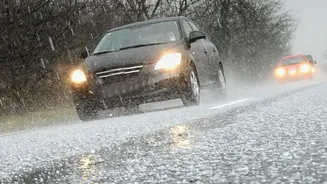
Navigating the monsoon season safely is about preparation and awareness. Before planning any travel, it is essential to check weather forecasts from reliable sources like the India Meteorological Department (IMD) and pay attention to any government advisories. For road travel, especially on highways or in hilly areas, verifying road status through official channels is critical. Driving during heavy rain demands extra caution due to slippery surfaces and reduced visibility; slowing down is paramount. In cities, avoid driving through waterlogged streets, as submerged potholes and open manholes pose significant dangers. It’s also wise to avoid street food, as the risk of waterborne diseases increases during this season. Ultimately, while the rains are an integral part of life in India, respecting their power and staying informed can prevent a beautiful season from turning into a crisis.