


Why Monsoon Paws Need Extra Care
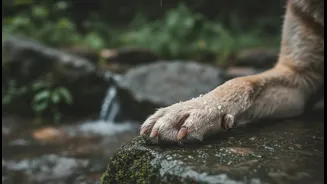
The monsoon season creates a perfect storm for paw problems. The combination of high humidity and constant dampness turns your dog's paws into an ideal breeding ground for bacteria and fungi. The spaces between their toes and paw pads can trap moisture,
dirt, and debris, leading to a host of issues. One of the most common problems is pododermatitis, an inflammation of the skin on the paws that can be caused by infections, allergies, or irritants. This can manifest as redness, swelling, itching, and even painful sores. Yeast infections are also rampant during this season, thriving in warm, moist environments and causing that distinct musty odour along with intense irritation. If you notice your dog excessively licking or chewing their paws, it's often an early sign of discomfort and a cue to inspect them closely.
The Hidden Dangers on Wet Streets
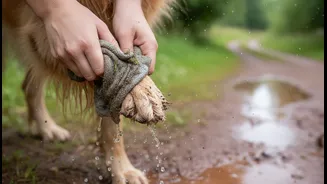
It's not just mud you have to worry about. Puddles and stagnant water on Indian streets can be a cocktail of contaminants. These can contain harmful bacteria like Leptospira, which spreads through the urine of infected animals and can cause leptospirosis, a serious and potentially life-threatening disease. Beyond bacteria, rainwater runoff can wash chemicals, pesticides, and other pollutants onto walkways, which can irritate your dog's sensitive paw pads. Preventing your dog from drinking from puddles is crucial, but contact alone is a risk, making the post-walk clean-up essential to wash away these unseen threats before they are licked off or cause a skin reaction.
Your Step-by-Step Cleaning Guide
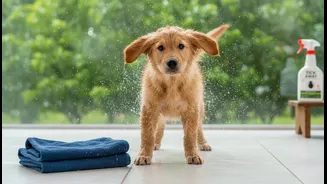
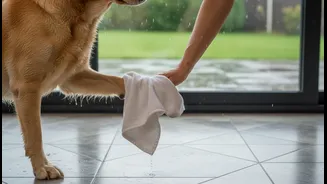
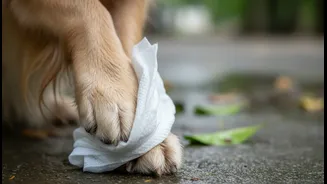
Integrating a paw-cleaning routine can take less than five minutes and makes a world of difference. The key is consistency. First, set up a dedicated cleaning station by your door with a towel, a basin of water, and your chosen cleanser. Use lukewarm water, as it's more effective at loosening mud than cold water. You can add a few drops of a pet-safe antiseptic solution, like one containing chlorhexidine, to the water for extra antibacterial action. Gently dip each paw, making sure to clean between the toes and around the pads where debris loves to hide. Pet-friendly wet wipes or no-rinse foam cleansers are also excellent, convenient options for less muddy days.
The Crucial Step: Thorough Drying
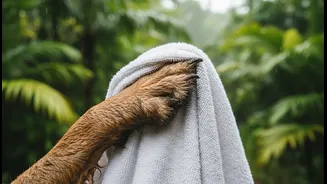
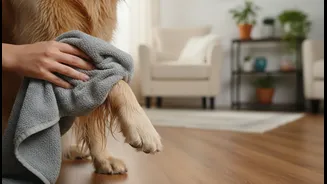
Washing the paws is only half the battle; drying them properly is just as important, if not more so. Trapped moisture is the primary culprit behind fungal infections during the monsoon. After washing, use a clean, highly absorbent towel—microfibre is a great choice—to pat each paw dry. Pay special attention to drying the crevices between each toe pad. For dogs with long fur, this step is non-negotiable, as their coats can trap dampness for hours. Some veterinarians even recommend trimming the hair between the paw pads to improve airflow and reduce the chances of debris getting stuck. This simple action significantly lowers the risk of developing painful infections.
Making It a Positive Experience
Some dogs may be resistant to having their paws handled. The goal is to make this daily ritual a calm and positive experience, not a struggle. If your dog is new to this, start slowly. Use plenty of praise and high-value treats to build a positive association. Let them get used to the cleaning station and tools first. For dogs who dislike water, a no-rinse foam or gentle wipes might be a less stressful alternative. By remaining calm and rewarding their cooperation, you can transform paw cleaning from a chore into a moment of bonding, ensuring they are happy, healthy, and ready for their next adventure, no matter the weather.