




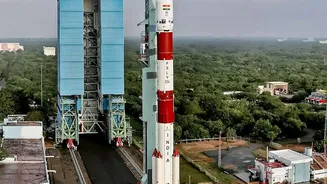


A Monumental Shift in Orbit
For most of its history, the Indian Space Research Organisation (ISRO) was the sole custodian of India's space ambitions. It designed the rockets, built the satellites, and ran the missions. Private companies were part of the ecosystem, but primarily
as suppliers and vendors, manufacturing components for ISRO. That model has been completely upended. Following landmark policy changes in 2020 and the introduction of the Indian Space Policy in 2023, the sector was thrown open. The new mandate is clear: ISRO’s role is to pivot from being the primary operator to becoming a guide and enabler for a new generation of private space entrepreneurs. The goal is to move private players from simply being suppliers to designing, developing, and launching their own missions, creating a self-sustaining commercial space industry.
IN-SPACe: The Single-Window Solution
At the heart of this new ecosystem is the Indian National Space Promotion and Authorisation Centre (IN-SPACe). Established as a single-window agency, its purpose is to streamline the notoriously complex process of getting a space mission off the ground. Instead of navigating multiple bureaucratic departments, startups can now turn to IN-SPACe for authorisations and support. This agency acts as a crucial interface, granting private companies access to ISRO’s invaluable resources, including its state-of-the-art testing facilities, launchpads, and technical expertise. By simplifying access and reducing red tape, IN-SPACe allows startups to focus their energy and capital on innovation rather than paperwork. The agency has already facilitated numerous authorisations and significant investment, signalling its central role in the sector's growth.
Unlocking the Technology Vault
One of the most significant ways ISRO is bolstering the ecosystem is through technology transfer. Decades of research have resulted in a vast portfolio of technologies, from rocket propulsion systems to advanced materials and satellite components. Through its commercial arm, NewSpace India Limited (NSIL), and facilitated by IN-SPACe, ISRO actively transfers these technologies to private firms. These transfers allow startups to build upon proven, space-tested innovations without having to reinvent the wheel. Technologies like special adhesives for solar panels and components for 3D-printed alloys, once confined to ISRO missions, are now finding their way into commercial products, driving both space and non-space applications. While some parliamentary panels have raised concerns about the pricing of these transfers, the clear intent is to spur domestic capability and reduce reliance on imports.
Hand-in-Hand to the Launchpad
Beyond policies and technology, ISRO is providing direct, hands-on support to startups. A prime example is its collaboration with Agnikul Cosmos for the suborbital launch of its Agnibaan rocket. ISRO's centres provided comprehensive assistance, from helping select the launch site and setting up the control centre to providing crucial weather data and ensuring range safety. Its experts also helped with hot-testing the engine and verifying the mission design. This deep level of collaboration is a powerful demonstrator of ISRO's commitment, offering startups the benefit of its immense operational experience. This mentorship reduces the technical risk for young companies and accelerates their path to successful missions, as seen with Skyroot Aerospace's historic private orbital launch in July 2026.
The Commercial Engine: NewSpace India Limited
While IN-SPACe is the facilitator, NewSpace India Limited (NSIL) is the commercial engine driving the ecosystem. Incorporated in 2019, NSIL’s mandate is to commercialise ISRO's products and services. This includes procuring launch vehicles like the PSLV from industry consortiums, marketing satellite-based services, and managing technology transfers. For startups, NSIL acts as a crucial partner and sometimes a client. For instance, it has signed agreements with startups like GalaxEye to market their satellite imagery, expanding their reach. It also procures services and hardware, as shown by its purchase order with Avantel Limited for satellite communication terminals. This creates a vital market and revenue stream for emerging companies.