







The Current Tariff Landscape
For years, the trade relationship between India and the United States has been a mix of major opportunity and significant friction. The US is one of India's largest trading partners, with total goods and services trade reaching nearly $240 billion in 2025.
However, this relationship has been punctuated by tariff disputes. India has maintained relatively high tariffs on a range of imported goods, a strategy linked to its 'Make in India' initiative designed to boost domestic manufacturing. This has been a point of contention for the US, with officials frequently highlighting these duties as barriers. Products like high-end motorcycles, premium agricultural goods such as apples and almonds, and certain technology products have faced steep import duties, making them significantly more expensive for Indian consumers. In response, the US has also imposed its own tariffs on Indian goods at various points, creating a cycle of trade tension that both nations are now eager to resolve.
What a New 'Different' Deal Could Change
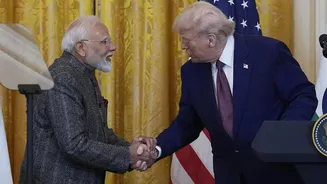
Recent statements from top US officials suggest a new trade agreement is not just on the horizon, but could be finalized in weeks. Crucially, President Donald Trump has stated the deal will be 'much different' from past pacts, signaling a potential overhaul rather than minor adjustments. The central change would likely involve a reciprocal reduction in tariffs. India would lower its duties on key US exports, and in return, the US would ease its tariffs on Indian goods. One report earlier in the year suggested a deal could reduce US tariffs on Indian products from a 25% punitive rate to around 18%, bringing it more in line with other Asian nations. Such a move would aim to level the playing field, making US products more competitive in the vast Indian market and providing Indian exporters with more predictable access to the American market. The focus appears to be on creating a more stable and balanced trade framework, moving away from the tit-for-tat tariff escalations of recent years.
Impact on Key Sectors
A reduction in tariffs would have a direct and immediate impact on several key sectors. For Indian consumers, it could mean lower prices for iconic American brands and technology. Think cheaper iPhones, more affordable high-performance laptops, and lower-priced electric vehicles. The medical device industry, which has faced price controls and other barriers in India, could also see significant changes. However, the impact isn't one-sided. Lower tariffs on US agricultural products, for example, would increase competition for India's domestic farmers. While this might lead to cheaper options for consumers at the grocery store, it could also pressure local producers to become more competitive. Similarly, while Indian IT and software services exports to the US are not directly affected by goods tariffs, a more stable trade relationship could boost investor confidence and further strengthen this vital sector. The deal would likely force a period of adjustment across industries as they adapt to new competitive pressures and opportunities.
The Bigger Economic Picture
Beyond specific products, a comprehensive trade agreement could have a broader ripple effect across the Indian economy. Analysts suggest that a reduction in trade uncertainty could help unlock a new cycle of private investment. For Indian businesses, the deal could mean more than just lower tariffs; it could also address non-tariff barriers—complex regulations, licensing requirements, and opaque customs procedures—that often prove more challenging than duties themselves. Addressing these would streamline trade, reduce costs for businesses, and make India a more attractive hub for global supply chains. However, some studies also caution that trade agreements can lead to a short-term worsening of the trade balance, with imports potentially rising faster than exports initially. The ultimate benefit will depend on the final details of the agreement and how effectively Indian industries leverage new market access and adapt to increased domestic competition.