






Thinking Beyond Regional Borders
Crafting a memorable pan-Indian meal is less about assembling a random collection of famous dishes and more about curating a conversation between them. Instead of thinking strictly in terms of geography—North, South, East, West—start thinking in terms of flavour
profiles, textures, and cooking methods. The goal is to create a whole that is greater than the sum of its parts, where each dish highlights the others. A successful meal offers variety in every bite, preventing palate fatigue and keeping the experience exciting from start to finish. This approach allows you to pair a dry vegetable dish from the West with a lentil curry from the East, united by shared principles of taste.
The Ancient Secret: Balancing the Six Tastes
A foundational concept in Indian cooking, rooted in Ayurveda, is the principle of 'Shad Rasa' or the six tastes: sweet, sour, salty, pungent, bitter, and astringent. A truly satisfying meal aims to include all of them. This philosophy is the ultimate tool for creating cohesion. For example, the natural sweetness of a pumpkin dish from Uttar Pradesh can be beautifully balanced by the sour tang of a tamarind-based rasam from Tamil Nadu. The pungent heat of a Rajasthani chilli pickle is cooled by a simple, salty yogurt raita. By consciously including these six tastes across your selection of dishes, you create a holistic and deeply satisfying experience that feels complete, regardless of the dishes' origins.
Harmony in Texture and Temperature
Cohesion isn’t just about flavour. A meal where every dish is a soft, heavy gravy can feel one-dimensional. The most memorable Indian meals offer a symphony of textures. Think about pairing a creamy, rich dish like a Paneer Makhani with something that offers a contrasting crunch, like a crispy bhindi (okra) fry or a fresh kachumber salad (chopped onions, tomatoes, and cucumber). Similarly, a 'wet' curry finds its perfect partner in a 'dry' vegetable preparation. Temperature also plays a key role. A cooling raita or a room-temperature chutney provides a delightful contrast to hot curries and freshly made breads, cleansing the palate and adding another layer of interest.
The Unifying Power of Staples
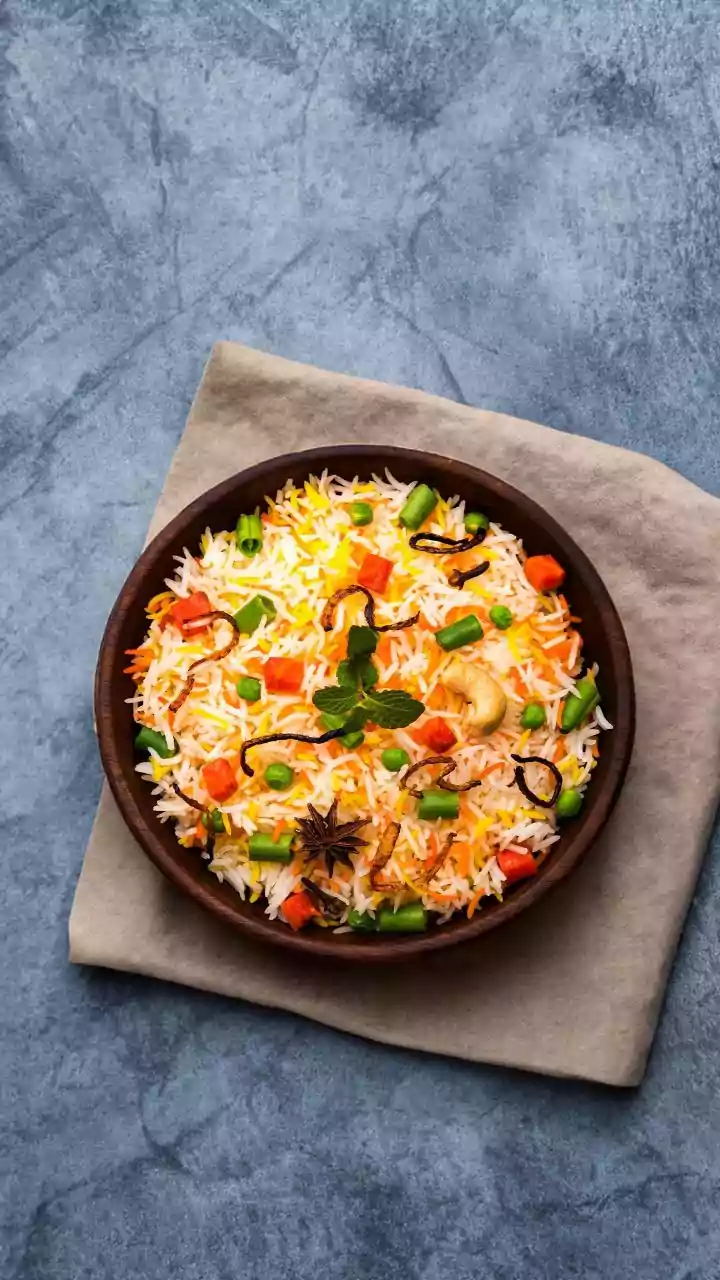
Never underestimate the role of the humble staples: rice and dal. A simple bowl of steamed Basmati rice acts as a neutral canvas, allowing the distinct flavours of each curry and side dish to shine without competing. Likewise, a straightforward dal, like a yellow dal tadka, can serve as a unifying thread. Its comforting, earthy flavour profile connects disparate dishes, providing a familiar baseline that ties the entire meal together. For many Indians, a meal of dal and rice is the ultimate comfort food, a nutritious and balancing foundation upon which more complex flavours are built.
A Sample Pan-Indian Menu That Works
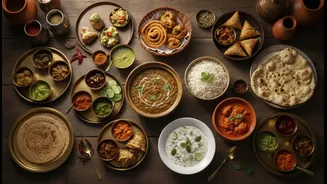
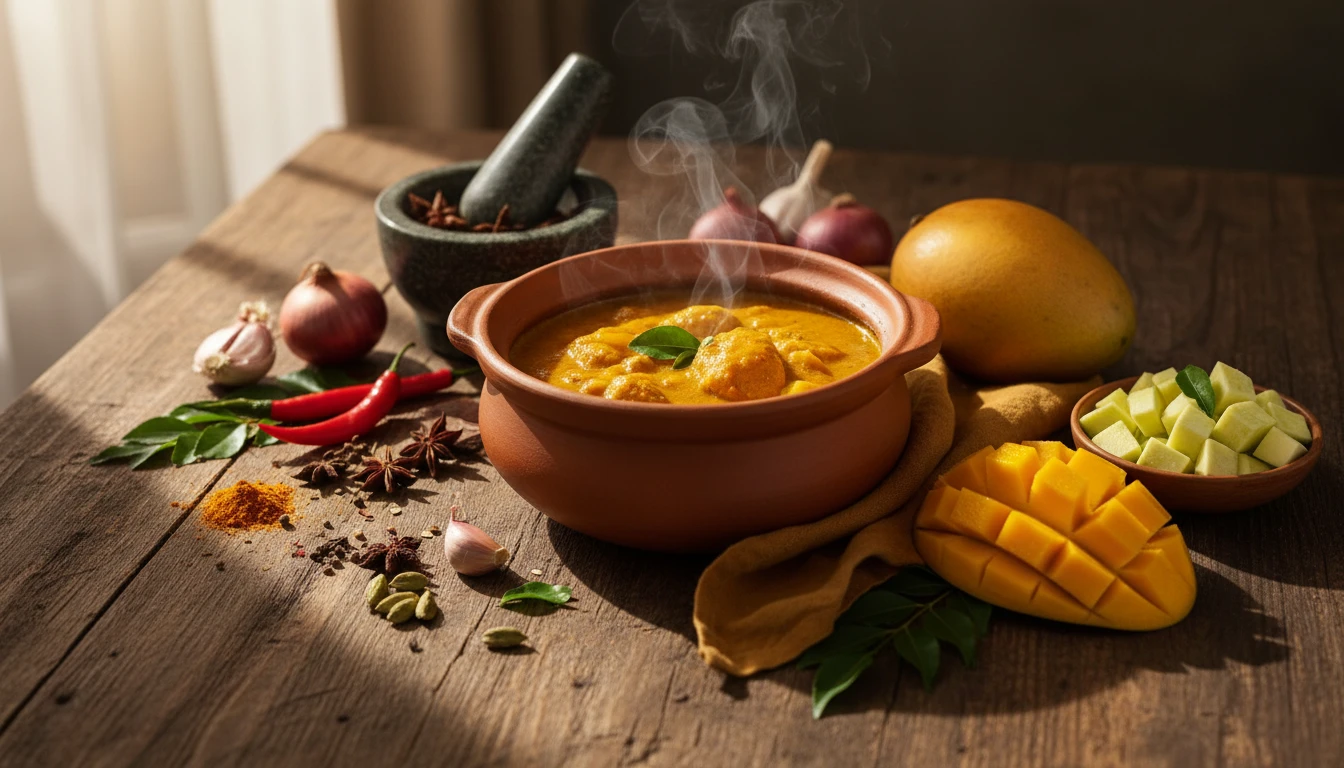
To see these principles in action, consider this menu. Start with a main course of a light, coconut-based Kerala Fish Curry (South). The tang and lightness will contrast beautifully with a rich, creamy Dal Makhani from Punjab (North). For a vegetable side, add a dry Aloo Gobi (potatoes and cauliflower) with North Indian spices. Serve this with plain Basmati rice to soak up the gravies and a simple cucumber raita to provide a cooling counterpoint. This meal works because it balances taste profiles (tangy, rich, spiced), textures (gravy, creamy, dry), and regions without creating chaos. Each dish has a distinct identity, yet they come together to form a harmonious and exciting whole.