




Why Festive Sweets Spoil
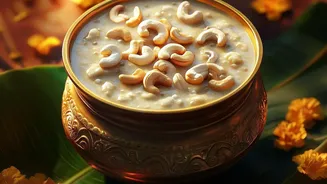
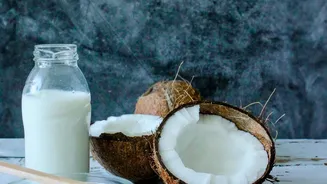
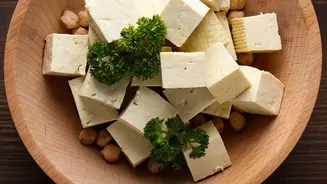
Many traditional Indian sweets, especially those central to Ganesh Chaturthi, are made with perishable ingredients. Milk, khoya (milk solids), fresh coconut, and paneer have high moisture content, creating an ideal environment for bacteria and mould to thrive.
This is particularly true in the warm and humid climate often present during the festival. Unlike dry sweets, these milk-based delicacies have a naturally short shelf life. Spoilage is caused by microbial growth and oxidation, where fats and oils in ingredients like ghee and nuts become rancid, leading to off-tastes and potential health risks. Even sweets prepared with the utmost hygiene can become contaminated during storage and handling.
High-Risk vs. Low-Risk Mithai
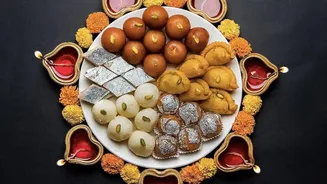
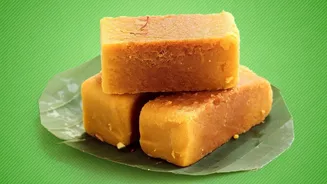
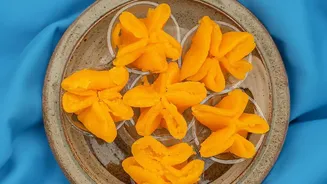
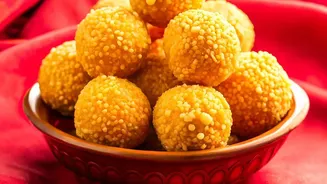
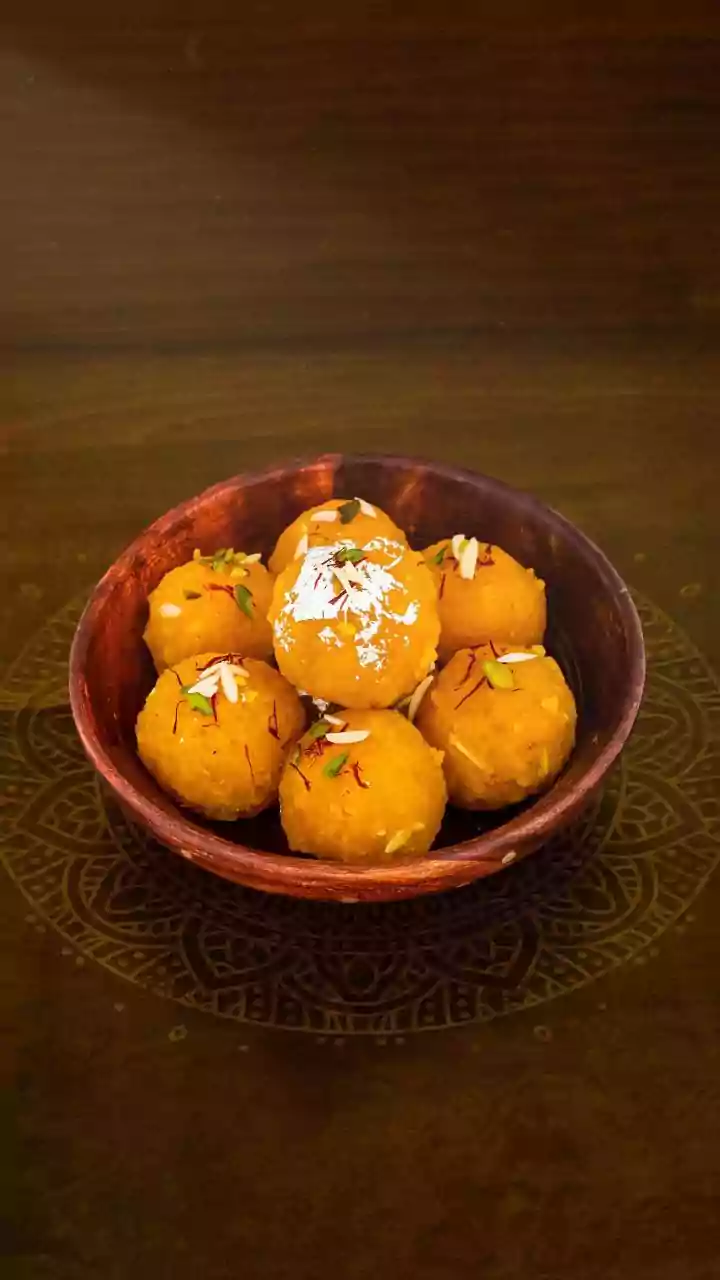
Not all sweets are created equal when it comes to spoilage. Understanding the difference is key to safe consumption. High-Risk Sweets (Consume within 1-3 days): These are typically milk or chhena-based and very moist. Think of Kalakand, Sandesh, Rasgulla, and fresh coconut modak. Khoya-based sweets like peda and milk barfi also fall into this category and should ideally be consumed within 24-48 hours unless refrigerated properly. Moderate-Risk Sweets (Consume within 4-7 days): Ladoos like Motichoor and Besan Ladoo, and some barfis have a slightly longer shelf life due to the use of gram flour, ghee, and sugar, which act as natural preservatives. However, they can still spoil, especially if they contain khoya. Low-Risk Sweets (Can last 7 days or more): Sweets made primarily from ghee, sugar, nuts, and dried fruits are the most stable. This includes Kaju Katli, Soan Papdi, and various dry fruit chikkis. When stored correctly in an airtight container, they can remain fresh for a week or even longer.
Recognising the Signs of Spoilage
Trust your senses to detect if a sweet has gone bad. The most common signs include: - Off Smell: This is the most reliable indicator. If the sweet smells sour, rancid, or has a fermented, alcohol-like odour, it's a clear sign of spoilage, especially in milk-based items. - Visible Mould: Look for fuzzy spots of green, white, or black fungus. This is common in moist sweets like peda and barfi. Do not just scrape it off; the contamination runs deeper than what's visible. - Change in Texture: Sweets might become unusually hard, dry, or slimy. A ladoo that was once soft might feel tough, or a barfi might develop a sticky, wet surface. - Sour or Bitter Taste: If you take a tiny bite and it tastes sour, bitter, or just “off,” spit it out immediately and discard the rest. An unpleasant taste is a strong warning that the sweet has spoiled.
The Dangers of Eating Spoiled Sweets
Eating contaminated sweets can lead to food poisoning, with symptoms that can ruin any festive occasion. Common symptoms include stomach cramps, nausea, vomiting, and diarrhoea, which can appear within hours or even days after consumption. In some cases, a fever may also develop. These illnesses are caused by bacteria like Bacillus cereus, which are frequently found in spoiled milk-based products. While most cases are mild, severe food poisoning can lead to dehydration and may require medical attention. During festivals, health authorities often issue advisories and increase inspections of sweet shops to prevent the sale of adulterated or expired goods.
Smart Storage for a Safer Festival
Proper storage can significantly extend the life of your festive treats. First, always let freshly made or purchased sweets cool to room temperature before storing them. Use clean, dry, and airtight containers, preferably made of glass or stainless steel for milk-based sweets. Milk-based and moist sweets like modak, peda, and kalakand must be refrigerated. They should be stored between 2°C and 5°C and consumed within a few days. Do not store different types of sweets in the same container, as the moisture from one can spoil another. For longer storage, many khoya-based sweets can be frozen. Dry sweets like besan ladoo and kaju katli are best kept at room temperature in a cool, dark place away from direct sunlight and humidity. Refrigeration can sometimes alter their texture. By following these simple rules, you can ensure your Prasad remains a blessing, not a health risk.