




A Landmark Steeped in History
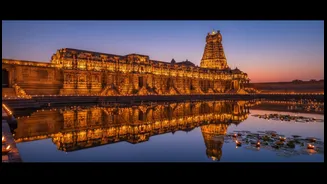
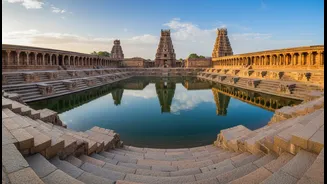
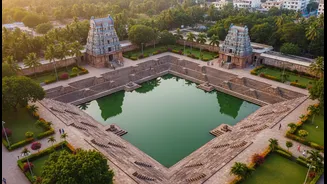
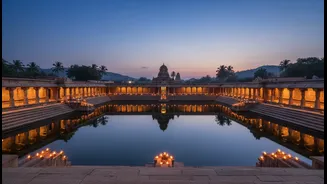
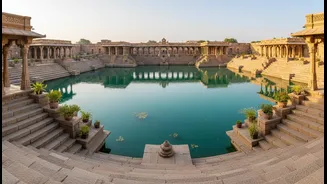
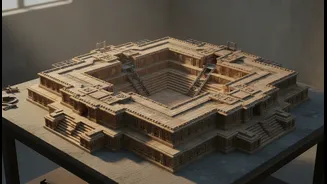
The Vandiyur Mariamman Teppakulam is more than just a temple tank; it's the historical and spiritual heart of Madurai. Constructed in 1645 by King Thirumalai Nayak, this massive 16-acre tank is the largest of its kind in Tamil Nadu. Legend holds that
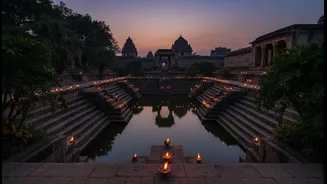
the earth excavated to build the grand Thirumalai Nayakar Mahal created the space for this tank, which was then ingeniously connected to the Vaigai River through underground channels. At its center sits a mandapam with a Vinayakar temple, creating a stunning visual. The Teppakulam is most famous for hosting the annual Teppotsavam, or Float Festival, a vibrant event celebrating the birth anniversary of King Thirumalai Nayak, where deities are taken on floats across the illuminated water.
What Is New: A Push for Restoration
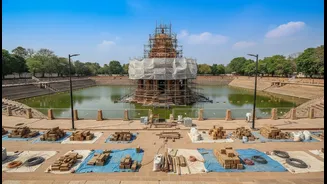
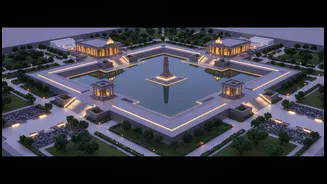
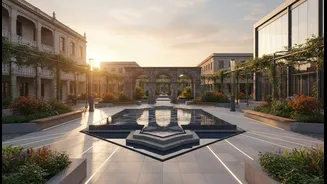
Recent developments have centered on calls from devotees and the public to address significant deterioration, particularly of the central pavilion's gopuram. In June 2026, devotees urged the state government and the Hindu Religious and Charitable Endowments (HR&CE) Department to undertake a comprehensive restoration of the historic tank and its structures. While a full-scale revamp project for the Madurai Teppakulam is in the planning and demand stage, similar restoration efforts at other temple tanks in Tamil Nadu, like the Rockfort Teppakulam in Tiruchi, offer a blueprint of what can be expected. Such projects typically involve extensive desilting to restore the tank's original depth, repairing damaged steps and structures, clearing encroachments, and improving water supply channels. Additionally, a recent news report mentioned plans for a food street and a broader tourism revamp around the Madurai Teppakulam to boost footfall, suggesting that beautification and creating recreational spaces are part of the larger vision.
What Matters: More Than a Makeover
The restoration of the Teppakulam holds immense significance beyond simple aesthetics. First, it is a matter of cultural preservation. The tank is a 17th-century architectural marvel and the stage for the world-renowned Float Festival, a key part of Madurai's spiritual identity. Ensuring its structural integrity preserves this living heritage for future generations. Second, there is a crucial ecological component. Temple tanks are vital for water management, helping to recharge groundwater and regulate the local microclimate in a dense urban setting. For years, the Float Festival's grandeur was diminished when the tank was dry, but when water levels are high, thanks to a functioning connection to the Vaigai, the entire ecosystem benefits and traditions can be fully honoured. Finally, the revamp impacts the local economy. A well-maintained Teppakulam attracts more pilgrims and tourists, boosting local businesses and reinforcing Madurai’s status as a premier heritage destination.
What Remains Unclear: The Road Ahead
While the demand for restoration is strong and clear, several questions about the project's execution remain. The primary uncertainty revolves around the official timeline and budget. Although devotees have made their appeals, a detailed project plan from the HR&CE Department, including a start date, phased execution strategy, and allocated funds, has not yet been made public. The specifics of the restoration—whether it will focus solely on the central mandapam or include a full desilting, structural audit of the 12 granite stairways, and modernization of the water channels—are also yet to be detailed. Another open question is long-term maintenance. As seen with similar projects, after the initial renovation, a sustainable plan is needed to prevent silt accumulation and encroachment, ensuring the tank doesn't fall back into disrepair. How the authorities plan to manage this and potentially involve the community will be crucial for the landmark's lasting revival.