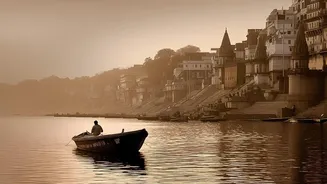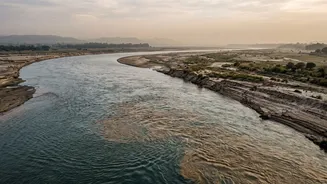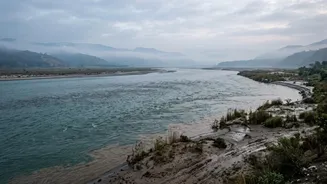








A landmark 30-year treaty governing one of South Asia’s most vital rivers is set to expire on December 12, 2026. The future of the Ganges Water Treaty between India and Bangladesh hangs in the balance, raising critical questions for millions.
What Exactly Is the Ganges Water Treaty?
Signed in
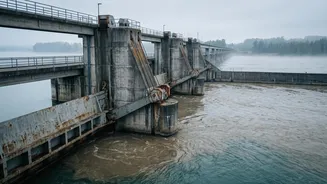
December 1996, the Ganges Water Treaty is a cornerstone of India-Bangladesh relations. It provides a detailed formula for sharing the river's water during the critical dry season, from January 1 to May 31 each year. The agreement centres on the Farakka Barrage in West Bengal, a structure India built about 18 kilometres from the border. The treaty dictates how much water India must release downstream to Bangladesh, based on the total flow available at Farakka. This arrangement was designed to bring predictability to a contentious issue, ensuring Bangladesh receives a fair share of water for its agricultural and environmental needs while acknowledging India’s requirements.
Why the Farakka Barrage Is Central
India constructed the Farakka Barrage, which became operational in 1975, primarily to divert water into the Hooghly river. The goal was to flush out silt and maintain the navigability of the Kolkata Port, which is vital for the region's economy. However, this diversion reduces the amount of water flowing into Bangladesh, where the Ganges is known as the Padma. For Bangladesh, the consequences of reduced flow are severe, including impacts on farming, fisheries, and increased salinity in its southwestern regions, particularly affecting the delicate Sundarbans mangrove ecosystem. The treaty was a diplomatic breakthrough intended to manage these competing interests.
What's at Stake for Both Nations?
For Bangladesh, the stakes are immense. Millions of people depend on the Padma for their livelihoods, from farming rice to fishing. Reduced water flow during the dry season has been linked to desertification in northern Bangladesh, lower crop yields, and a decline in river biodiversity. Bangladeshi officials are now pushing for a revised treaty that includes a guaranteed minimum amount of water and accounts for climate change, which is making river flows more erratic. For India, the treaty is a symbol of successful regional diplomacy. A stable, cooperative relationship with Bangladesh is a foreign policy priority. Domestically, India must also balance the needs of West Bengal, which relies on the Farakka diversion for its port and to manage water supply and erosion in districts like Murshidabad and Malda.
The Shadow of the Teesta Dispute
Complicating the Ganges negotiations is the long-unresolved issue of the Teesta River, another of the 54 rivers shared by the two countries. A proposed deal to share the Teesta's waters has been stalled since 2011, largely due to opposition from the West Bengal government, which fears water shortages in its northern districts. While the two treaties are separate, the failure to finalise the Teesta agreement has created a trust deficit. For many in Bangladesh, progress on the Ganges is linked to India's willingness to also find a fair solution for the Teesta, making it a persistent and politically sensitive backdrop to the current talks.
What Happens Now?
As the December 12, 2026, deadline looms, the path forward is uncertain. The 1996 treaty has no clause for automatic renewal. Recent reports indicate that while technical discussions have occurred within the Joint Rivers Commission (JRC), high-level political negotiations are yet to gain momentum. Bangladesh has formed a committee to lead negotiations and has expressed its desire to start formal talks, but India has maintained that the JRC is the proper channel for such discussions. Recent political changes in Bangladesh and strained diplomatic ties have added another layer of complexity. India has invited Bangladesh's new Prime Minister, Tarique Rahman, for a visit, which is seen as a necessary step before any top-level agreement can be reached, but no dates have been confirmed.