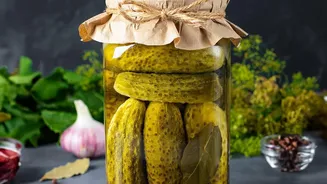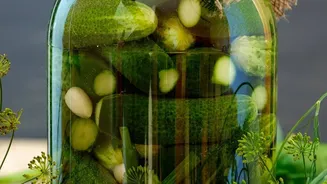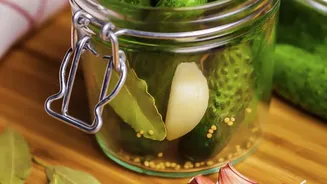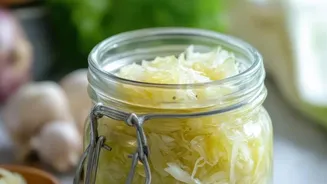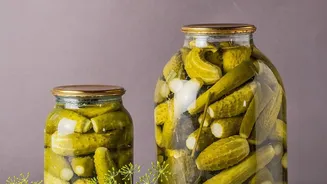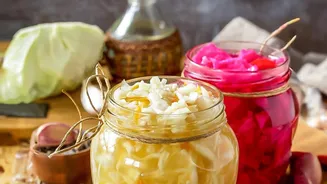

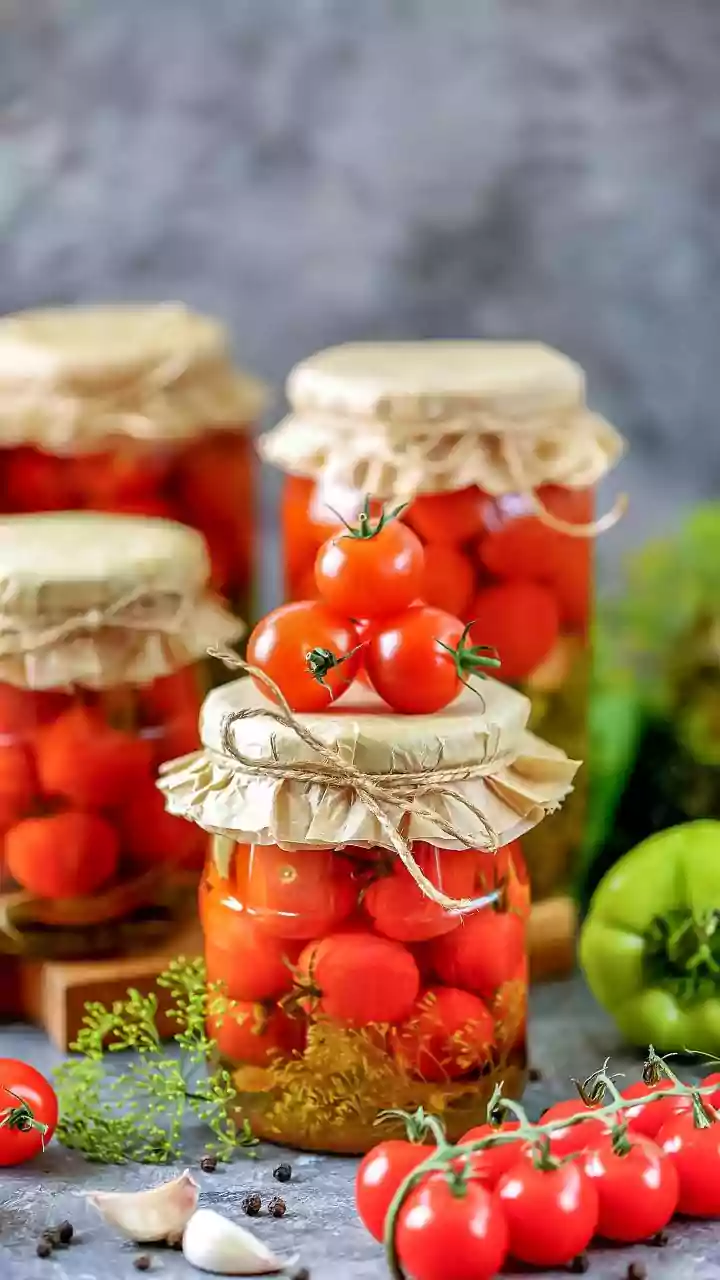
The Unseen Battle in Your Jar
When you make pickles, you're initiating a controlled preservation process. The goal is to create an environment where harmful bacteria, yeasts, and moulds cannot survive, while good bacteria (in fermented pickles) can thrive. Pickling relies on acidity
from vinegar and/or salt to prevent spoilage. However, if your jars or utensils introduce unwanted microbes from the start, you're setting up a battle that your brine might lose. These contaminants can lead to spoilage, off-flavours, and mushy textures. In the worst-case scenario, improper techniques can create an environment for dangerous pathogens.
Sterilization: Your First Line of Defence
Think of sterilization as creating a blank slate. Washing jars in hot, soapy water is a start, but sterilizing them—typically by boiling them or heating them in an oven—is what eliminates the microscopic contaminants that can ruin your hard work. If you are processing your pickles in a boiling water canner for 10 minutes or more, pre-sterilization isn't strictly necessary, as the canning process itself will sterilize the jar. However, for quick-process pickles or recipes with shorter processing times, it is a critical step. Even a tiny amount of unseen bacteria or mould can multiply in the jar, leading to cloudy brine, strange smells, or a layer of scum. It ensures that the only things growing in your jar are the things you want.
Beyond the Jar: Clean Utensils and Hands
The principle of cleanliness extends to everything that touches your pickles. Always use clean, dry spoons or tongs to handle pickles, both during preparation and when serving. Introducing a wet spoon or, worse, your fingers can add moisture and bacteria, compromising the carefully balanced acidic environment. This is especially important for Indian-style oil-based pickles, where moisture is the primary enemy. Likewise, using utensils made of non-reactive materials like stainless steel, glass, or unchipped enamelware is important, as materials like iron or copper can react with the acid and salt, causing discoloration.
The Critical Role of the Brine
A clean start allows the brine to do its job effectively. For safe pickling, the final product must have a pH at or below 4.6 to inhibit the growth of Clostridium botulinum, the bacterium that causes botulism. For this reason, it's vital to use commercially produced vinegar with a stated acidity of 5% and to follow tested recipes without altering the proportions of vinegar, water, and salt. Using homemade vinegar is not recommended because its acidity level is unknown and may not be sufficient to ensure safety. Using canning or pickling salt is also best, as table salt often contains anti-caking agents that can make your brine cloudy.
Storage: Locking in Flavour and Safety
Once your pickles are properly jarred and sealed, storage becomes the final piece of the puzzle. Unopened, shelf-stable canned pickles should be stored in a cool, dark, and dry place. Light and heat can cause the quality to degrade and colours to fade. Once a jar is opened, it must be refrigerated. Refrigeration slows down any potential microbial growth and helps maintain that desirable crisp texture. For all types of pickles, it's crucial to keep the contents fully submerged in the brine, as this protects them from exposure to air and potential contaminants.
How to Spot a Bad Pickle
Even with the best practices, spoilage can happen. Be vigilant and always check your pickles before eating. Telltale signs that a jar has gone bad include a bulging or leaking lid, which indicates gas production from unwanted microbial activity. Other warning signs are a fizzy appearance, mould on the surface, a mushy or slimy texture, or an unusual, 'off' smell that is more rotten than tangy. If you notice cloudy brine, it can sometimes be caused by hard water or anti-caking agents in salt, but if accompanied by any of these other signs, it's best to be safe. When in doubt, the safest motto is to throw it out.