



Moving Beyond the Buffet
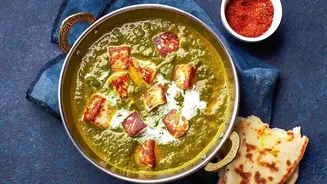
For decades, the perception of Indian food, both at home and abroad, was often limited to a familiar rotation of butter chicken, paneer tikka masala, and biryani. While beloved, these dishes represent just a fraction of the subcontinent's staggering culinary
diversity. Now, a new generation of chefs is leading a quiet but powerful revolution. They are moving past the “General Indian” menu and asking a simple question: what if the future of Indian food lies not in imitation, but in innovation rooted in its own soil? This movement is less about fusion for novelty's sake—like the once-trendy chicken tikka pizza—and more about a confident, contemporary reinterpretation of heritage. It’s a shift from explaining Indian food in Western terms to celebrating it on its own. The result is a dining landscape where authenticity and creativity are no longer competing forces, but partners in crafting a new culinary identity.
India's Hyper-Local Pantry
The heart of this new movement is a deep dive into India's own backyard. Chefs are championing hyperlocal produce, celebrating ingredients that are deeply tied to a specific region, season, and culture. Think of dishes built around the unique flavours of Bastar's red ant chutney, the smoky essence of Naga chillies, or the delicate Badaga cuisine from the Nilgiris. At pioneering restaurants, menus are becoming showcases for seasonality and provenance. Instead of imported luxury goods, the star is now a forgotten heirloom grain from a small farm or a foraged herb from the Himalayas. At Mumbai's Masque, for instance, chefs might transform prickly pear into a sorbet with ice apple and gondhoraj lime oil, while at Naar in Himachal Pradesh, the focus is on mountain cooking traditions like fermentation and foraging. This ingredient-first approach allows chefs to tell a story about a place, its people, and its history, one plate at a time.
The Global Toolkit
While the ingredients are fiercely local, the techniques are unapologetically global. Chefs are applying contemporary cooking methods to traditional Indian flavours to enhance textures and deepen complexity in ways previously unimaginable. Techniques like sous-vide, popular in fine-dining kitchens worldwide, are being used to create incredibly tender kebabs or to perfectly cook a piece of fish before it meets a traditional Indian gravy. Molecular gastronomy, once seen as a gimmick, is now used with purpose—creating a flavoured foam that captures the essence of a spice or an edible sphere that bursts with the taste of tamarind. Fermentation, a cornerstone of many Indian regional diets, is being explored with new scientific precision. This isn't about masking Indian flavours but amplifying them. It's about using a global toolkit to unlock new possibilities within an ancient culinary framework.
The Architects of a New Cuisine
This culinary evolution is being driven by visionary chefs across the country and the globe. Chefs like Manish Mehrotra of Indian Accent have long been celebrated for their avant-garde reinterpretation of classic dishes. In recent years, a new guard has emerged, with chefs like Prateek Sadhu, Varun Totlani, and Avinash Martins championing ingredient-led, sustainable menus that are winning international acclaim. The impact is also felt abroad, where chefs like Srijith Gopinathan, Ashish Tiwari, and the team behind Chai Pani are earning prestigious awards for presenting regional and contemporary Indian food that resonates with a global audience. These chefs are more than just cooks; they are culinary curators and storytellers who are helping to build a new narrative for Indian food, one that is sophisticated, diverse, and unapologetically modern.