








The Hidden Dangers in Damp Shoes
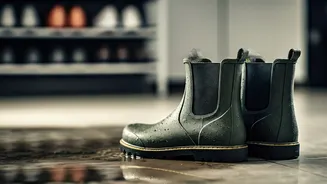
That squelching feeling after a sudden downpour or the lingering dampness from a sweaty, humid day is more than just uncomfortable. It’s a health hazard. Fungi, particularly the kind that causes athlete's foot (tinea pedis), thrive in warm, dark, and
moist environments. [5, 14] Your shoes, especially after a long commute, become the perfect incubator. These microscopic organisms can lead to itchy, scaly rashes, burning sensations, blisters, and cracked skin. [15, 23] If left untreated, these infections can be difficult to get rid of, spreading to toenails or even other parts of the body. [5, 6] For individuals with compromised immune systems or diabetes, a simple fungal infection can escalate into a more serious medical condition. [6]
Why Urban Commuters Are at Higher Risk
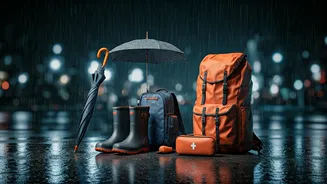
The life of an urban commuter in India presents a unique set of challenges that increase the risk of fungal infections. The monsoon season turns streets into obstacle courses of puddles, ensuring shoes get soaked. High humidity levels for a significant part of the year mean that nothing ever seems to dry completely. Crowded buses and trains, long hours spent in non-air-conditioned spaces, and extensive walking contribute to sweaty feet. [9] Wearing the same pair of closed-toe shoes day after day for work, without giving them a chance to air out, traps this moisture and creates a fungal paradise. [9, 14] Studies show that India has a significant burden of fungal diseases, and the conditions of a daily commute can easily contribute to this problem. [7, 18]
Your Action Plan for Dry Footwear
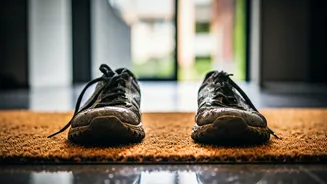
Preventing fungal infections starts with one simple rule: keep your shoes dry. [24] Here’s a practical guide. First, rotate your footwear. It's the most effective strategy. Owning at least two pairs of work shoes allows one pair a full 24 hours to dry out completely while you wear the other. [9, 13] If your shoes get soaked, act fast. Remove the insoles and laces to dry them separately. [3] Stuffing them with crumpled newspaper is a time-tested, effective method; the paper absorbs a remarkable amount of moisture. [2, 16] Replace the damp newspaper every few hours for best results. Placing shoes in front of a fan can also speed up the process significantly. [11] Avoid direct heat from heaters or blow dryers on a high setting, as this can damage the shoe material. [3]
Essential Foot Care Beyond the Shoe
Keeping your shoes dry is only half the battle; your feet need attention too. Wash your feet daily with soap and water, and, most importantly, dry them thoroughly, paying special attention to the area between the toes. [12, 25] If you have particularly sweaty feet, consider using an antifungal powder to absorb excess moisture. [14, 25] Change your socks daily, or even more often if they become damp. [9] Opt for socks made from moisture-wicking materials rather than cotton, which tends to hold moisture against the skin. [9, 22] If you work in an office, consider keeping a spare pair of dry socks and even a comfortable pair of open-toed footwear to change into once you arrive, giving your feet and your commuting shoes a much-needed break.