

The Power of Mindful Movement
Mindful yoga is more than just physical exercise; it's a practice of bringing harmony to your mind, body, and spirit. Unlike fast-paced workouts, it emphasizes present-moment awareness, non-judgment, and a deep connection with your breath. This combination
activates the body's natural relaxation response, which can help lower stress hormones like cortisol, reduce muscle tension, and calm the nervous system. By focusing on your physical sensations and the rhythm of your breathing, you create a space to observe your emotions without reacting to them, fostering greater self-awareness and emotional regulation.
Setting Up Your Sanctuary
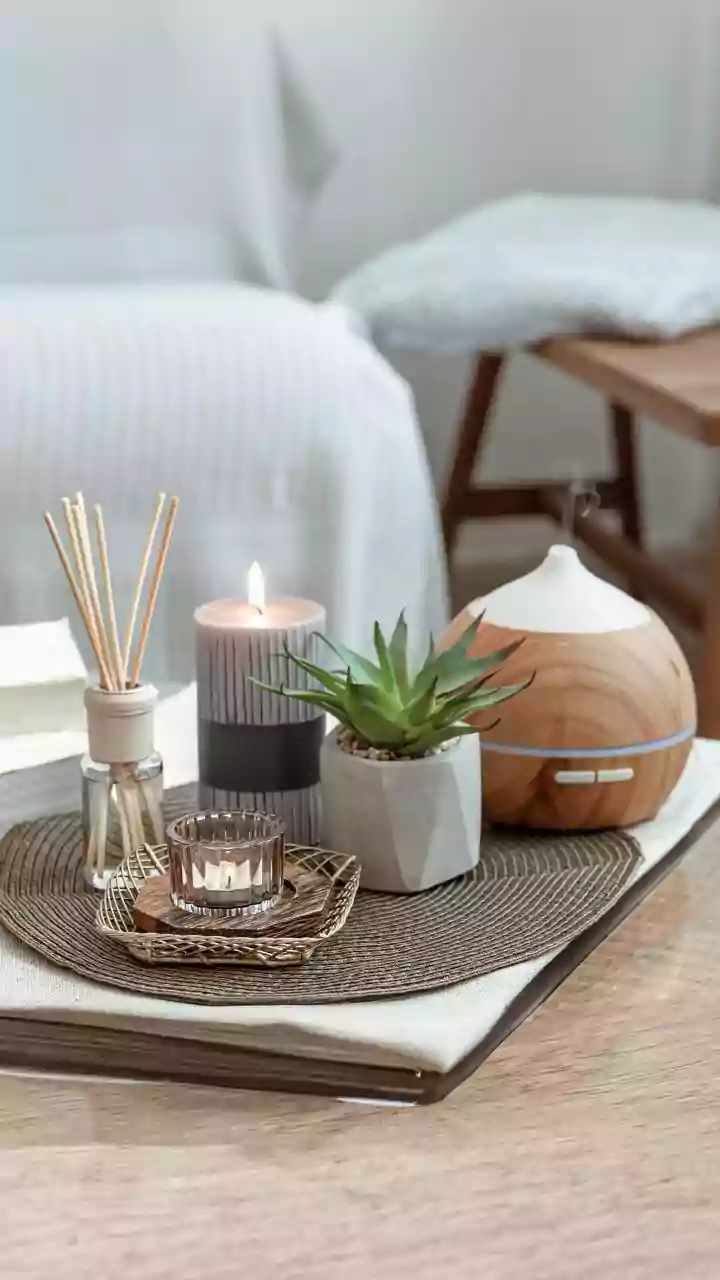
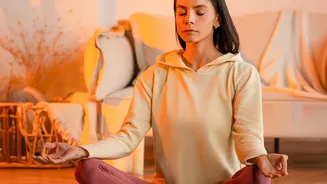
You don’t need a fancy studio to begin. Find a quiet corner in your home where you won't be disturbed for 15-20 minutes. Dim the lights, put on some calming music if you like, and roll out a mat or a comfortable blanket. The goal is to create an environment that signals to your brain it's time to slow down. Before you start moving, take a moment to sit quietly. Close your eyes and set a simple intention for your practice, such as “I will be kind to myself” or “I will release what I cannot control.”
The Flow: Begin with Breath
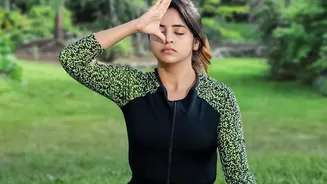
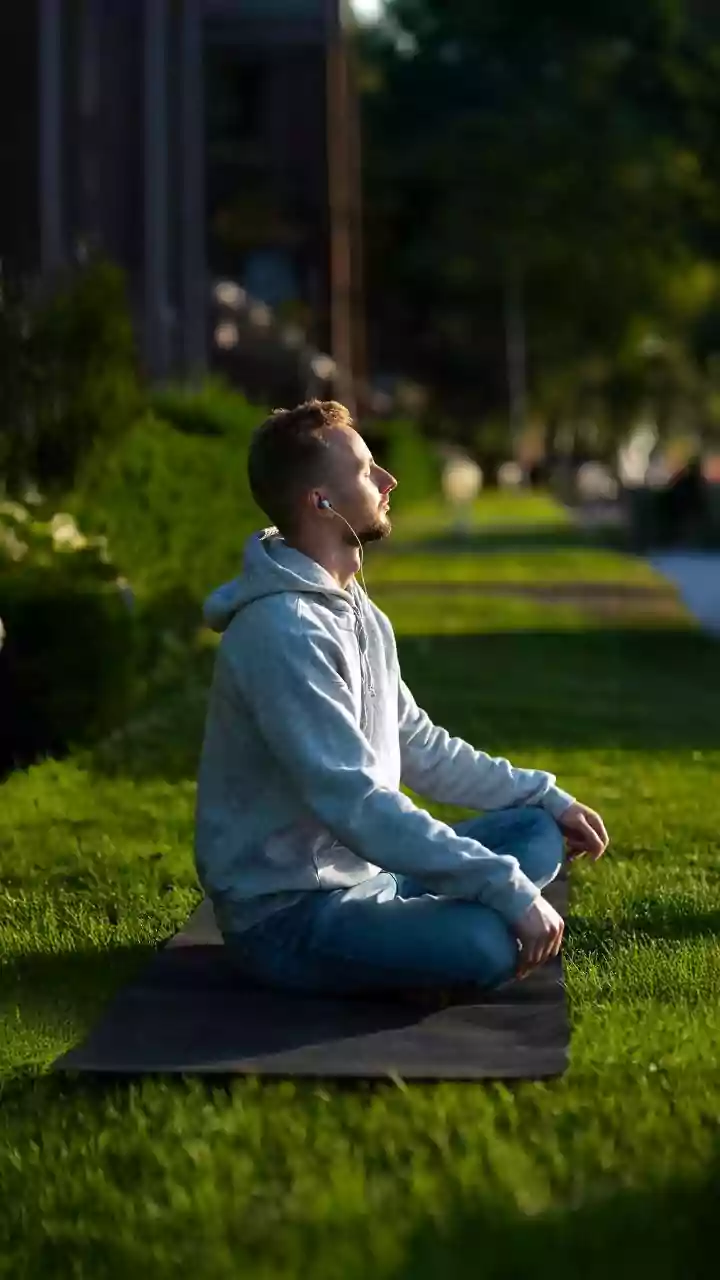
A mindful flow always starts with the breath. Stress often leads to fast, shallow breathing. Consciously slowing it down can have an immediate calming effect. Sit comfortably and try this simple exercise: Inhale slowly through your nose for a count of four, hold your breath for four, and then exhale slowly through your mouth for a count of four. Repeat this for 5-10 rounds. This technique, often called box breathing, helps regulate your nervous system and brings your focus inward, preparing you for movement.
The Flow: Gentle Warm-Up
Begin on all fours for Cat-Cow Pose (Marjaryasana-Bitilasana). Align your wrists under your shoulders and your knees under your hips. As you inhale, drop your belly, lift your chest and look forward (Cow). As you exhale, round your spine, press the mat away, and tuck your chin to your chest (Cat). Flow between these two poses for about a minute, syncing your movement with your breath. This simple sequence gently warms up the spine, releases tension in the back and shoulders, and encourages mindful connection between breath and body.
The Flow: Release and Surrender
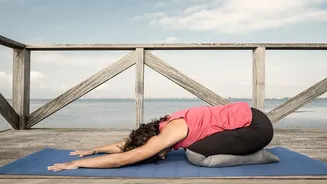
From all fours, bring your big toes to touch, widen your knees, and sit back on your heels, folding forward into Child’s Pose (Balasana). You can stretch your arms forward or rest them alongside your body. This is a resting posture with an immediate calming effect that gently stretches the hips and back. Breathe deeply into your back, feeling it expand with each inhale. Stay here for 5-8 breaths, allowing yourself to feel grounded and supported. This pose is excellent for quieting the mind and easing fatigue.
The Flow: An Inversion for Calm
A simple and restorative way to end your flow is with Legs-Up-The-Wall Pose (Viparita Karani). Sit on the floor with one hip against a wall. Gently swing your legs up the wall as you lie back on the floor, forming an 'L' shape with your body. Rest your arms by your sides with palms facing up. This pose helps calm the nervous system, facilitates lymphatic drainage, and can alleviate tired legs and feet. Close your eyes and focus on your breath for 3-5 minutes, letting go of any remaining tension.
Final Relaxation: Savasana
No yoga practice is complete without Savasana (Corpse Pose). Lie flat on your back, with your feet falling open naturally and your arms resting a few inches from your body, palms up. Close your eyes and release control of your breath. The purpose of Savasana is to integrate the benefits of the practice, allowing your body and mind to absorb the calm and quiet you have cultivated. Stay here for at least 5 minutes. Allow your body to feel heavy and relaxed, and simply be present in the stillness.