





The Allure and The Reality
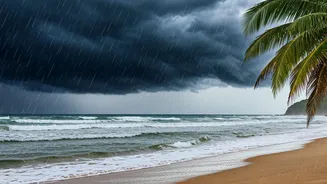
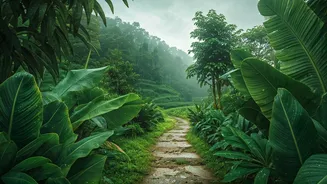
Visiting coastal destinations like Goa or Kerala during the monsoon offers a unique charm. The usual crowds thin out, hotel prices often drop, and the entire landscape transforms into a vibrant green paradise. It’s a chance to experience a more peaceful,
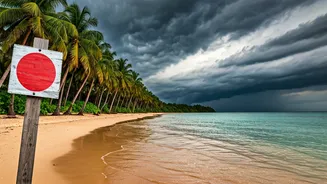
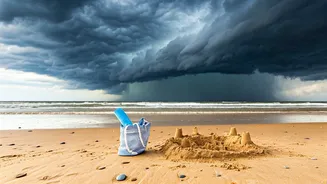
authentic side of these popular spots. However, the romance of the rain is coupled with practical hurdles. Heavy downpours can lead to waterlogged roads, travel delays, and the temporary closure of many seasonal businesses. This is not your typical sunbathing vacation; it’s an atmospheric retreat that demands a different, more adaptable approach to planning.
Embrace Flexible Accommodation
The single most important decision for a monsoon beach trip is your accommodation strategy. While pre-paid, non-refundable deals may seem tempting, they can become a costly trap. A sudden storm or a flooded access road could make reaching your hotel impossible. Instead, prioritise hotels, resorts, or guesthouses that offer flexible cancellation policies. Look for options that allow you to cancel or change your booking up to 24 or 48 hours before check-in. This gives you the freedom to alter your plans based on weather forecasts or unforeseen travel disruptions. It’s also wise to choose a stay with reliable on-site amenities, including a good restaurant, as you might find yourself spending more time indoors than expected.
Navigate the Shifting Food Scene
One of the biggest changes during the monsoon is the food landscape. The iconic beach shacks that line the shores of places like Goa are often dismantled and closed for the season. This means your dining options will be different. Instead of relying on beachside cafes, you’ll need to explore restaurants in the main towns or villages. Many hotels and resorts will have their primary restaurants open, and these can be excellent, reliable choices. In Goa, for example, traditional eateries in towns like Panjim or Mapusa continue to serve delicious local fare, offering a different but equally authentic culinary experience. Some travellers even opt for service apartments or homestays with kitchenettes, giving them the flexibility to prepare simple meals if venturing out becomes difficult.
Rethink Your Itinerary and Packing
Flexibility should extend beyond just bookings. While you might not be able to indulge in water sports, the monsoon opens up other opportunities. It's the perfect time to visit waterfalls, which are at their most spectacular, or explore spice plantations and lush hinterlands. Your packing list also needs a rethink. Prioritise quick-drying synthetic clothes over cotton. Waterproof footwear with a good grip is non-negotiable for slippery, uneven surfaces. Pack a reliable raincoat, an umbrella, and waterproof bags or covers to protect your electronic devices. Since power cuts can be more frequent during heavy rains, a power bank is an essential item to keep your phone charged.
Smart Monsoon Booking Checklist
To ensure a smooth trip, follow this simple checklist. First, always book refundable rates for stays and transport where possible, even if it costs a little extra. Second, call your hotel directly before your travel dates to confirm their operational status and ask about road conditions in the area. Third, research indoor activities or alternative sightseeing options near your destination as a backup plan. Fourth, for food, make a list of well-reviewed restaurants in the nearest town, not just on the beach. Finally, purchase comprehensive travel insurance that covers trip cancellations or interruptions due to weather, providing an essential safety net for your investment.