





From Tradition to Trend
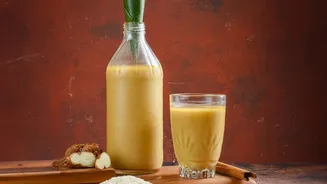
A fascinating shift is happening in India’s urban food scene. Traditional fermented beverages, once confined to home kitchens and rural communities, are making a stylish comeback. Drinks like the tangy, purple-hued Kanji, the earthy rice beer Handia,
and the mildly alcoholic Toddy are appearing on menus in trendy cafes and restaurants. This revival isn't just about nostalgia; it's driven by a growing interest in gut health, probiotics, and authentic, locally-sourced ingredients. Consumers, particularly in metropolitan areas, are increasingly seeking out food and drink with a story and a connection to wellness, moving beyond mass-produced options to embrace heritage.
A Sip of History
The practice of fermentation in India is ancient, with evidence of grain-based brews like Sura mentioned in the Rigveda, composed as early as 1500 BCE. These drinks were part of daily life, rituals, and medicine for millennia. Handia, a milky-white rice beer, has been a staple for tribal communities in states like Jharkhand and Odisha for centuries, often prepared by women who pass down the intuitive craft through generations. It is made with boiled rice and a fermenting agent called 'ranu', a combination of 20-25 local herbs. Similarly, Kanji, a North Indian staple, is a winter drink made by fermenting black carrots or beetroots with mustard seeds and water in the sun. Toddy, or palm wine, is another age-old drink, created from the fermented sap of palm trees and enjoyed across southern India for generations.
The Probiotic Powerhouse
The modern appeal of these ancient drinks lies in a single, powerful word: probiotics. The natural fermentation process involved in making beverages like Kanji creates beneficial bacteria, primarily Lactobacillus species. These microorganisms are essential for a healthy gut microbiome, which is linked to improved digestion, stronger immunity, and even better mental health. Kanji is a rich source of not only probiotics but also antioxidants, Vitamin C from carrots and beets, and minerals. It is celebrated for its ability to aid digestion, reduce bloating, and boost the body's defences. While traditionally a winter drink, its cooling properties also make it suitable for summer. In essence, these drinks were the original functional beverages, long before the term became a global wellness buzzword.
The Modern Makeover
The journey from village tradition to a cafe menu involves a delicate balance of authenticity and adaptation. Chefs and modern beverage brands are reinterpreting these drinks for a contemporary palate. While a traditional Handia is mildly tangy and meant to be sipped from earthen cups, modern interpretations might be clarified or infused with complementary flavours to appeal to urban tastes. Brands are packaging drinks like Kanji in convenient glass bottles, preserving their heritage while making them accessible to a wider audience. This trend is part of a larger movement towards embracing regional Indian ingredients like kokum and gondhoraj lime in modern mixology, creating a new beverage culture that is distinctly Indian yet globally appealing.