








What Exactly is Microgravity?
First, let's clear up a common misconception. Microgravity isn't 'zero gravity'. Gravity is everywhere, but in orbit, objects are in a constant state of freefall around the Earth. Imagine being in an elevator when the cable snaps—for those terrifying
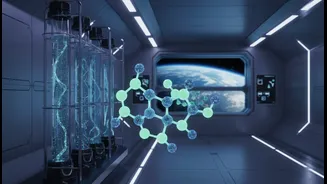
few seconds, you would feel weightless. That's the essence of microgravity. This near-weightless environment is a game-changer for scientists. On Earth, gravity influences everything; it causes heavier substances to settle, alters fluid dynamics, and affects how cells grow. By removing this dominant force, researchers can observe and manipulate biological and physical processes in ways that are impossible on the ground, revealing hidden properties and behaviors.
ISRO’s Foundational Push
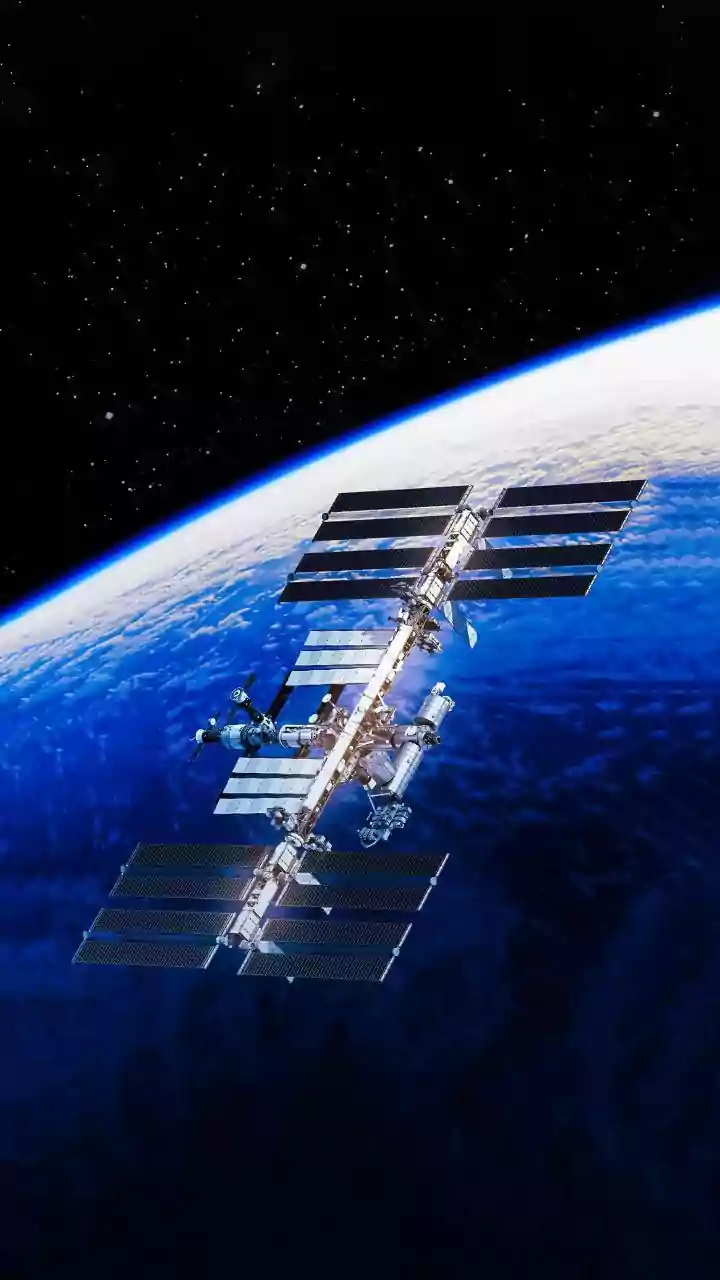
The Indian Space Research Organisation (ISRO) is at the forefront of this new frontier. For years, it has been laying the groundwork, and with the Gaganyaan programme, these efforts are accelerating. The missions are not just about sending humans to space; they are a platform for cutting-edge science. ISRO has been actively shortlisting experiments from the Indian research community to be conducted on future flights, including a landmark collaborative mission that will send an Indian astronaut, or 'Gaganyatri', to the International Space Station (ISS). These experiments cover everything from human health and life sciences to materials research, with each study undergoing rigorous ground-based evaluation before it is cleared for flight. Through initiatives like the IMEx-2026 'Announcement of Opportunity', ISRO is actively inviting proposals from scientists nationwide, building a robust ecosystem for space-based research.
The Rise of Private Pioneers
It isn't just ISRO reaching for the stars. A dynamic ecosystem of private Indian startups is emerging, spurred by government reforms and the creation of the Indian National Space Promotion and Authorisation Centre (IN-SPACe). Companies like Andhra Pradesh-based AnduraX are developing reusable re-entry vehicles designed specifically to support microgravity research and in-space manufacturing. Other startups are focusing on creating platforms for everything from space agriculture to pharmaceutical development. This commercial push is making microgravity research more accessible and affordable, allowing a broader range of scientists and industries to participate. The synergy between ISRO’s institutional strength and the agility of these private players is creating a powerful engine for innovation.
Unlocking Benefits on Earth
The ultimate goal of this research extends far beyond space. In medicine, microgravity allows for the growth of larger, more perfect protein crystals, which is crucial for designing new drugs to fight diseases like cancer. It also provides a unique model for studying muscle degeneration and aging, with experiments on the ISS already yielding insights that could help treat muscular dystrophy on Earth. In materials science, creating metal alloys without the effects of sedimentation can lead to stronger, lighter materials for industries back home. Even agriculture stands to benefit, with studies on how seeds sprout and grow in space offering lessons for creating more resilient crops in extreme environments on our own planet.
Paving the Way for Human Spaceflight
For India’s human spaceflight ambitions, including the Gaganyaan mission and the planned Bharatiya Antariksh Station, microgravity research is non-negotiable. Long-duration missions are tough on the human body; muscles atrophy, and bones lose density. Experiments conducted on the ISS by Indian astronauts study everything from how to counteract these effects to the cultivation of sustainable food sources like microalgae and cyanobacteria for life support systems. Understanding how astronauts interact with computer systems in a weightless state is also critical for designing user-friendly spacecraft controls for future missions. Every experiment provides another piece of the puzzle, ensuring Indian astronauts can live and work safely in space for extended periods.