



The New Rules of Snacking
Snacking in India is no longer just a filler between meals; it has become an integral part of daily eating habits, reflecting the country's changing lifestyles. For generations, taste and tradition were the primary drivers. Today, a new set of priorities
is reshaping the market. Compressed urban lifestyles, rising health consciousness, and a greater desire for transparency are creating a 'snacking renaissance'. Consumers are not necessarily abandoning traditional flavours, but are seeking them in newer, more functional forms. This shift is fuelling a healthy snacks market projected to grow significantly, with some estimates suggesting a compound annual growth rate (CAGR) of nearly 10%, faster than the global average. This evolution is less about replacement and more about expanding the menu of choices available.
The Mainstream Appeal of Protein
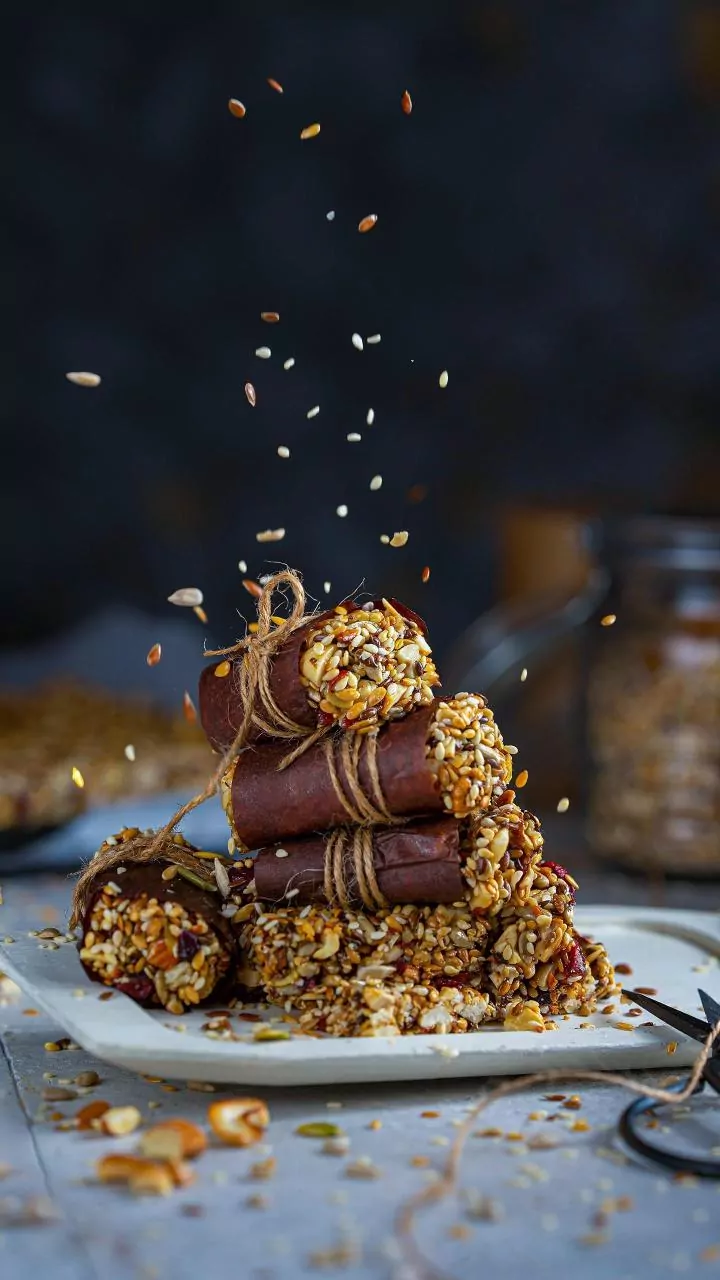
Protein has officially moved from the niche domain of fitness enthusiasts to the mainstream Indian consumer. A recent report found that a staggering 86% of Indian consumers consider protein an important factor when choosing a snack. This heightened awareness is driven by a desire for functional foods that provide sustained energy, support muscle health, and offer greater satiety. In response, the market is flooded with high-protein options that go far beyond protein bars. Traditional ingredients like besan (chickpea flour) are being celebrated for their natural protein content. Meanwhile, products like Greek yoghurt, nut butters, makhana (fox nuts), and snacks fortified with plant-based proteins from peas and lentils are becoming increasingly common.
Convenience for a Life on the Go
As India's workforce navigates longer hours and busier schedules, convenience has become non-negotiable. The demand for portable, on-the-go nutrition has surged, transforming ready-to-eat and instant foods from emergency options into deliberate daily choices. This need for speed and ease is met with single-serving packs, resealable bags, and products that can be consumed with minimal preparation. The growth of quick commerce platforms has further accelerated this trend, making a wide variety of snacks accessible within minutes. Brands are innovating with formats like baked chips, millet-based puffs, and fruit-based bites that are easy to carry and consume anywhere, catering directly to the time-pressed urban professional and busy household.
Reading the Fine Print
Today's consumer is more informed and inquisitive than ever, paying close attention to ingredient lists and nutritional information. This has sparked a "clean label" movement, with a strong preference for snacks that are free from artificial additives, preservatives, and excessive processing. A recent study noted that 64% of Indian consumers actively seek out clean-label products. Shoppers are looking for terms like "baked, not fried," "no palm oil," and "natural sweeteners." This transparency-first mindset has also boosted the popularity of traditional and ancient ingredients perceived as inherently healthy, such as millets (jowar, bajra, ragi), turmeric, and Ayurvedic herbs.
How Brands Are Responding
This consumer-led evolution has triggered a wave of innovation across the food industry. A slew of nimble Direct-to-Consumer (D2C) brands have emerged, quickly capturing niche markets with specialized products like keto-friendly snacks, vegan options, and protein-fortified traditional sweets. These startups are leveraging digital platforms to build communities and cater to specific dietary needs. At the same time, legacy food giants are not standing still. Many are reformulating their classic products to offer healthier versions, reducing sugar and salt, or launching entirely new product lines dedicated to wellness. The result is a dynamic and competitive market where both heritage and innovation are vying for a share of the modern Indian snack plate.