





Start with Your Spice Tin
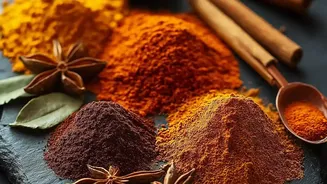
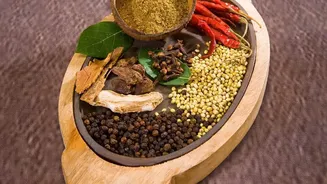
The most common culprit for lacklustre flavour is stale spices. Spices get their character from volatile essential oils, which evaporate over time. If your turmeric, coriander, and cumin have been sitting in your pantry for years, they've likely lost
their potency. An old spice won't make you sick, but it won't make your food taste good either. There's a simple test: take a pinch of a ground spice and rub it between your fingers. If you don't get a strong, fragrant scent, it’s time to replace it. Noticeable fading in colour is another tell-tale sign of age. For the most vibrant aroma, buy whole spices and grind them in small batches as needed. Whole spices, like cumin seeds or cardamom pods, have a much longer shelf life than their ground counterparts because their essential oils are better protected. Store all your spices in airtight containers away from heat, light, and moisture to keep them fresh for longer.
The Magic of a Good Tempering
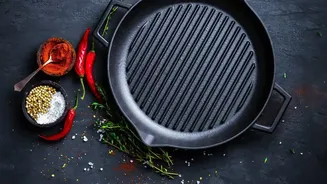
Tempering, known as 'tadka' or 'chaunk', is a foundational technique in Indian cooking that creates an instant flavour explosion. It’s the process of blooming whole or ground spices in hot fat—like ghee or oil—to unlock their essential oils before adding them to a dish. This can be done at the beginning of the cooking process to build a flavour base or poured over the top of a finished dish like dal or raita for a final flourish of aroma. The key is getting the temperature of the fat right. It needs to be hot enough to make the spices sizzle and crackle the moment they hit the pan, but not so hot that they burn, which will impart a bitter taste. A good test is to drop in a single cumin or mustard seed; if it sizzles immediately, the oil is ready. The order of ingredients matters, too. Always add whole spices first, as they take longer to cook, followed by aromatics like garlic or ginger, and finally, delicate ground spices which can burn quickly.
Build Flavour in Layers
Aromatic Indian food is not about one single step, but a careful layering of flavours. Many recipes begin with a tadka of whole spices, but the process doesn't stop there. Next come the aromatics: onions, ginger, and garlic, which are sautéed until they soften and lose their raw smell. This is followed by the 'bhuna' technique, a crucial stage where you slowly sauté your masala base—often including tomatoes and ground spices—until it thickens, deepens in colour, and the oil begins to separate from the mixture. This slow, patient cooking removes any raw taste from the powdered spices and melds all the individual flavours into a harmonious, complex base. Rushing this step is a common mistake that results in a dish that tastes flat or of individual, uncooked spices. This well-cooked masala base is what gives a curry its body and deep, resonant flavour.
Finishing Touches Matter
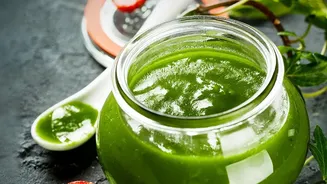
The aroma doesn't just come from the cooking process; it's also about how you finish the dish. Many professional chefs and home cooks add a 'finishing masala', like a pinch of garam masala, right at the end of cooking, after the heat has been turned off. The residual heat is enough to release the aromas of the delicate spices in the blend without cooking them, providing a final, fresh burst of fragrance. Similarly, fresh herbs play a vital role. A generous handful of freshly chopped coriander or mint leaves added just before serving introduces a bright, fresh scent that cuts through the richness of the cooked spices. Finally, don't underestimate the power of acid. A simple squeeze of lemon or lime juice over a finished dal or biryani can awaken all the flavours, making the entire dish taste more vibrant and aromatic without necessarily making it sour.