


An Antidote to Tourist Traps
Today’s young travelers, particularly those from Gen Z and the millennial generation, are driven by a quest for authenticity. They are moving away from generic, checklist-style tourism and towards immersive experiences that offer a genuine connection
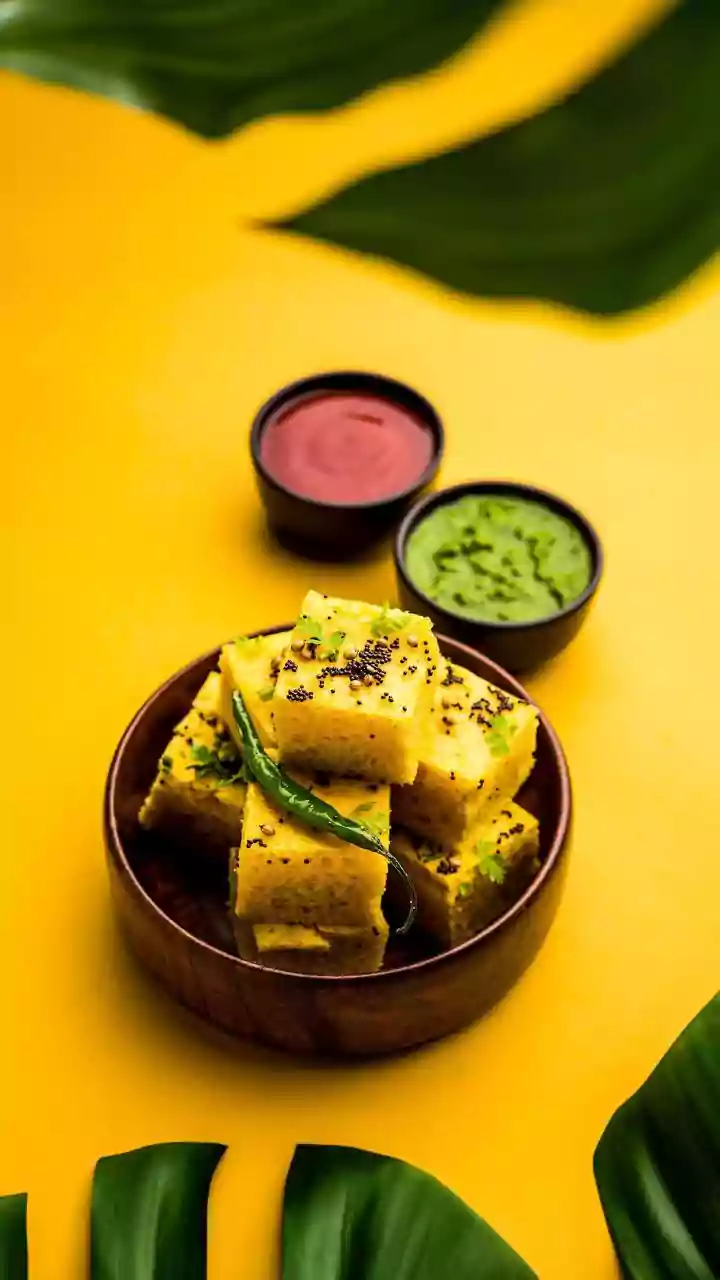
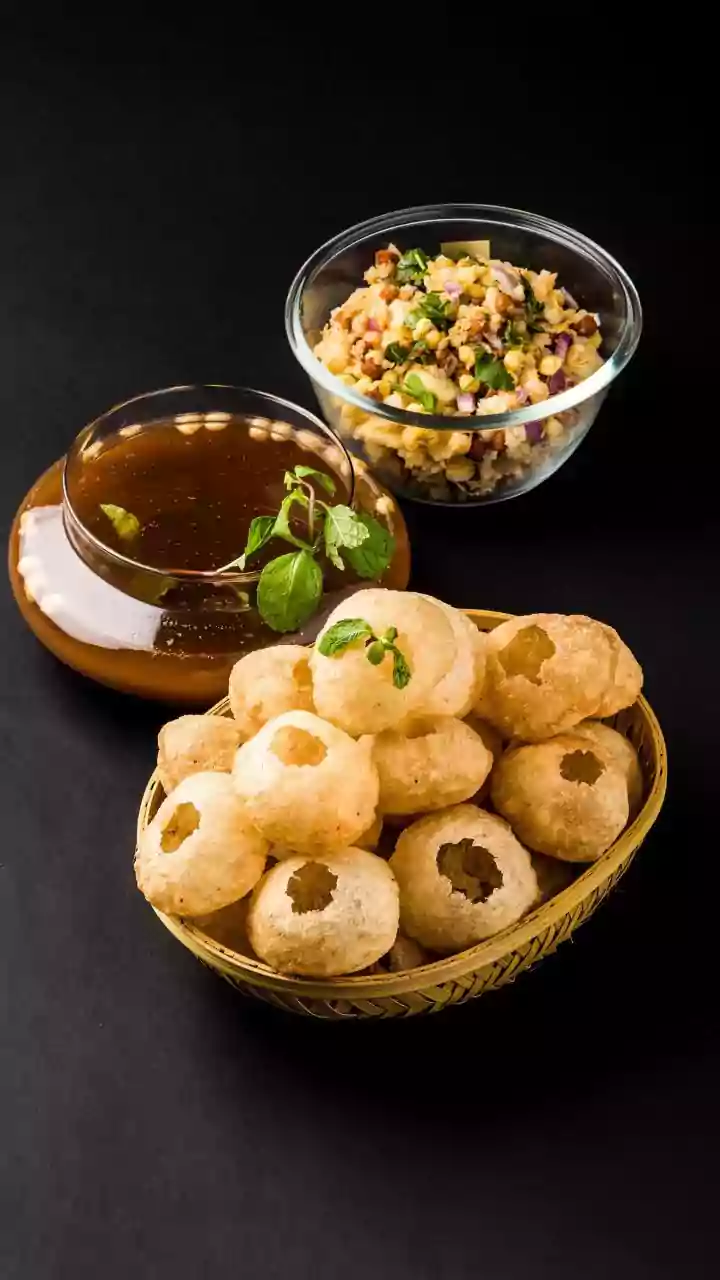
to a place. A food tour, led by a local guide, is the perfect vehicle for this. It offers a curated path away from the tourist-trap restaurants that dominate search engine results and into the hidden-gem eateries, neighbourhood markets, and street food stalls that locals actually frequent. This isn't just about eating; it's about understanding culture through cuisine. Travelers get to hear the stories behind recipes, learn how a dish reflects the city’s history, and taste flavours they would likely never discover on their own. Over 80% of travelers now prioritize these kinds of local food experiences.
Connection Without the Commitment
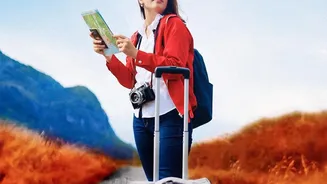
Traveling alone offers unparalleled freedom, but it can also be lonely. Food tours provide an elegant solution. They offer built-in companionship and a low-pressure social environment. For introverted or shy travelers, this can be a huge relief, eliminating the anxiety of having to approach strangers to make a connection. Sharing a meal is a universal human experience, and bonding over new tastes creates an instant sense of community among a small group of like-minded people. Many tours are now even designed exclusively for solo travelers. This shared experience fosters natural conversation and can lead to new friendships, turning a solitary journey into a shared adventure without any long-term social obligations.
Safety, Simplicity, and Structure
For a solo traveler in an unfamiliar metropolis, safety is a primary concern. A group tour provides an immediate sense of security. Navigating a foreign city, deciphering menus, and avoiding potential food safety issues can be intimidating, especially for solo women travelers. A guided food tour removes this decision fatigue. The logistics—from choosing reputable vendors to navigating backstreets—are handled by an expert. This allows the traveler to relax and fully immerse themselves in the experience without worrying about getting lost or making a poor dining choice. The structure of a tour, typically lasting a few hours, makes it a manageable and efficient way to get acquainted with a city's layout and culture on the first day, providing confidence and a list of trusted spots to revisit later.
A Gateway to Deeper Exploration
Experiential travel in India is a booming market, projected to reach significant figures by 2027, largely driven by travelers aged 18-35. This demographic is increasingly making independent travel decisions and prioritizing unique activities over traditional sightseeing. Food tours serve as a gateway to this deeper exploration. Many now include interactive elements like mini cooking classes, where participants can learn to make a local dish themselves. This hands-on approach creates lasting memories and a more profound appreciation for the local culture. Furthermore, these tours provide rich content for social media, but unlike a simple photo of a landmark, a food story is personal and engaging. It’s a way to share not just where you’ve been, but what you’ve learned and tasted, turning a simple trip into a compelling narrative.