







Collapse Over a Single Phrase
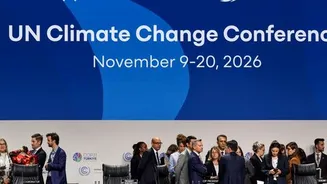
The entire summit, which brought together nearly 200 nations, ultimately failed over the refusal to include any mention of 'fossil fuels' in the final agreement, known as the Antalya Pact. Early drafts had included language to accelerate the 'transition
away from fossil fuels', but this was removed in later versions, reportedly after objections from oil-producing nations. This omission was deemed a red line for many, including the European Union, the UK, and a coalition of climate-vulnerable nations. The EU stated it would not endorse a cover decision that 'greenwashes fossil fuels' or moves backwards on previous commitments. UN Secretary-General António Guterres expressed deep disappointment at the failure to reach consensus, a sentiment echoed by climate advocates.
India's Stand on Equity and Finance
India played a significant role in the negotiations, forcefully bringing the issue of historical responsibility to the forefront. Indian representatives argued that the draft texts did not adequately reflect the principles of equity and 'Common but Differentiated Responsibilities' (CBDR-RC), which holds that developed nations, responsible for the bulk of historical emissions, should lead in climate action. A key point of frustration for India and other developing countries was the lack of concrete progress on climate finance. India's delegation stated that developed country partners had refused to engage meaningfully on the issue, which they described as 'dead in the water'. While India seeks to decarbonise, it maintains that this must be supported by finance and technology from developed nations and cannot come at the cost of its development priorities.
A Summit of Divisions and Disappointment
The collapse marks the first time a UN climate summit has ended without an agreement since Copenhagen in 2009. The failure in Antalya highlights the profound division between nations demanding an urgent, managed phase-out of fossil fuels and those resisting such explicit commitments. Developing countries were also left deeply disappointed by the lack of a specific new target for adaptation finance, after a proposed $120 billion goal was removed from the text. Protests and interruptions marked the tense final sessions, with one demonstrator shouting 'you are killing the future' at the COP31 President. The outcome has been described by various parties as a 'profound disappointment', a 'major setback', and a failure to meet the urgency of the climate crisis.
What Was Actually Agreed?
Despite the failure to adopt the main political pact, the extended summit was not a total loss. Negotiators did manage to find consensus on several other important, more technical issues. Progress was made on the 'just transition' work programme, which focuses on ensuring fairness for workers and communities as economies shift away from fossil fuels. Agreements were also reached on aspects of carbon markets and strengthening support for communities facing climate impacts. Several voluntary initiatives also moved forward, including a push for faster electrification, with many countries backing a target to raise electricity's share of global energy use to 35% by 2035. However, these smaller wins were overshadowed by the central failure on the summit's main declaration.