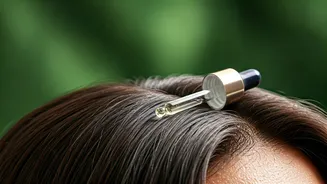









Why Your Scalp is the Culprit
During the monsoon, humidity levels spike, creating a perfect storm for scalp issues. [3] This warm, damp environment is a breeding ground for fungi and bacteria. [18] Your scalp's sebaceous glands go into overdrive, producing excess oil that traps dirt,
sweat, and pollutants from rainwater. [4, 10] This disrupts the scalp's natural pH balance, leading to common problems like dandruff, itchiness, fungal infections like folliculitis, and increased hair fall as follicles get clogged and weakened. [2, 4, 10] The fungus Malassezia, responsible for dandruff, thrives in these conditions, which is why flakes and itching often worsen during this season. [5, 6]
Cleanse Correctly and Consistently
While you might be tempted to wash your hair daily, this can strip natural oils and cause issues. For most, washing your hair 2-3 times a week with a mild, sulphate-free shampoo is ideal. [4, 24] This removes buildup without being harsh. [10] If you get drenched in rain, it's crucial to at least rinse your hair with clean water as soon as possible to wash away pollutants, followed by a proper shampoo. [11] Never let rainwater sit on your scalp. [8]
Choose a Targeted Shampoo
Your regular shampoo might not be enough. During the monsoon, consider switching to one with anti-fungal or clarifying properties. [16] Look for ingredients like ketoconazole, salicylic acid, or zinc pyrithione, which are effective at controlling the fungus that causes dandruff. [16, 25] For a more natural approach, shampoos containing antimicrobial ingredients like tea tree oil or neem can also be highly beneficial for keeping the scalp microbiome balanced. [12, 24]
Don't Skip the Conditioner (But Apply It Smartly)
Conditioning is mandatory to combat frizz and prevent tangles, which can lead to breakage. [11] However, the application is key. Avoid applying conditioner directly to your scalp, as this can add to the oiliness and buildup. [21] Instead, focus on the mid-lengths and ends of your hair, which need the moisture most. A lightweight formula is better than a heavy, creamy one during this humid season. [12] After conditioning, a final rinse with cold water can help seal the hair cuticle for extra shine. [8]
Master Your Drying Technique
A damp scalp is a welcome mat for fungal infections. [15] Never tie up wet hair or sleep with it damp. [2, 15] After washing, gently squeeze out excess water with a soft microfiber towel to reduce friction and breakage. [2] While air-drying is good, it's more important to ensure your scalp is completely dry. [12] If you must use a blow dryer, use it on a cool setting and focus on drying the roots first. [16]
Rethink Your Oiling Routine
Heavy oil massages left overnight can be counterproductive in the monsoon, trapping moisture and clogging pores. [15] Instead of heavy oils like castor oil, opt for lighter alternatives like jojoba or almond oil. [2, 16] Limit the application to just 30-60 minutes before you wash your hair. [11, 24] This short-contact therapy provides nourishment and improves circulation without contributing to a greasy, infection-prone scalp. [8]
Nourish From the Inside Out
Scalp and hair health begin with your diet. [2] Ensure you are eating a balanced diet rich in protein, iron, biotin, and zinc, which are essential for strong hair roots. [20] Foods like eggs, spinach, nuts, lentils, and seasonal fruits can help combat hair fall from within. [2, 20] Staying hydrated by drinking plenty of water is also crucial, but try to cut down on caffeine as it can be dehydrating. [8]