


The Shifting Mountainscape
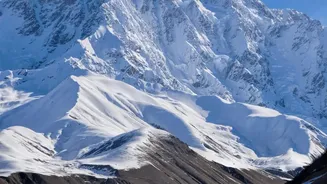
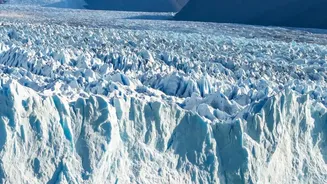
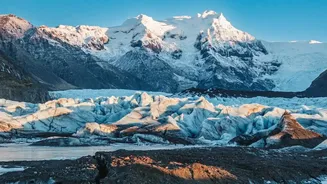
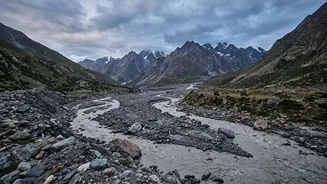
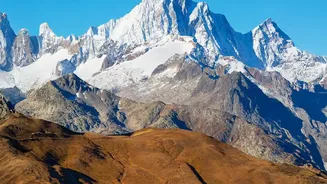
The Himalayas are warming at a rate nearly double the global average, a change that is visibly and dangerously reshaping the landscape. Glaciers, the region's iconic rivers of ice, are retreating at an accelerated pace. This isn't just an abstract environmental
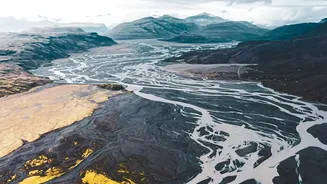
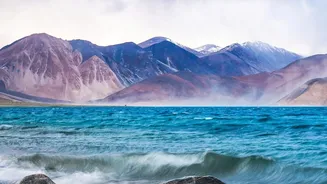
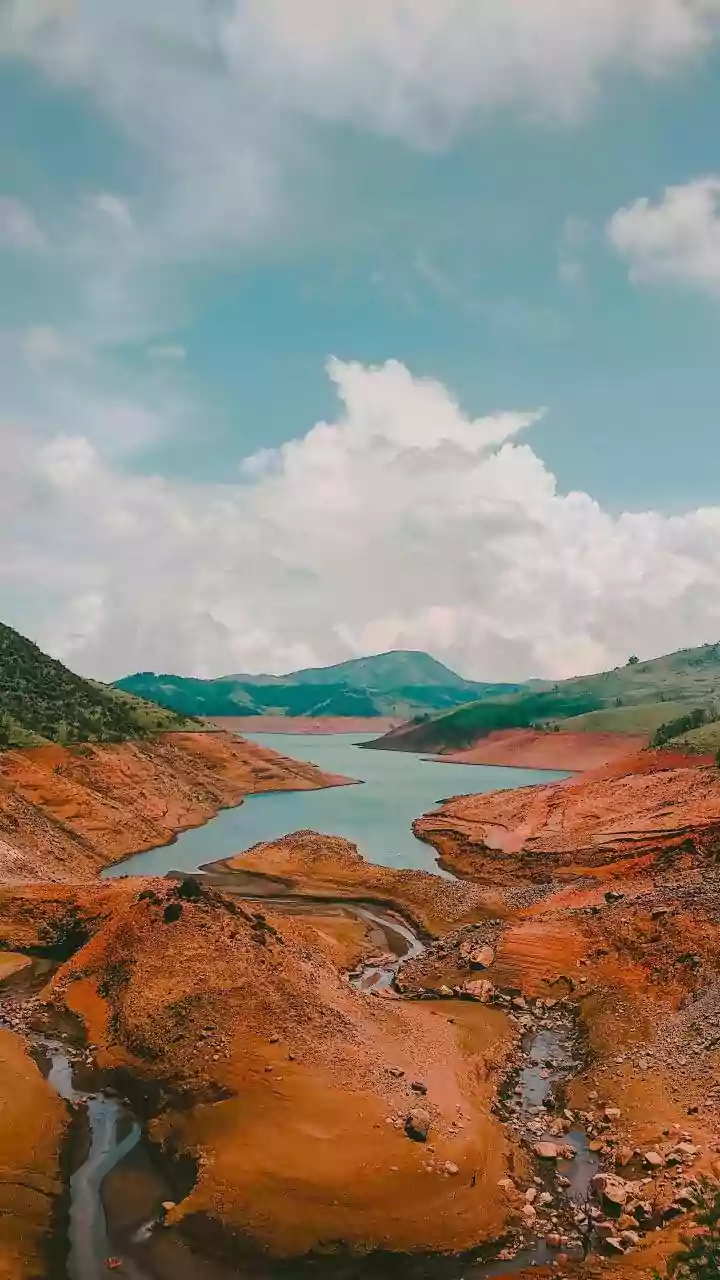
issue; it has direct consequences. As glaciers melt, they form vast lakes dammed by unstable piles of rock and debris called moraines. These moraine-dammed lakes are a growing threat. An earthquake, a major landslide, or even the pressure of the rising water itself can cause these natural dams to fail, unleashing what is known as a Glacial Lake Outburst Flood (GLOF). These events are not gradual; they are sudden, violent torrents of water, mud, and boulders that can devastate downstream valleys, wiping out bridges, roads, and villages with little to no warning.
From Predictable Seasons to Erratic Events
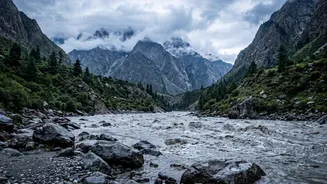
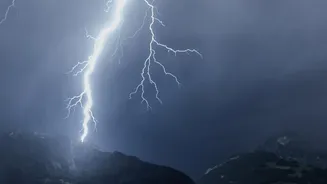
The traditional travel calendar, once a reliable guide for planning Himalayan expeditions, is becoming less certain. Climate change is disrupting weather patterns, leading to more frequent and intense extreme events. The monsoon season is becoming more erratic, with heavy rainfall pushing into what were once dry trekking months and causing devastating flash floods and landslides in states like Uttarakhand and Himachal Pradesh. These are not just seasonal storms; events like the 2025 floods in Dharali, Uttarakhand, were triggered by sudden surges of water and debris from high-altitude glacial areas, even without heavy local rainfall, pointing to a new and complex type of hazard. For travelers, this means previously safe routes can become treacherous overnight, and seasons once considered ideal for trekking now carry a higher degree of unpredictability and risk.
A New Itinerary of Risk
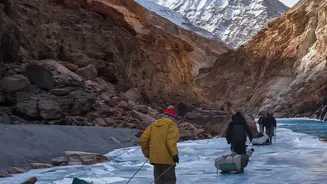
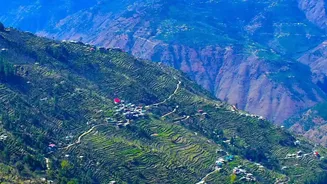
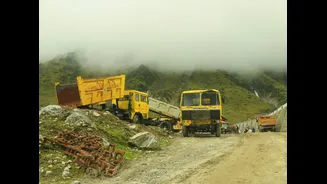
The practical implications for tourists and trekkers are profound. Trails that have been used for generations are becoming unstable. Treks that once involved crossing snowfields now traverse loose rock and scree, increasing the difficulty and danger. The accelerated melting destabilises slopes, making landslides and rockfalls more common, particularly on popular road corridors like those in Kinnaur, Kullu, and near the Char Dham routes. Water sources that trekkers have long relied upon are becoming unpredictable, with some springs drying up entirely. As a result, itineraries are changing. Trekking seasons are being re-evaluated, some routes are being rerouted, and certain areas are now considered high-risk, especially during periods of intense rainfall or rapid snowmelt.
The Industry's Cautious Adaptation
The local tourism industry, from guides to hotel owners, is on the front lines of this change. Many are adapting out of necessity, becoming crucial sources of real-time information on safety. Authorities and tour operators are increasingly urging caution. Advisories to check weather and road conditions before travel are now standard practice for those heading to mountainous districts. There is a growing push for more sustainable tourism that accounts for the region's increased fragility. This includes better regulation, promoting travel in less-crowded seasons, and investing in early warning systems for floods and landslides. Some operators are building extra 'buffer days' into itineraries to account for potential road closures and are advising travelers to hire local drivers who are more experienced with the treacherous conditions.
The Aware Traveller's New Checklist
For anyone planning a trip to the Himalayas today, awareness is the most critical piece of gear. This means shifting the mindset from conquering a peak to respecting a volatile environment. The new checklist for a Himalayan traveler involves more than just packing warm clothes. It means rigorously checking IMD forecasts and local advisories before and during the trip. It means choosing reputable tour operators who prioritize safety and have contingency plans. It involves being flexible, understanding that a landslide might block a road for days and that an itinerary might need to change instantly. It also means avoiding unnecessary risks, like driving on mountain roads at night during a downpour or venturing into swollen rivers. This enhanced awareness isn't about discouraging travel; it's about ensuring that it remains possible, safe, and responsible in a new and challenging era.