





Just How Dry Was It?
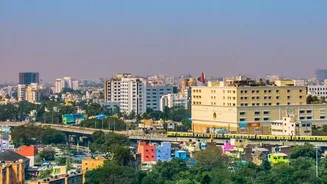
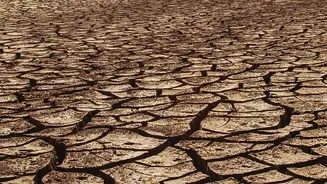
The numbers confirm what residents felt: July was exceptionally dry. The India Meteorological Department's (IMD) city observatory recorded just 23mm of rainfall for the entire month. This figure is dramatically lower than the typical average of over 110mm
for July. In fact, it marked the second-driest July in Bengaluru in the last 108 years, with the only drier instance being back in 1918. While the city started the monsoon season with a surplus thanks to pre-monsoon showers, the prolonged dry spell in July created a significant deficit. For the South Interior Karnataka region, which includes Bengaluru, the rainfall deficit for June and July stood at 36%.
The Meteorological Story Behind the Scarcity
So, where was the rain? According to meteorologists, the culprit was the absence of strong, favourable weather systems. The offshore trough along the west coast, a key driver of monsoon rains in the peninsula, remained weak and inactive for most of the month. Additionally, the strong westerly winds that typically bring moisture-laden clouds from the Arabian Sea were feeble. Without these systems to trigger widespread showers, Bengaluru was left with sunny days and summer-like temperatures, even as other parts of the country experienced floods. Experts also point to the influence of the El Niño phenomenon, which was forecast to lead to a poorer monsoon season overall.
The Ripple Effect on a Thirsty City
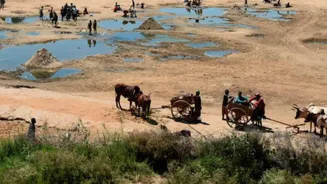
A dry July has immediate and serious consequences for Bengaluru's water security. The city is heavily dependent on the Cauvery river, and the lack of rain in the catchment areas meant that inflow into key reservoirs like the Krishnaraja Sagar (KRS) was alarmingly low. As of late July, the KRS dam held only about 35% of its maximum capacity. This situation prompted the Bangalore Water Supply and Sewerage Board (BWSSB) to warn that the city might face a drinking water shortage in five to six months if the region does not receive adequate rainfall soon. The dry spell also led to a surge in demand for water tankers, particularly in areas not fully covered by the Cauvery network.
A Tale of Two Monsoons: National vs. Local
Bengaluru's situation is a powerful lesson in meteorological scale. While headlines might speak of a "normal" or "near-normal" monsoon for India as a whole, this is a statistical average that masks huge regional variations. The southwest monsoon is not a uniform blanket of rain that covers the entire country equally. It is a complex system influenced by multiple local and global factors. In July 2026, while systems were bringing heavy rain to parts of western and central India, the southern peninsula was left largely dry. This discrepancy shows that relying solely on the national forecast can create a false sense of security. For water planning and daily life, city-specific and regional forecasts are far more critical.
What to Expect and How to Prepare
The first few days of August brought some relief, with heavy rainfall in the Cauvery catchment areas of Kodagu and Kerala, leading to a rise in reservoir inflows. This allowed Karnataka to release water downstream, easing immediate tensions. However, forecasters remain cautious. The IMD has predicted that rainfall for August and September may be below normal. While a few active spells are expected, the broader trend could remain weak. In response to the dry conditions, authorities have already reintroduced water conservation measures, banning the use of drinking water for non-essential purposes like washing cars and construction. For residents, this serves as a reminder that water conservation cannot be a seasonal habit; it must be a year-round commitment, especially when the monsoon's performance is so unpredictable.