


Meghalaya: The Abode of Clouds
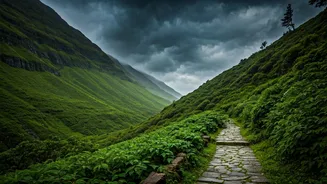
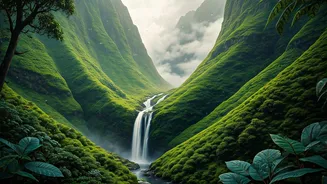
Nowhere embraces the rain quite like Meghalaya. Home to Mawsynram and Cherrapunji, two of the wettest places on Earth, this northeastern state is a spectacle of monsoon magic. The name itself means "abode of clouds," and during the rainy season, you'll
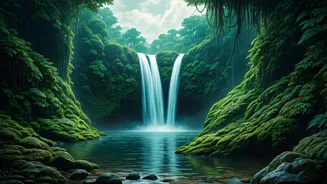
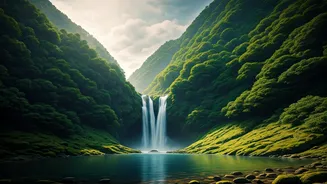
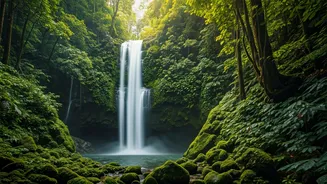
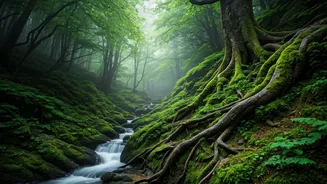
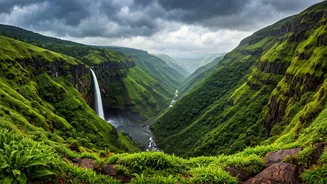
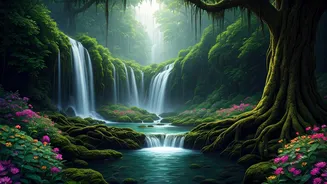
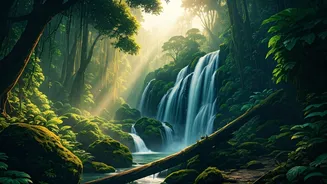
understand why. Hills are blanketed in a vibrant, impossible green, waterfalls like Nohkalikai and the Seven Sisters Falls thunder with breathtaking force, and mist clings to the valleys, creating an ethereal atmosphere. This is the best time to see the famous living root bridges, masterpieces of bio-engineering woven from the roots of rubber fig trees by the Khasi people. Shrouded in mist and slick with rain, they feel like portals to another world, far from the typical tourist trail.
Valley of Flowers, Uttarakhand: A Himalayan Carpet
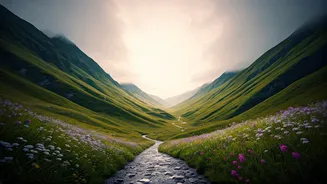
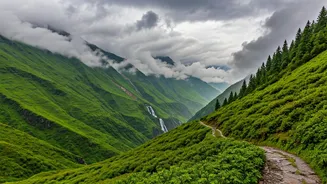
For a few short months, a high-altitude Himalayan valley becomes one of nature's most exclusive art shows. The Valley of Flowers National Park, a UNESCO World Heritage Site, is largely inaccessible during the winter. But as the monsoon showers arrive in July and August, the entire valley floor explodes into a carpet of over 300 species of alpine flowers. Think wild geraniums, potentillas, and the elusive blue poppy. The rain feeds this bloom, keeping the colors vibrant and the air crisp and clean. Trekking here during the monsoon isn't just a hike; it's a pilgrimage into a landscape painted with colors you have to see to believe, all framed by snow-dusted peaks that play peekaboo through the clouds.
Orchha, Madhya Pradesh: Palaces in the Green
While most travelers flock to the desert forts of Rajasthan, the lesser-known town of Orchha in central India offers a different kind of royal experience during the monsoon. The name means "hidden place," and it lives up to it. The magnificent collection of 16th-century palaces, temples, and cenotaphs (chhatris) stands on the banks of the Betwa River. During the rains, the dry, scrubby landscape transforms into a sea of lush greenery. The weathered grey stone of the ancient architecture creates a stunning contrast against the vibrant emerald backdrop. The river, once placid, swells into a powerful current, and the sound of rain drumming on ancient domes is a uniquely meditative experience. It's history, but alive and breathing with the season.
Coorg, Karnataka: The Misty Coffee Kingdom
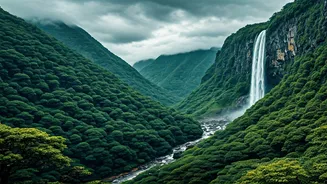
Dubbed the "Scotland of India," the hill station of Coorg (Kodagu) in the Western Ghats is a sensory delight during the monsoon. This is the heart of India's coffee country, and the rainy season is when the plantations are at their most beautiful—a rolling expanse of deep green, shrouded in a perpetual, romantic mist. The air is thick with the smell of wet earth, spices, and blossoming coffee flowers. Waterfalls like Abbey Falls and Iruppu Falls, which are mere trickles in the dry season, become roaring cascades. It's the perfect place to curl up in a cozy homestay with a cup of locally grown coffee, listen to the downpour, and watch the clouds drift through the hillsides right outside your window.
Bhandardara, Maharashtra: A Lakeside Retreat
A quiet weekend getaway for Mumbaikars, Bhandardara remains largely off the international tourist map, making it a true rainy-season gem. Nestled in the Sahyadri mountain range, this small resort village is built around the serene Arthur Lake, formed by the Wilson Dam. When the monsoon hits, the entire region comes alive. The dam's sluice gates open to release a torrent of water, creating a spectacular sight known as the "umbrella falls." Nearby, the Randha Falls plunge dramatically into a gorge. The hillsides are covered in countless rivulets and smaller waterfalls, and the entire landscape feels fresh and rejuvenated. It's an idyllic escape focused purely on the raw, restorative power of water and nature.