



First Step: Securing Your Permit
Before you even pack your bags, every Indian citizen who is not a resident of Arunachal Pradesh needs an Inner Line Permit (ILP). This is a mandatory travel document. The good news is, getting one is now a straightforward online process. You can apply
through the official government portal (eilp.arunachal.gov.in) by uploading a photo ID like an Aadhaar card and a passport-sized photograph. The fee is nominal, typically around ₹300 to ₹500, and approval is often granted the same day. Make sure to list all the districts you plan to visit on your application, such as Tawang, Ziro, or West Kameng. A digital copy on your phone is usually sufficient at check posts, but carrying a printout is a wise backup.
Getting Around Without Breaking the Bank
Private taxis can quickly drain your funds in the mountains. The key to budget travel in Arunachal is embracing public transport. Shared Sumos (jeeps) are the lifeline of local travel, connecting major towns like Guwahati to Bomdila, Dirang, Tawang, and Ziro. A long-distance ride, for instance from Tezpur to Tawang, can cost between ₹500 and ₹700. Shorter legs, like Bomdila to Dirang, are even cheaper. State-run buses are another economical option, though they might be slower. To save money, plan your routes in legs, travel during the day, and be prepared to share your ride with locals. This not only cuts costs but also offers a more authentic travel experience.
Accommodation: Homestays are Your Best Friend
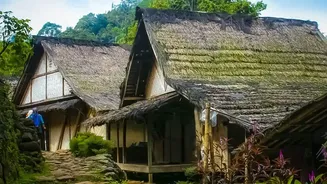
Forget expensive hotels. The heart of Arunachal's hospitality lies in its network of family-run homestays and guesthouses. In popular areas like Tawang, Ziro, and Dirang, you can find clean and safe homestays for as little as ₹800 to ₹1500 per night. These stays not only provide an affordable roof over your head but also an invaluable cultural connection. Hosts are often a great source of local information and can offer delicious, home-cooked meals at a fraction of restaurant prices. In places like Ziro Valley, staying in an Apatani village homestay is an experience in itself.
Eating Smart and Cheap
To keep your food budget in check, eat where the locals eat. Roadside dhabas and small eateries serve steaming plates of momos, thukpa (noodle soup), and rice dishes for very low prices, often under ₹150 for a full meal. This is far more economical than dining at tourist-centric restaurants. Exploring local markets also gives you a chance to try regional snacks and fresh fruit. Always carry some cash, as digital payments may not be available in more remote areas.
Choosing Your Budget-Friendly Trails
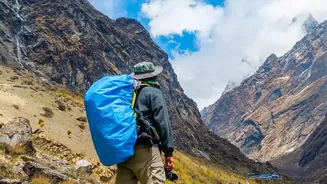
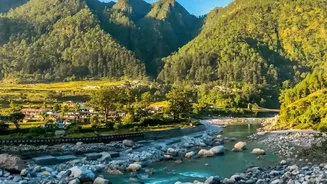
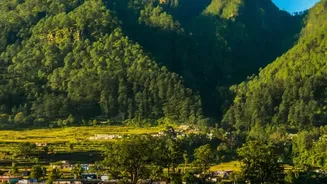
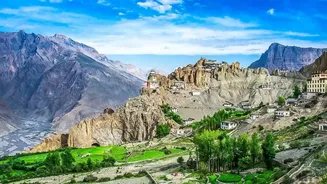
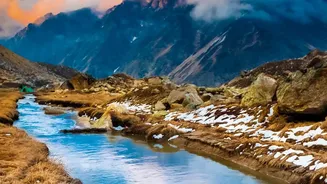
Arunachal is a trekker's paradise, and many of its most beautiful trails don't require expensive guides or equipment. The Ziro Valley trek is an excellent option for beginners, offering stunning views of paddy fields and interaction with the Apatani tribe. The trails around Tawang, leading to sights like Madhuri Lake, can often be done by hiring a shared vehicle with other travellers to split the cost, which can be around ₹500 per person. For those seeking more solitude, the trek through the Talley Valley Wildlife Sanctuary offers a deep dive into pristine wilderness without the high costs of more commercialised trekking circuits. The beauty of many trails is that the main attractions—the valleys, lakes, and mountain passes like Sela Pass—have no entry fees.
A Sample Daily Budget
So, what does a day on a backpacker's budget look like? You can comfortably manage your expenses within ₹1500-₹2000 per day. A rough breakdown would be: Accommodation in a homestay (₹800-₹1000), three local meals (₹300-₹500), and short-distance shared transport or miscellaneous costs (₹200-₹500). Long-distance travel days will cost more, but on days when you are exploring a single area on foot, your expenses will be significantly lower. This makes a week-long trip highly achievable for around ₹15,000, excluding initial travel to the region.