







The Gut-Brain Superhighway
Think of your gut and brain as being in constant conversation. This communication network is called the gut-brain axis. It’s a two-way street, but surprisingly, most of the messages travel from the gut to the brain. This dialogue happens through the nervous
system—especially the vagus nerve—as well as through hormones and other chemical messengers produced in the digestive tract. Your gut is even called the "second brain" because it produces many of the same mood-regulating neurotransmitters as the brain itself, including over 90% of your body's serotonin, the 'happy chemical'. When your gut is healthy and balanced, it sends positive signals. But when it's out of balance, it can contribute to feelings of anxiety, low mood, and brain fog.
Probiotics: Your Gut's Friendly Residents
Probiotics are the 'good' live bacteria that reside in your gut and provide health benefits. These beneficial microbes are essential for a healthy digestive system, but their job doesn’t stop there. They help maintain the lining of your intestines, support your immune system, and play a crucial role in producing those vital neurotransmitters. A gut environment rich in beneficial bacteria like Lactobacillus and Bifidobacterium is linked to better emotional balance and a reduction in anxiety and depression symptoms. You can find these friendly bacteria in fermented foods. In India, this includes staples like dahi (curd), chaas (buttermilk), and the fermented batters used for idli and dosa. Traditional pickles (achaar) and kanji, a fermented carrot drink, are also excellent sources.
Fermentable Fiber: Fuel for the Good Guys
If probiotics are the friendly residents, fermentable fiber is their favourite food. Also known as prebiotics, these specific types of fiber can't be digested by your body. Instead, they travel to the gut where they are fermented by your beneficial bacteria. This feeding process allows the good bacteria to thrive and multiply. As they feast on fiber, they produce powerful compounds called short-chain fatty acids (SCFAs). These SCFAs are star players in the gut-brain connection. They help strengthen the gut wall, reduce inflammation throughout the body, and can even travel to the brain, where they have neuroprotective effects that support mood and cognitive function.
From Gut Balance to Mental Focus
So, how does this all translate to better focus and mood? When you eat a diet rich in both probiotics and fermentable fiber, you create a positive cycle. The probiotics populate your gut, and the fiber feeds them. This well-fed and balanced microbiome produces more SCFAs and helps regulate the production of neurotransmitters like serotonin. For instance, gut bacteria play a key role in managing tryptophan, the amino acid your body uses to make serotonin. A fiber-rich diet helps ensure tryptophan is used for this purpose, rather than being converted into inflammatory compounds. This combination of reduced inflammation, a stronger gut barrier, and optimized neurotransmitter production leads to clearer thinking, a more stable mood, and better resilience to stress.
Putting It on Your Plate
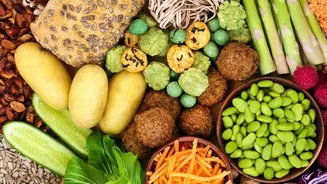
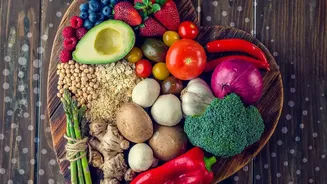
Incorporating these foods into your diet is simpler than it sounds and aligns well with traditional Indian eating habits. For probiotics, aim for a daily serving of homemade dahi or a glass of chaas. Including dishes like idli, dosa, or dhokla in your breakfast rotation also helps. For fermentable fiber, focus on a variety of plant-based foods. Onions, garlic, and bananas are excellent prebiotic sources. Millets like jowar and bajra, along with pulses and legumes such as moong dal, chana, and rajma, are packed with the right kind of fiber to feed your gut microbes. A colourful variety of vegetables, from bhindi (okra) to palak (spinach), ensures a diverse intake of fibers to support a resilient and healthy gut ecosystem.