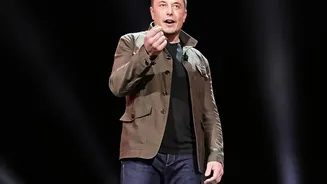


Elon Musk, a figure synonymous with disruptive technology and headline-making moves, is reportedly spending hundreds of millions in the 2026 US midterm elections. But this American political power play is raising unexpected questions half a world away
in India.
An Unprecedented Level of Spending
As the 2026 US midterm elections enter their final stretch, Elon Musk has emerged as the single largest individual donor. Reports based on Federal Election Commission data indicate that the head of Tesla and SpaceX has contributed over $446 million to various Republican-aligned super PACs and committees. This massive sum is intended to help the party in highly contested races for the House and Senate. Super PACs are a feature of US election finance that can accept unlimited donations, as long as they do not coordinate their spending directly with a candidate's official campaign. Musk's spending, directed heavily towards groups like the Senate Leadership Fund, represents one of the largest political donations in American history and has firmly placed him at the center of the political conversation.
The Indian Legal Framework
So, why does an American citizen's spending in an American election stir debate in India? The answer lies in India's own laws designed to insulate its political process from foreign influence. The primary law in question is the Foreign Contribution (Regulation) Act, or FCRA. Enforced by the Ministry of Home Affairs, the FCRA governs how Indian individuals, associations, and companies can receive funds from foreign sources. Its stated purpose is to prohibit the acceptance and use of foreign contributions for any activities 'detrimental to the national interest'. Specifically, the law bars certain groups and individuals—including political parties, candidates for election, judges, and media persons—from receiving any foreign contributions at all. Separately, the Representation of the People Act, 1951, which governs the conduct of elections, also includes prohibitions on donations from foreign sources to political parties.
Does the Law Apply to Musk?
On a direct, personal level, the answer is no. Elon Musk is not an Indian citizen, and the FCRA is primarily designed to regulate the receipt of foreign funds by Indian entities and individuals, not the actions of foreign nationals in their own countries. US federal law itself prohibits foreign nationals from contributing to American elections, a rule Musk does not violate as a US citizen. However, the conversation becomes more nuanced when considering his vast and growing business interests in India. His companies, like Tesla and SpaceX's Starlink, are either operating or actively seeking deeper market access in India. These companies, to operate in India, must exist as Indian entities or have a registered presence, making them subject to Indian law. While the FCRA regulates incoming funds, the spirit of the law is to prevent foreign influence over India's democratic and policy spheres. Musk's high-stakes political manoeuvres in the US, combined with his public spats with Indian business figures and government officials over market entry for Starlink, create a complex picture. Regulators may not have a legal case against Musk personally for his US donations, but his actions could increase scrutiny on his businesses' compliance and lobbying efforts within India.
The Bigger Picture for India
The real story isn't about a potential lawsuit against Musk, but about the precedent it sets. Musk's aggressive push to launch Starlink in India has seen him publicly accuse Indian 'oligarchs' of blocking his entry and appeal directly to the government. Starlink has already invested significantly in ground infrastructure in India and tailored its systems to meet local security requirements. For a global CEO with such substantial commercial interests pending before the Indian government, becoming the top political donor for one party in the US is a powerful statement. It highlights a potential conflict zone for policymakers: how do you regulate a company whose chief executive wields immense financial power to shape political outcomes abroad, especially when those outcomes could influence US foreign and trade policy towards India? The questions sparked by Musk’s spending are less about legal culpability and more about the delicate balance between attracting foreign investment and safeguarding national sovereignty from powerful global actors.